
Some notes about Korean cuisine
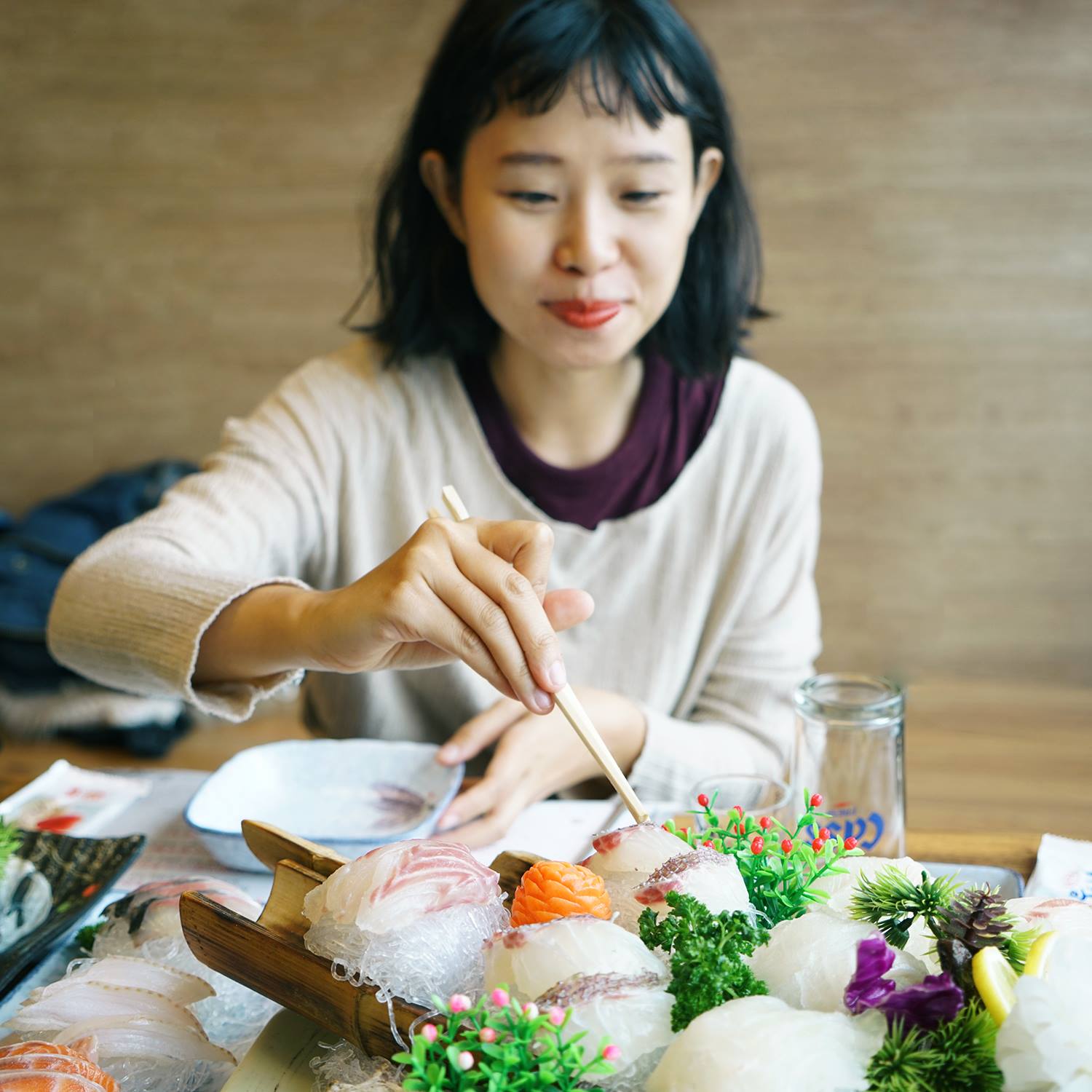 Thanks to the luxury travel to Korea, I have learned a lot of interesting and surprising things about the cuisine here that I must have not discovered with the normal way of travel. Like most Asian countries, the main food is white rice – a product of wet rice agriculture, and typical seasonings like ginger, turmeric, garlic, chili, soy sauce, fish sauce, oyster oil, soy sauce, and fish sauce, etc. But compared to other Asian countries, Korea has a rich food source thanks to its geographical position: It has both mountains and sea and 4-season climate. We can easily find peaches, pears, apricots, plums, persimmons, chestnuts, walnuts, pine nuts … on the mountains and many kinds of fish, shrimp, crabs, and many kinds of seafood … in the sea to process various colorful and flavorful dishes. Besides, I was really impressed by the deliciousness and variety of banchan (side dishes). In the simplest meal, besides rice, soup, kimchi, there must be 3 side dishes, which are cooked vegetables, raw vegetables and grilled dishes. In the old days, in the parties of Kings, Queens, and royal guests, the side dishes are raw fish, vegetables marinated in soy sauce, 3 types of soy sauce, 3 types of hotpot, braised dishes.
But the most striking feature that Korean cuisine is remembered for in a different way is kimchi. As you know, kimchi is the common name for fermented vegetables, which cannot be absent in Korean meals, especially in winter when it is not always possible to buy fresh vegetables. Kimchi is so important to Koreans that there is a proverb here: “As a man, you can live without a wife, not without kimchi”. Many countries around the world are good at processing fermented vegetables, but not all the countries can turn them into food “ambassadors”.
The Korean way of preparing food also gives me a sense of standards. Their dishes always have a balance between colors, flavors, and yin-yang, which is a similarity to Vietnamese cuisine that I personally attach great importance to. Besides, the most favorite thing I learned from Koreans is how to prepare delicate food so that the food is not boring, very flavorful, but still retains the fresh taste of the ingredients. Take the example of namul for you to understand. Namul is a seasonal salad that is mixed into a salad or fried, made from any vegetables, roots, leaves you can find. What matters is how to make a dish of namul very beautiful, keep the vegetables’ crunchiness but not make it too soft, how to season it to taste so that the seasonings enhance the sweetness of the vegetables.
Korean society attaches great importance to hierarchy and order, so there are many principles on the table. Eating with Koreans is like an educational social etiquette, not just eating and drinking. So it is easy to understand when the way of arranging dishes on the Korean table is also very picky. Rice bowls, soup bowls, spoons, chopsticks all have their own positions. Thanks to the local guide, I understand more about the Korean way of eating: on the table with many people, who will be the first to eat, when offering wine, people also have to look back and forth, not just drink and offer wine to your liking, and what to pick when there are many dishes on the table, etc.
During my days in Korea, I had the opportunity to experience a lot of delicious food, listen to many interesting stories and learn more interesting information about Korean cuisine. To a food lover, every meal is a gift, so I love every dish so much, but if I need to choose 3 dishes that you cannot miss, I will recommend hanu beef at Bamboo restaurant House (Seoul), Jeju black pork and Busan snow crab.
(The article was published on the “Korea Luxury Travel Guide” by Wanderlust Tips magazine and Korea Tourism Organization)

Photo: Nhi Dang
|
|
|