Entrepreneur Kim Oanh – Every Dish Carries a Story
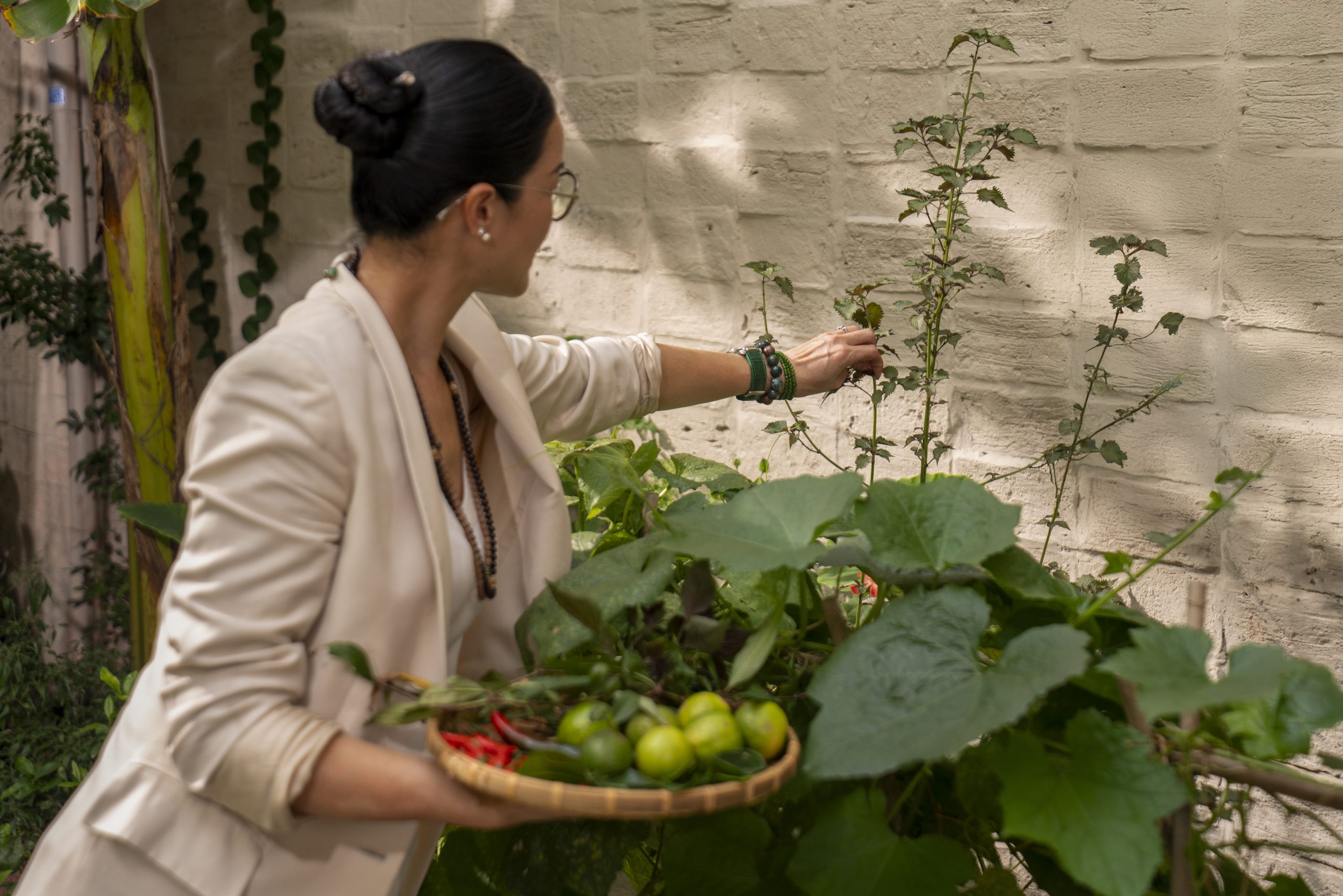
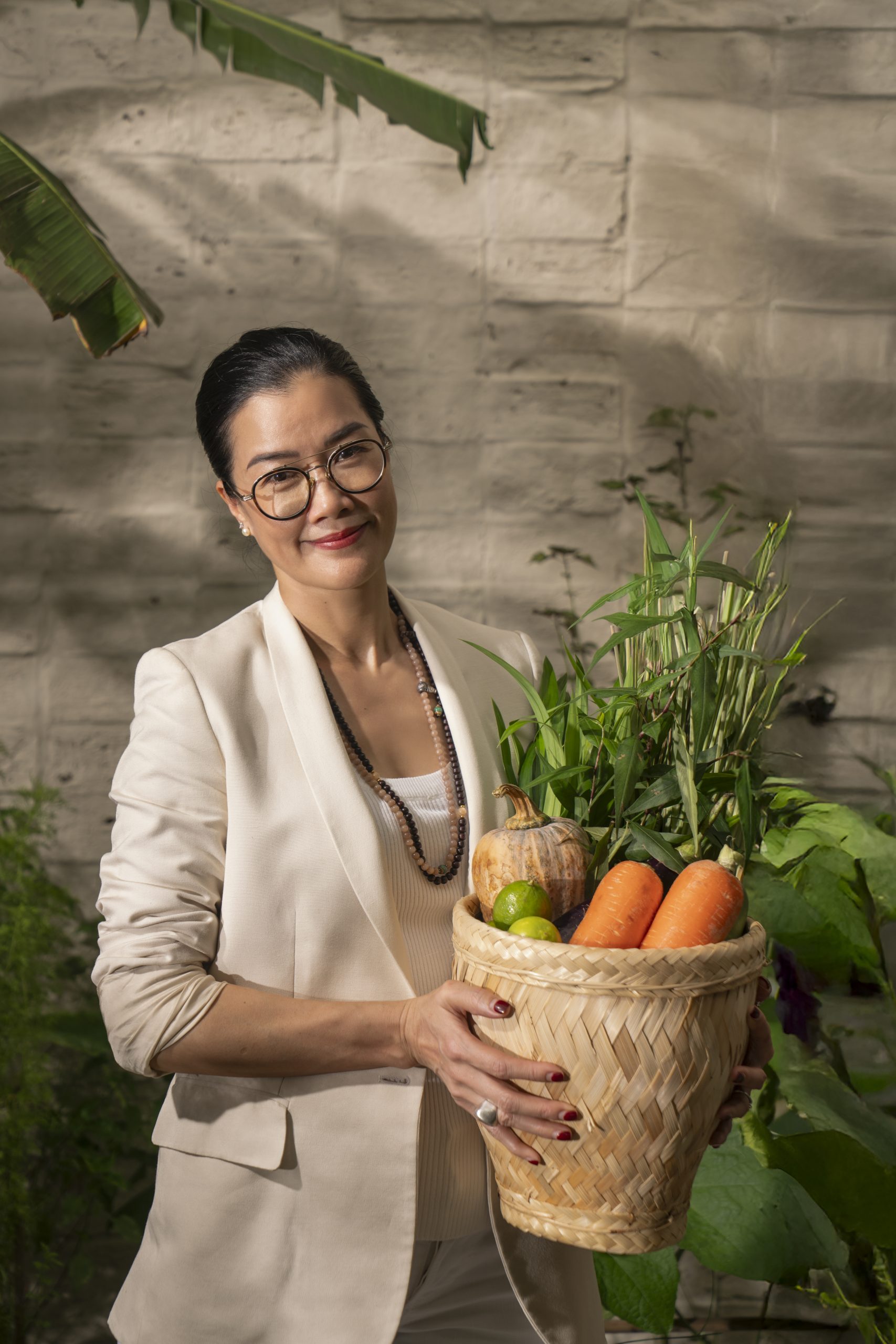
We once had dinner at Kim Oanh’s home, and her kitchen has stayed vividly in my mind ever since, despite the years that have passed. Inside that space, the kitchen island, pots, pans, and decorative objects were arranged with the precision of something suspended between science and art. The dishes she placed on the table were not only beautiful and delicious, but each seemed to conceal a story waiting to be told. Kim Oanh’s life moves with that same rhythm: disciplined yet unrestrained, as though a quiet river were flowing steadily within her.
Every Dish Carries a Story
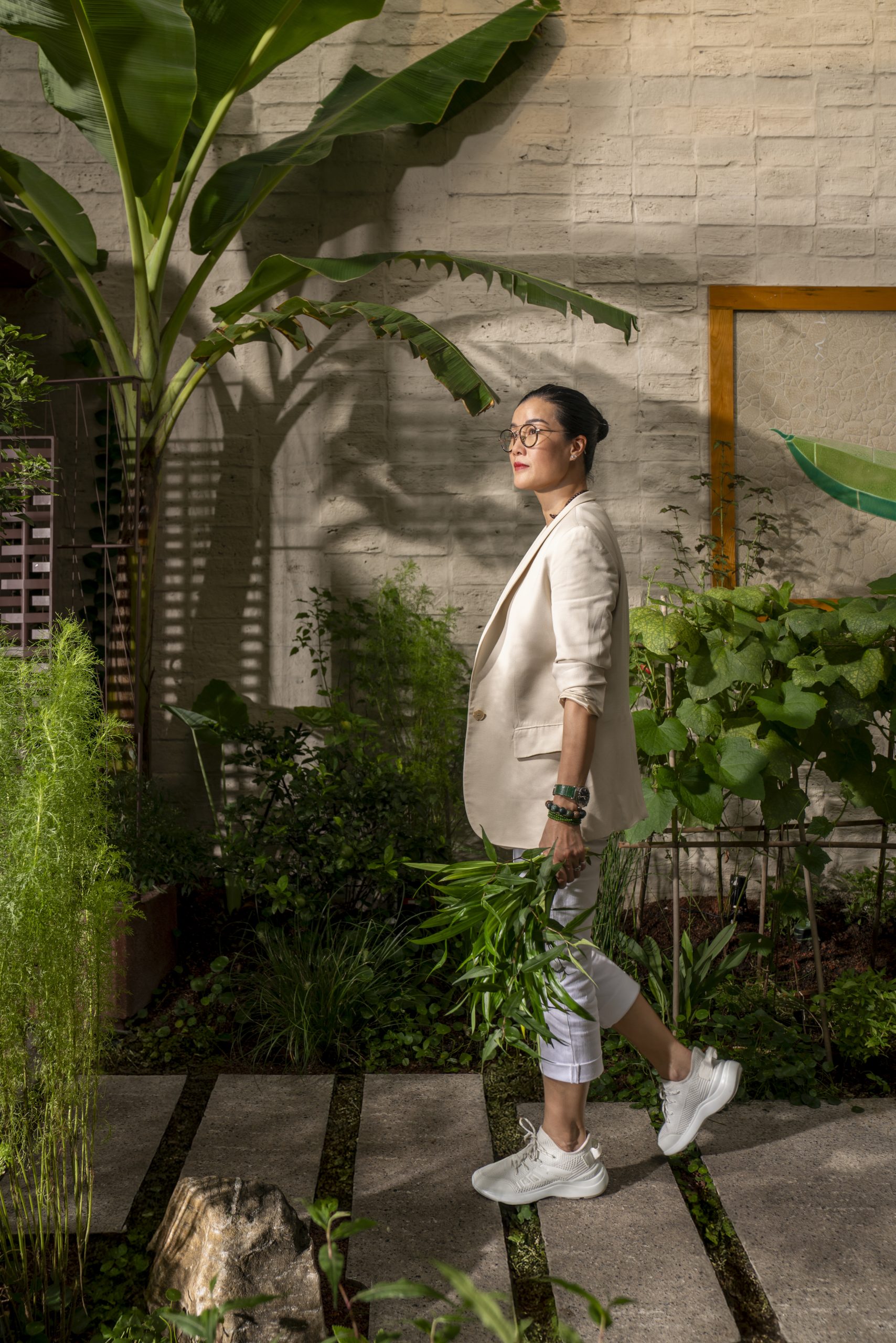
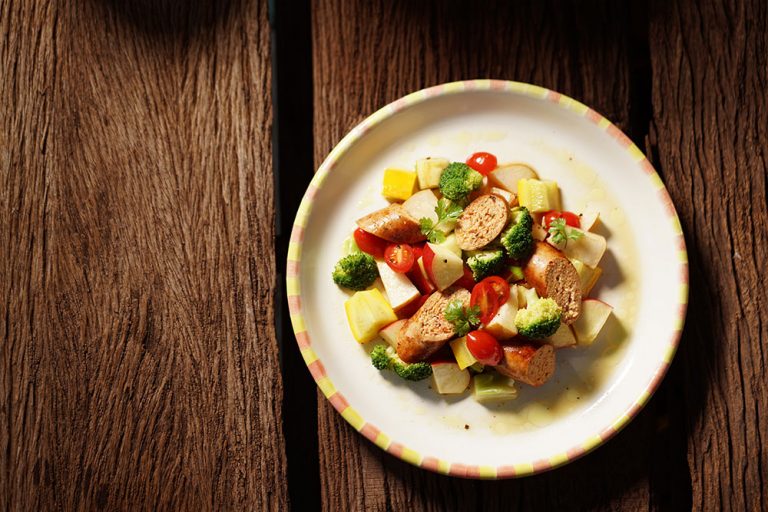
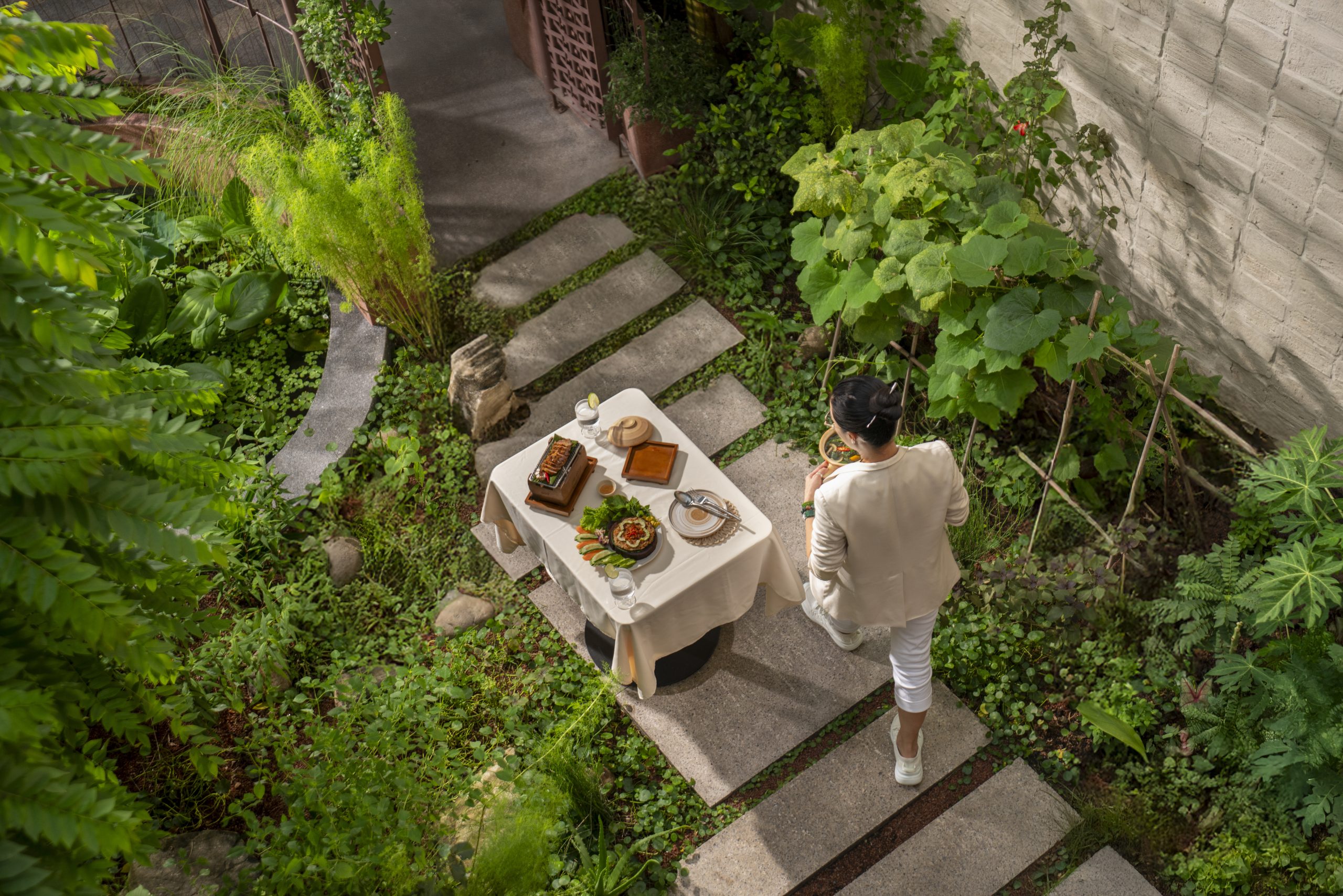
What I admire most is that every dish she makes is tied to a story — of a person, or of a particular place. For Kim Oanh, food has never been a casual indulgence. It is her way of going deeper, of forming connections, of expressing gratitude for the encounters life has brought her. Delicious food is not rare, but dishes capable of moving people, of lingering in memory through the emotions they awaken, are far less common. Yet every meal Oanh prepares seems to carry that quality. This time, we shared dishes she had carefully gathered over three years of traveling along the lower Mekong: Lao bamboo soup, Cambodian grilled bò hóc fish paste, and roasted duck with fermented tofu from Vietnam’s Mekong Delta.
The next stop was Cambodia, home to bò hóc fish paste — a dish often considered the soul of Khmer cuisine. Made from river fish such as snakehead fish, mud carp, or gourami, fermented together with toasted rice powder, it develops a deeply distinctive aroma. Mixed with minced pork, lemongrass, galangal, ginger, and finely sliced kaffir lime leaves — harvested from a citrus tree native to Laos, Indonesia, Malaysia, and Thailand — then grilled over fire, it becomes an irresistibly fragrant dish.
A Mother, a Son, and Dreams That Continue Forward
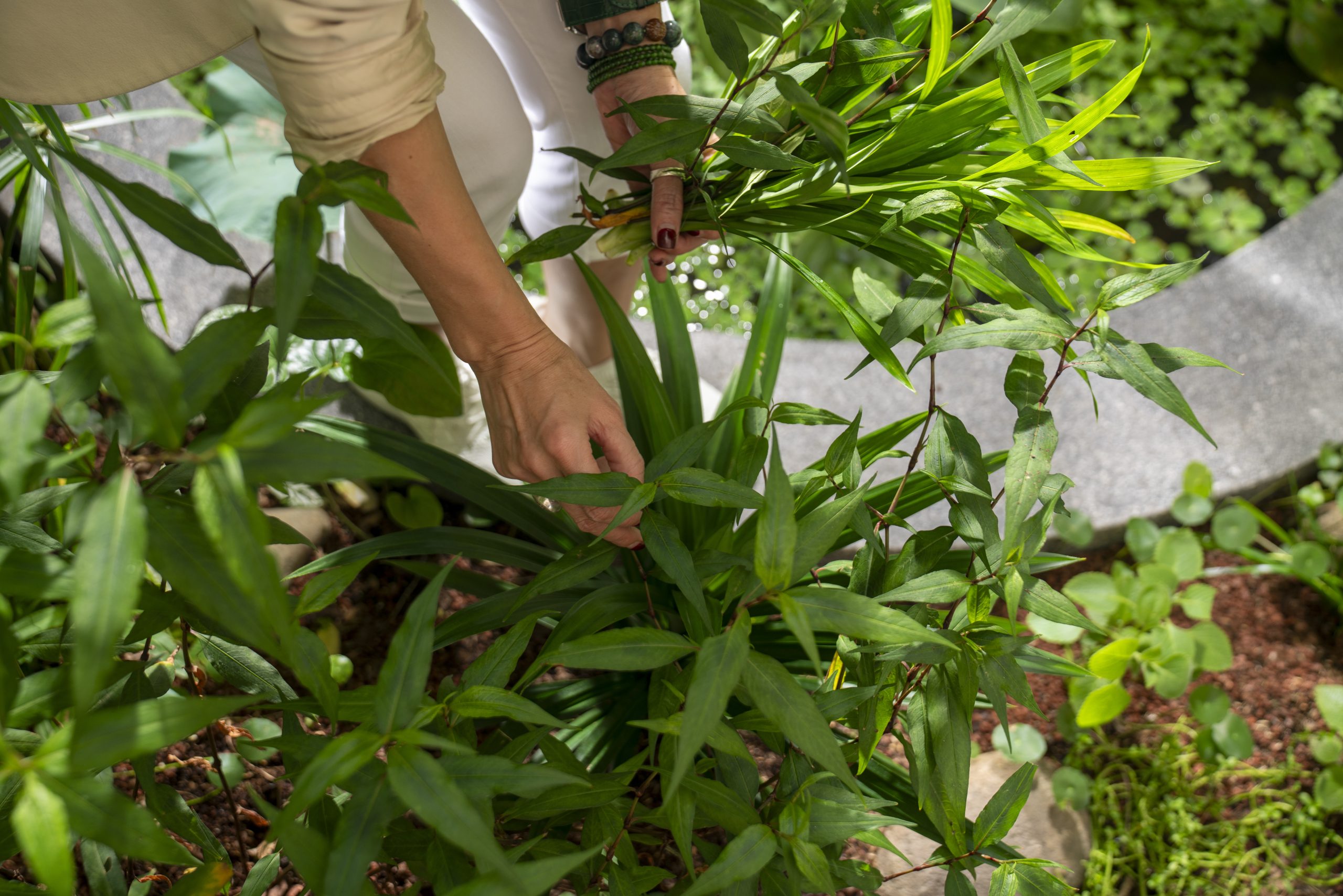
During the meal, Oanh shared that whenever she stands before a river or a still lake, she feels as though she is returning home. While researching the Mekong, she met Professor Trung Hoàng Trương, a scholar known for his extensive work on the lower Mekong region, who introduced her to the book The Last Days of the Mighty Mekong. Through it, she became acutely aware of the serious challenges facing the river — from climate change to the impact of upstream hydroelectric dams. That realization eventually led her back to the culinary world through her restaurant project, One River, conceived as a way of telling the story of the Mekong through the intertwined culinary cultures of Laos, Cambodia, and Vietnam.
For me, being able to meet Oanh, speak with her, and taste the food she prepares is a quiet form of happiness. Every encounter expands my understanding, deepens my sensitivity to the world, and reinforces my belief that women, at any age, can continue nurturing ambitions and transform them into realities of extraordinary romance.
Later, I learned that those beautifully shot films were made by Duy, her son. Oanh said one of her greatest blessings is that whenever she shares an idea, her only son listens attentively, empathizes, and thoughtfully offers his perspective. As a young filmmaker with a love for food, Duy joined his mother on the Mekong expedition as both a professional opportunity and a chance to immerse himself in the deeply human realities of life along the river. Though mother and son had traveled through many places together before, this long journey remained especially unforgettable. For Kim Oanh, seeing her son discover his own small joys throughout the trip made the experience even more meaningful.
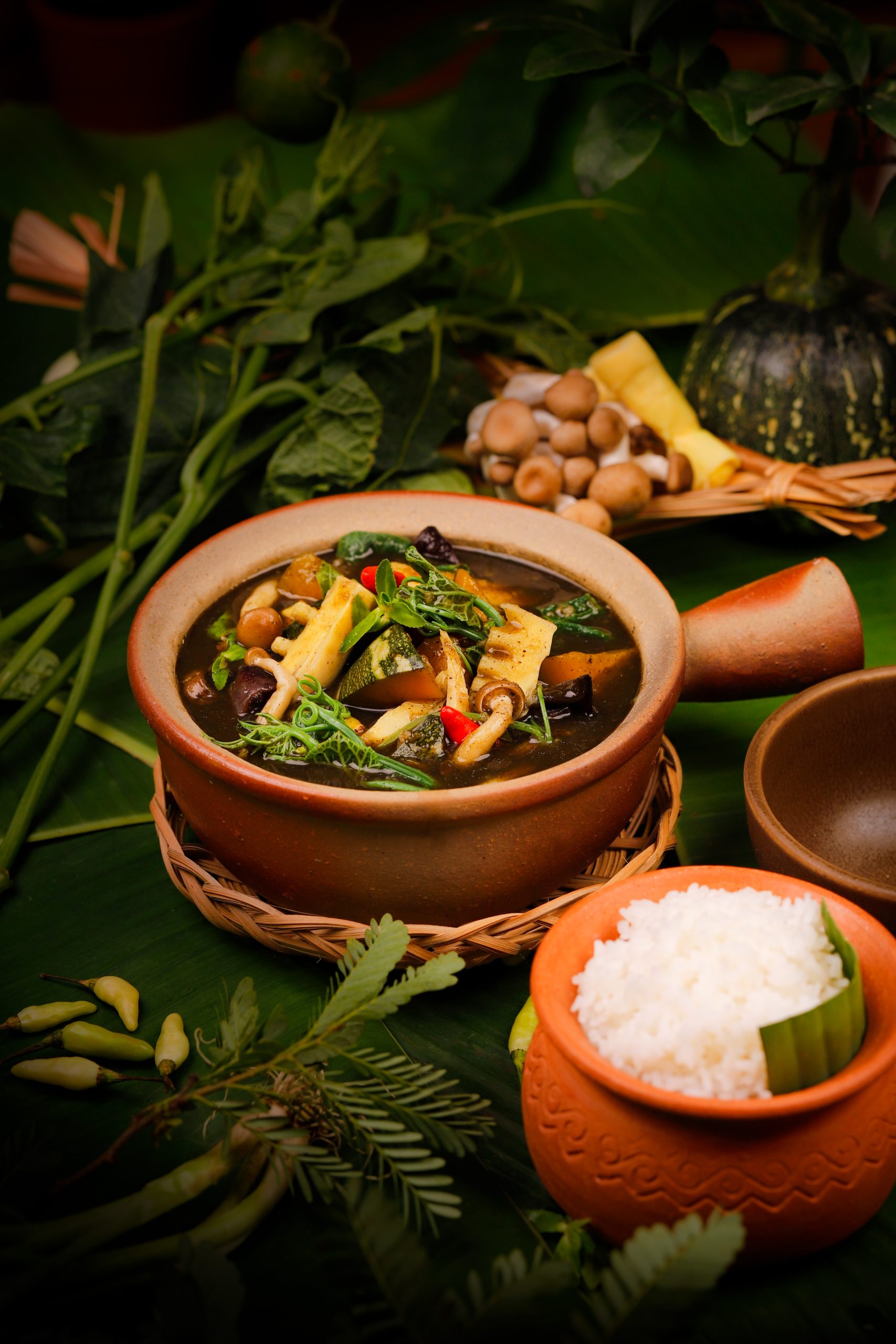
Lao Bamboo Soup
Ingredients
50g yanang leaves
5g lemongrass, bruised and cut into segments
500ml cold water
20g pumpkin
15g winter melon
5g wood ear mushrooms
50g bamboo shoots
5g lingzhi mushrooms
20g sponge gourd
20g chayote shoots
5g rice paddy herb
Diagonal slices of chili
Padek fish paste
Sugar
Fish sauce
Chicken seasoning powder
Glutinous rice flourMethod
Cut the pumpkin, winter melon, wood ear mushrooms, lingzhi mushrooms, bamboo shoots, sponge gourd, and chayote shoots into bite-sized pieces.
Roughly chop the yanang leaves, blend them with water, then strain the liquid.
Sauté the lemongrass in a little cooking oil until fragrant, then pour in the yanang leaf extract and bring to a boil.
Add the pumpkin, winter melon, wood ear mushrooms, lingzhi mushrooms, bamboo shoots, sponge gourd, and chayote shoots. Season to taste and simmer for about 5 minutes, just until the vegetables are tender.
Finish with rice paddy herb and sliced chili before serving.
Published in Đẹp Magazine, Issue No. 304
Words and Images: Nhà Có Hai Người
Production Assistant: Ni Nguyễn