Chef Thùy Dung – Far From Home, Missing the Family Table
As the head chef of Miên Saigon, Thùy Dung spends each day experimenting, searching, and combining ingredients to create flavors that feel fresh and vibrant. Yet beneath all the innovation, what she continues to long for most is the familiar aroma of her family kitchen — a place filled with simple, steaming meals made with love. The sound of rice simmering and the fragrance of freshly cooked grains, woven into her childhood memories, have now become emotional sustenance for a daughter living far from home.

Missing the Aroma of Freshly Cooked Rice
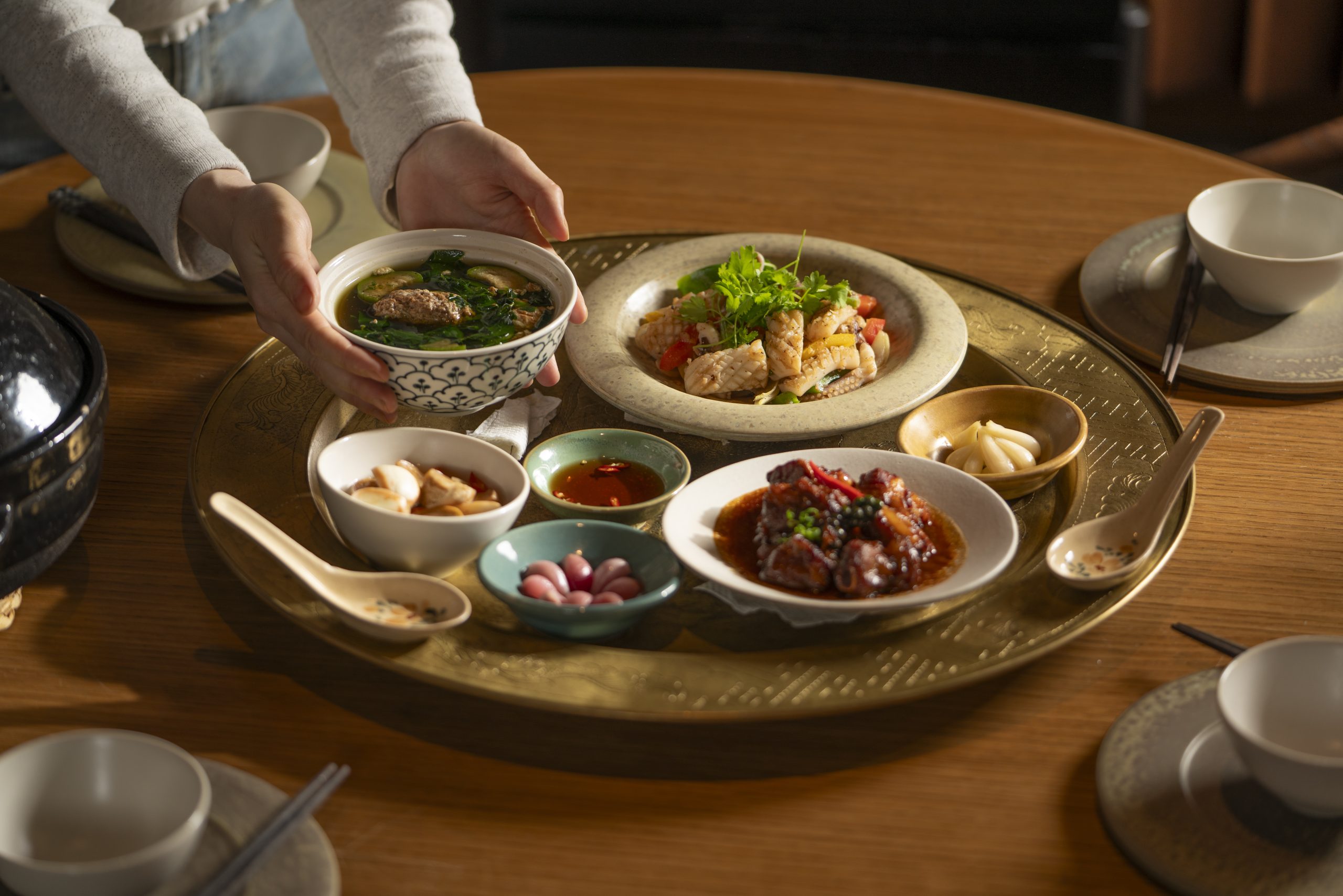
“Living in the city, it’s rare to properly cook a full meal for yourself,” Dung said. Our conversation that day revolved almost entirely around family meals. Because for a chef living far from home, despite preparing countless beautiful dishes for guests every day, what she misses most is still the scent of rice cooking and the sight of a home meal complete with rice, meat, fish, soup, and vegetables. In her hometown of Bảo Lộc, fresh greens are abundant, so every meal came with vegetables in generous portions. Her family also grew rice, allowing her to experience the entire journey of a grain — from the scent of young rice fields to the softness of a freshly steamed bowl.
Thùy Dung shared that her grandfather was an excellent cook. Her parents, too, loved taking turns in the kitchen, carefully tending to each dish. At home, no one would begin eating until every family member had gathered around the table. What she remembers most vividly is that atmosphere of togetherness — people passing food to one another, a simple gesture that carried immense affection.
In the book “Món yêu thương” (roughly translate: Meals Made with Love), there is a passage that roughly says: “In memories of family, food is the most powerful vessel. My memories begin with food, and they leave through food as well. For years, I have grown used to sharing rented apartments with others — occasionally crossing paths, but mostly remaining alone in my room like a frog at the bottom of a well, clinging to dreams as motivation to move forward… When the hunger becomes unbearable, all I want is a bowl of steaming rice with a little minced meat. This is truly the final fortress a lonely person builds with food when facing the loneliness of the world, using recipes from a distant homeland to force homesick tears to flow like spring water.” Perhaps no sentiment captures Thùy Dung more accurately than this.
Women and Their Choices
There is, perhaps, an endless amount to say about women, kitchens, and the choices women make in contemporary society. Cultural anthropologist Nir Avieli once argued that, in the past, the kitchen existed at the boundary between “nature” and “culture” — a place where women transformed raw ingredients into cooked food, turning nature into culture, yet the labor itself was often dismissed as invisible domestic work of little value. Today, however, the kitchen has become a centerpiece of the modern home, fully equipped and intentionally designed, and that transformation reflects a broader shift in the position of women themselves. From the image of women squatting over fires — associated with submission and invisibility — to standing confidently in modern kitchens as a symbol of agency and elevated status. Beyond preserving warmth within the family, women have also stepped outward, turning culinary skill into a profession capable of generating economic value and social recognition.
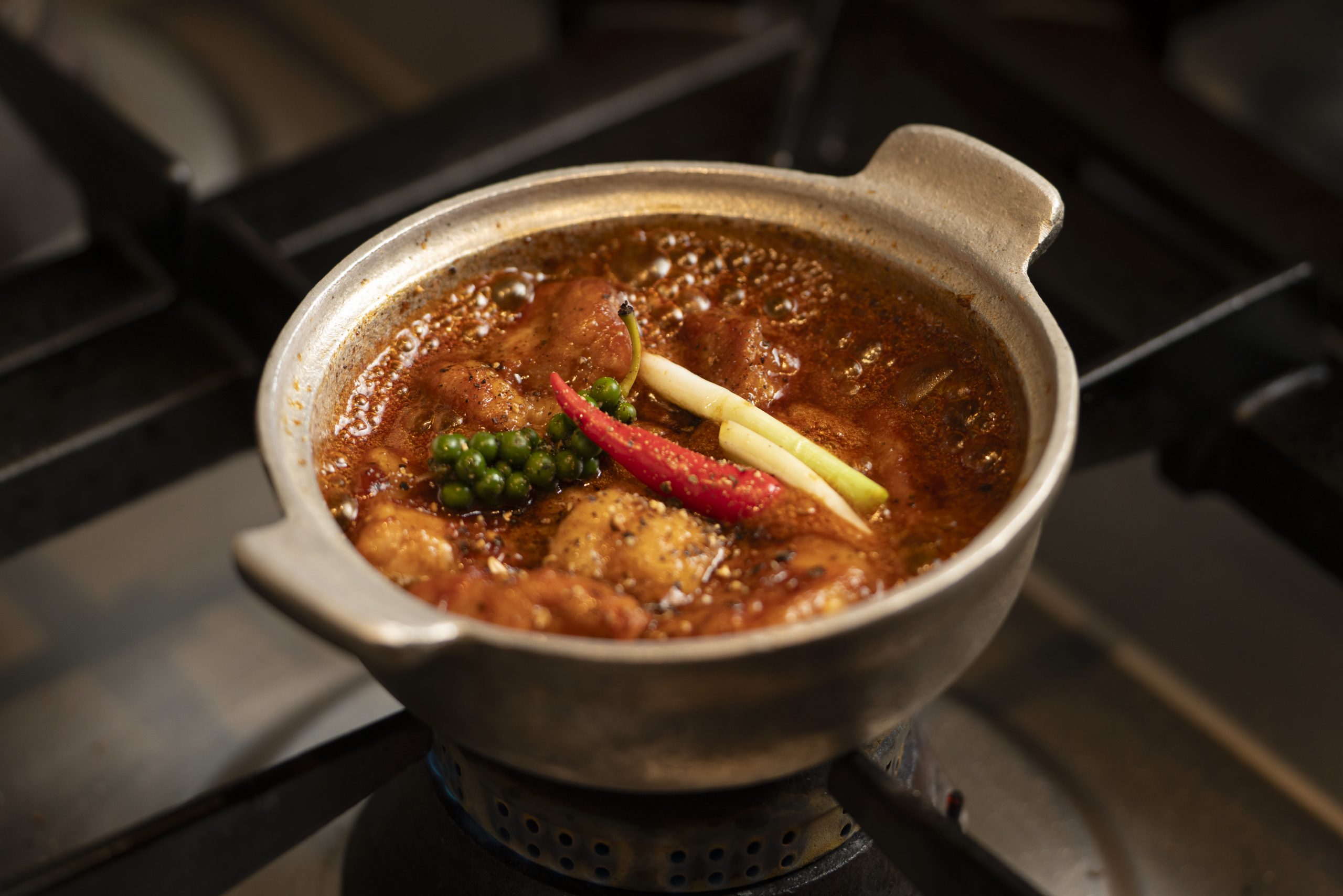
Braised Pork Ribs in Fish Sauce
Ingredients
500g pork spare ribs
4 shallots, minced
1 clove garlic, minced
1–2 chilies (depending on spice preference)
2 tablespoons good-quality fish sauce
1/3 tablespoon sugar (palm sugar may be used for extra fragrance)
½ teaspoon salt
½ teaspoon black pepper
½ teaspoon seasoning powder
1 tablespoon cooking oilMethod
Cut the pork ribs into bite-sized pieces. Blanch the ribs in boiling water for 2–3 minutes to remove impurities, then rinse and drain well. Marinate with fish sauce, sugar, seasoning powder, and pepper for 20–30 minutes.
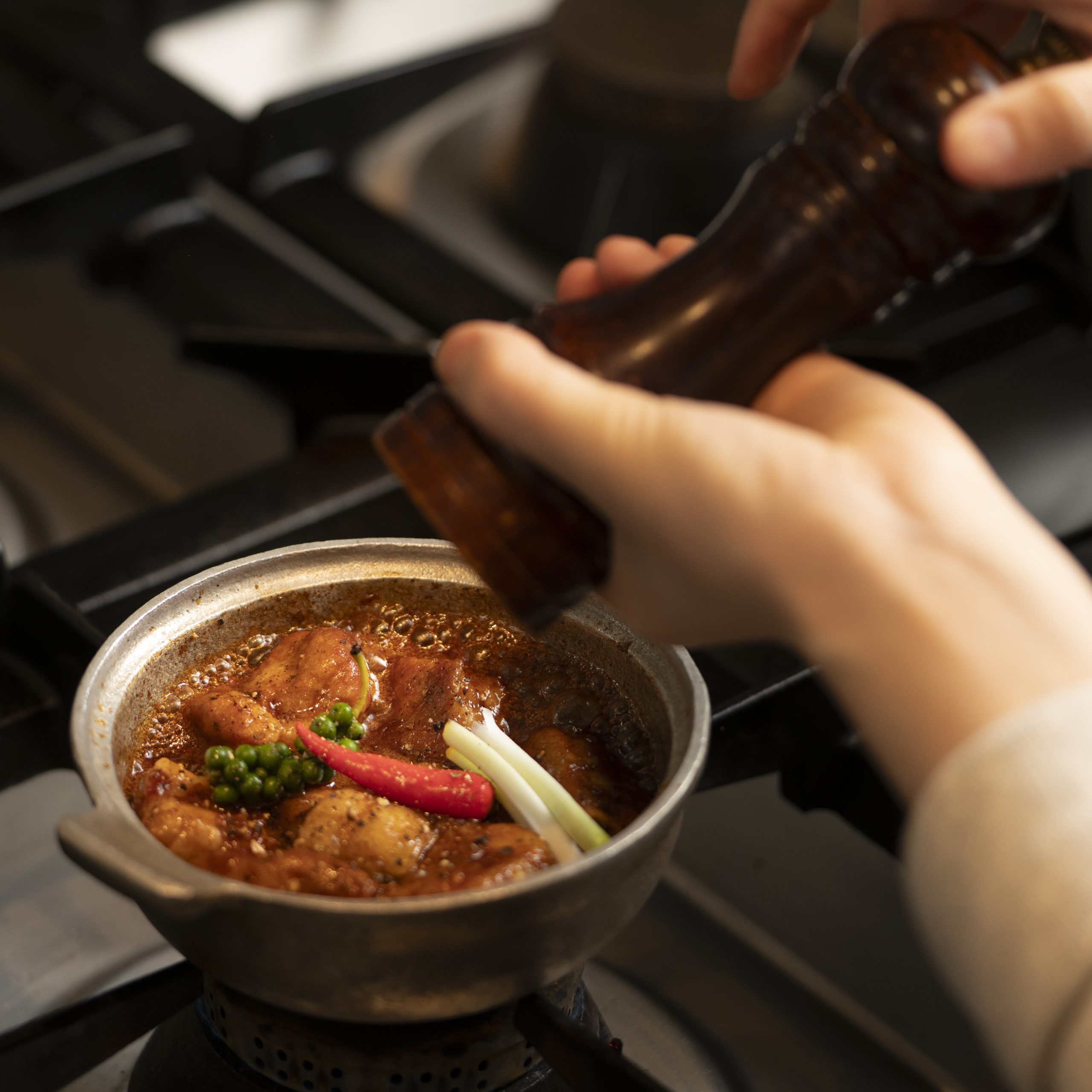
Heat oil in a pot and sauté the shallots and garlic until fragrant. Add the ribs and stir until lightly seared. Pour in a little coconut water, just enough to nearly cover the ribs. Lower the heat, add green peppercorns and chilies, then braise for 20–25 minutes until the ribs become tender.
When the liquid has nearly reduced, increase to medium heat. Stir continuously until the sauce thickens and coats the ribs evenly. Adjust seasoning to taste, then finish with chopped scallions and freshly ground pepper.
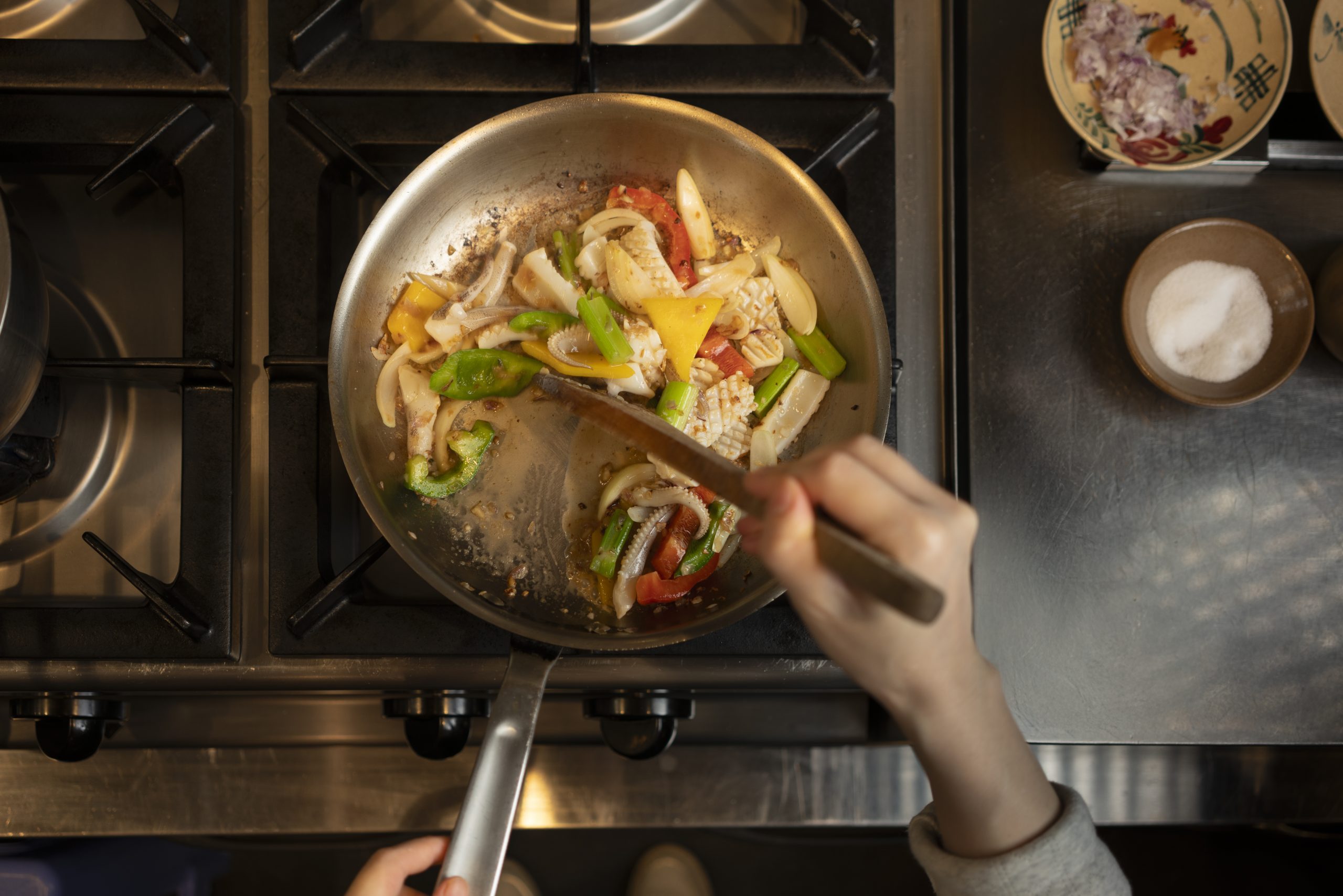
Stir-Fried Squid
Ingredients
300–400g fresh squid (tube squid or cuttlefish)
1 onion
½ bell pepper (red, green, or yellow for color)
3 cloves garlic, minced
Scallions
2 tablespoons ketchup
1 tablespoon rice vinegar (or tamarind juice)
1½ tablespoons sugar
1 tablespoon fish sauce
½ teaspoon black pepper
½ teaspoon cornstarch
2 tablespoons water
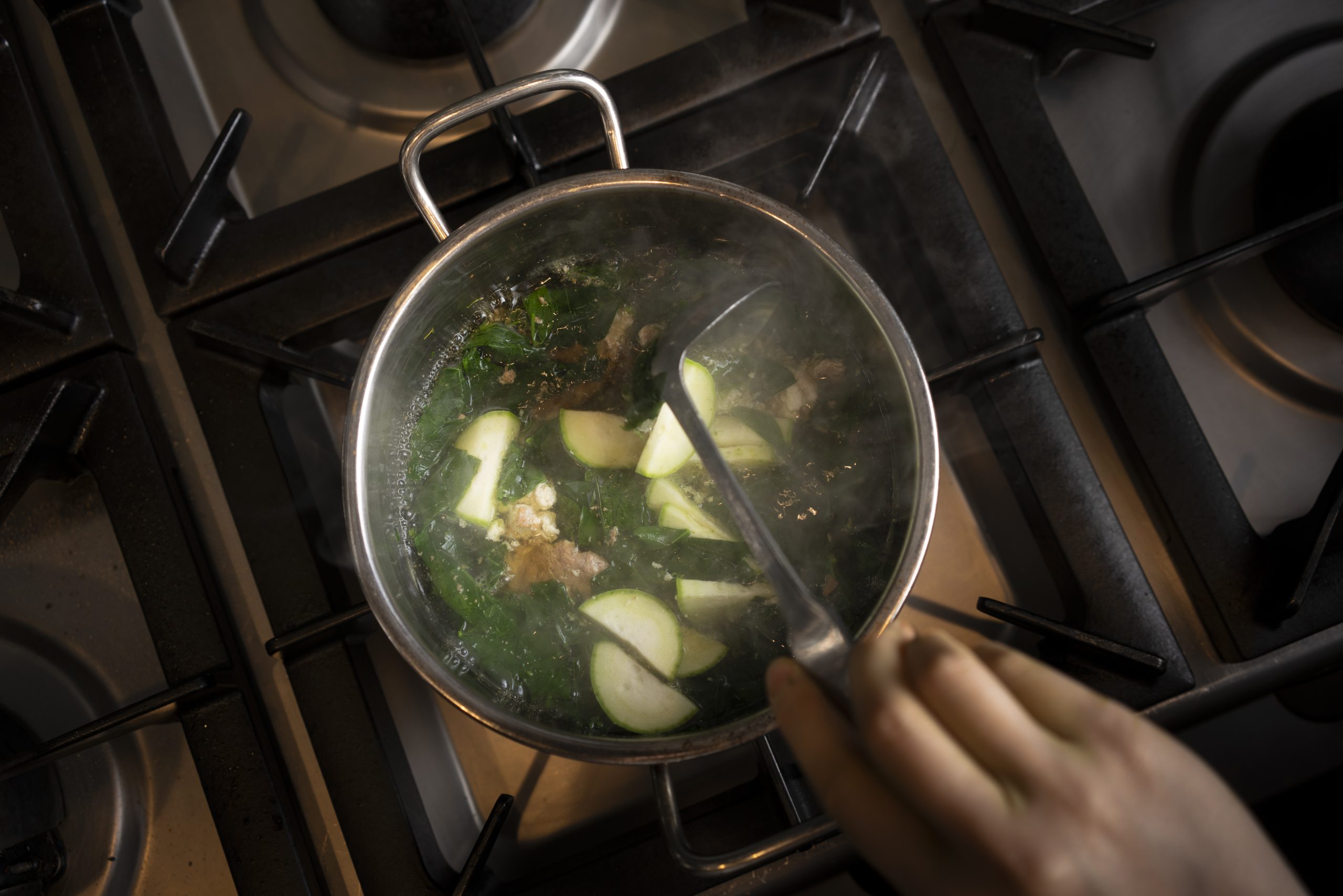
Crab Soup with Sweet Leaf and Sponge Gourd
Ingredients
200–250g freshwater crab paste (or pre-ground crab)
1 bunch sweet leaf greens
1 sponge gourd
1–2 shallots, minced
1 teaspoon salt
½ teaspoon seasoning powder
½ teaspoon shrimp paste
Freshly ground pepper, scallionsMethod
Combine the crab paste with about 500ml water and a pinch of salt, stirring well before straining to extract the crab liquid.
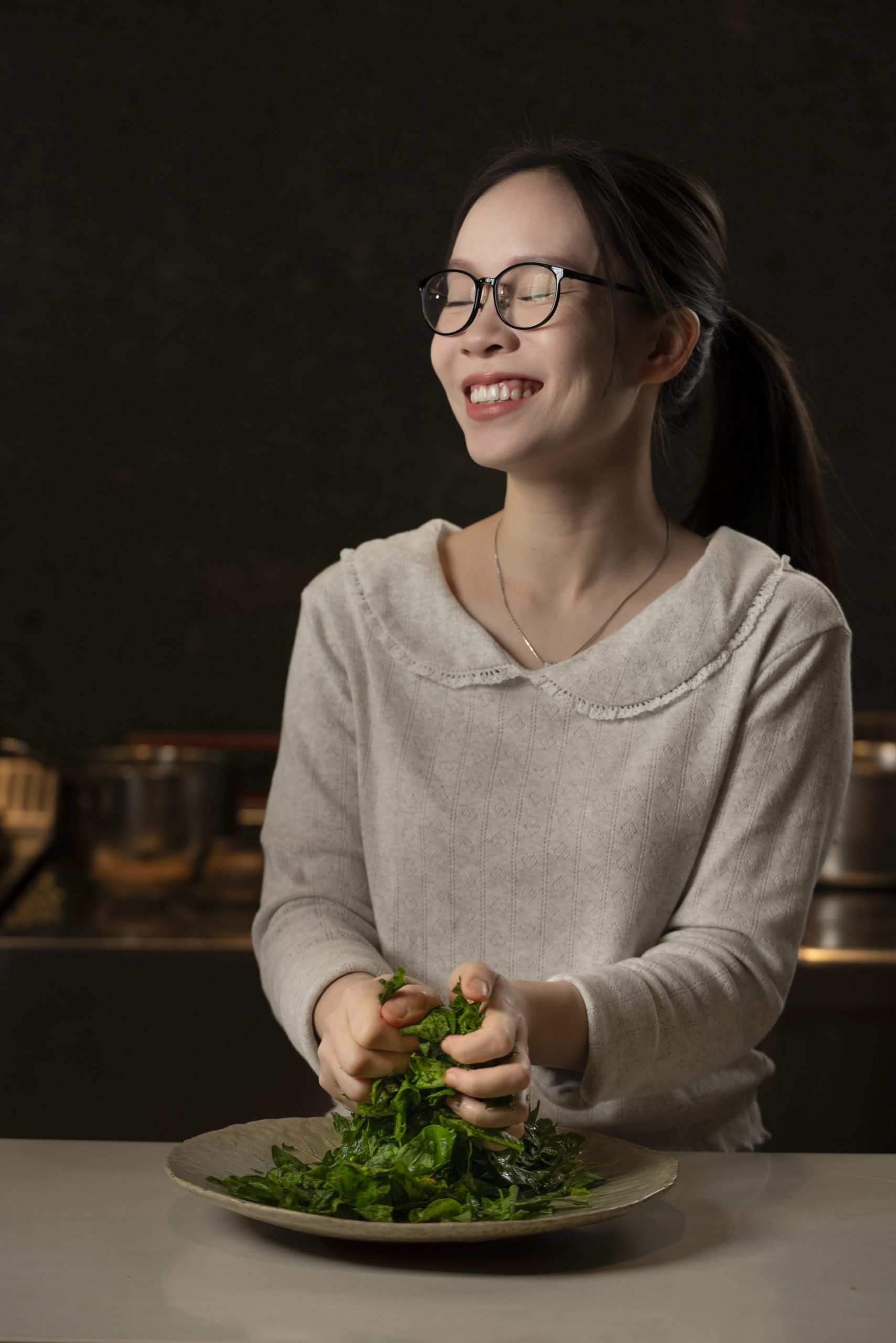
Pick the sweet leaf greens from their stems and gently bruise the leaves by hand. Peel the sponge gourd and cut into diagonal slices or rounds. Finely mince the shallots.
Pour the crab liquid into a pot over medium heat. Stir gently at first, then stop once the crab roe begins to rise to the surface. Scoop the crab roe into a separate bowl.
Sauté the shallots in a little oil until fragrant. Add the crab roe and stir gently, seasoning with shrimp paste and seasoning powder.
Return the sautéed crab roe to the pot. Add the sweet leaf greens first and cook for 1–2 minutes. Then add the sponge gourd and cook for another 1–2 minutes before turning off the heat.
Adjust seasoning with salt or seasoning powder to taste. Finish with freshly ground pepper and scallions if desired.
Published in Đẹp Magazine, Issue No. 305
Words and Images: Nhà Có Hai Người