Yohaku Tea House: A Japanese Quietude in the Heart of Hanoi’s Old Quarter
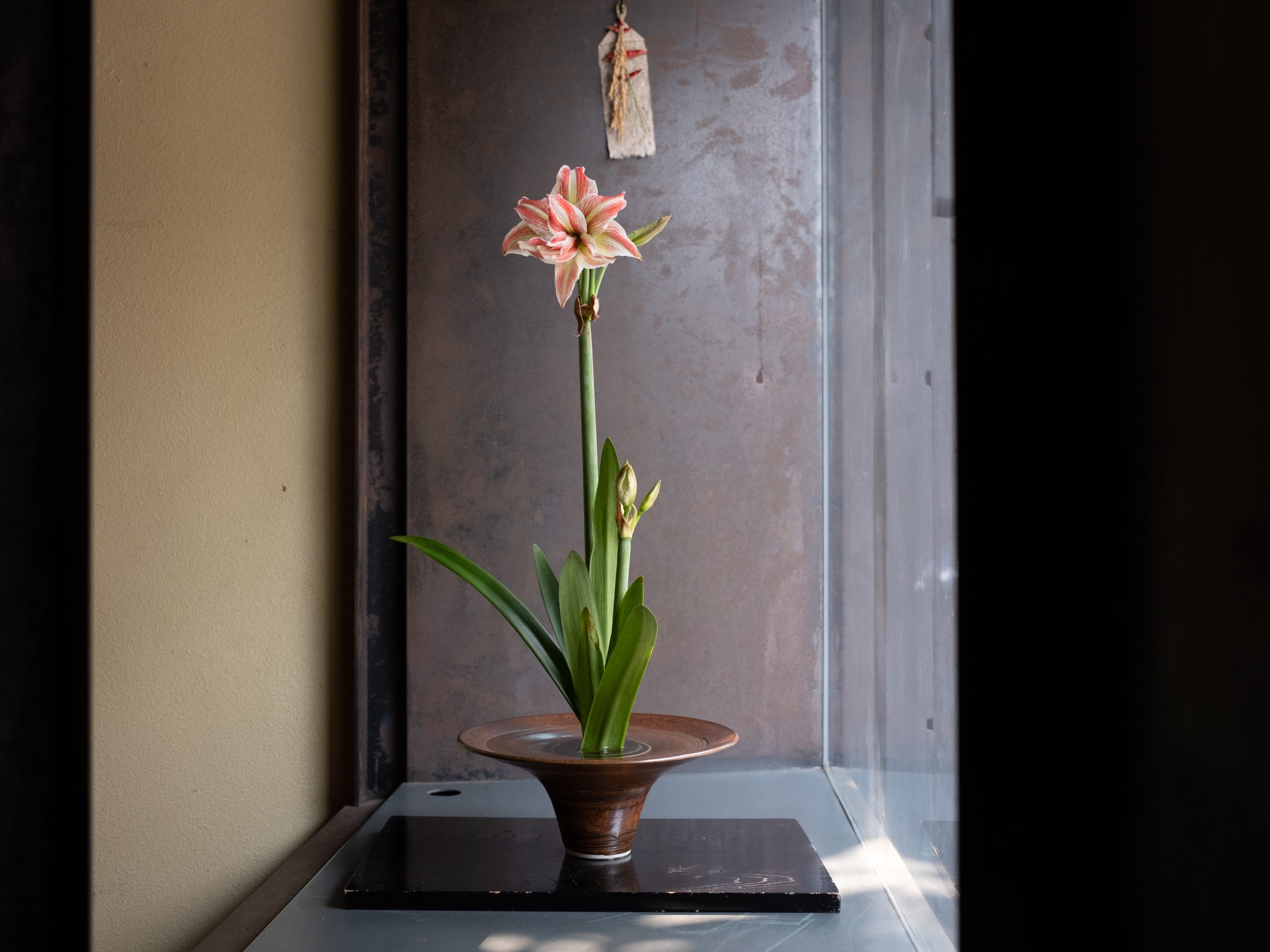
Tucked inside a narrow townhouse in Hanoi, Yohaku Tea House is designed with the aesthetics of a traditional Japanese interior. Each month, it hosts flower-arrangement workshops and tea ceremony sessions led by a Japanese master for those who cherish the culture of the sakura land.
The Subtle Art on the Tea Table
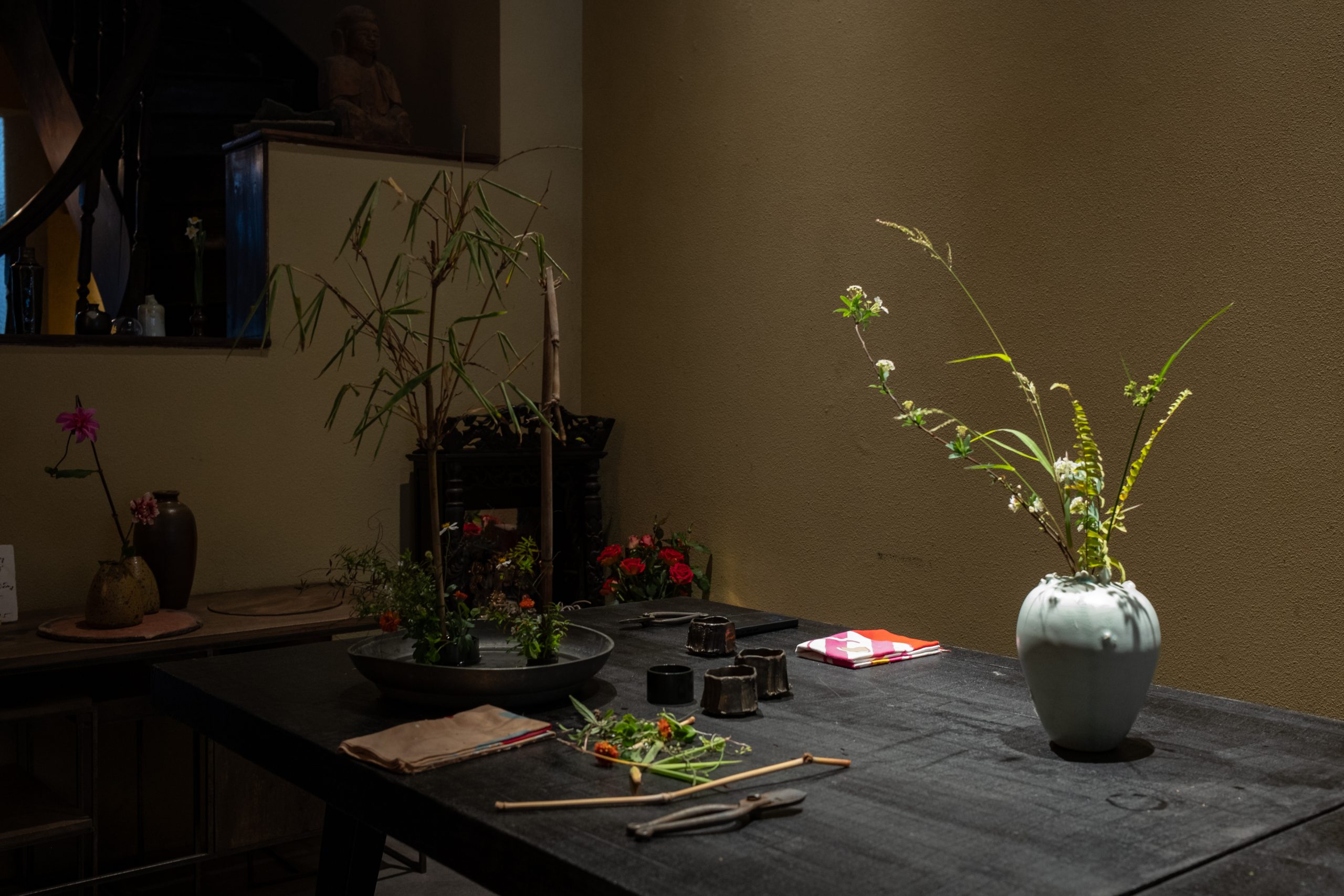
Yohaku’s founder, Việt Hà (Abe Hanna), a Vietnamese woman now living in Japan, began our conversation by speaking about “the small refinements on the tea table”: the tea bowl, the whisk, the scoop, the tea caddy, the kettle, the cloth for wiping, the small protective mat. Hospitality, she said, lies at the heart of the tea ceremony, which is why every tea utensil must be chosen and cared for with great intention.
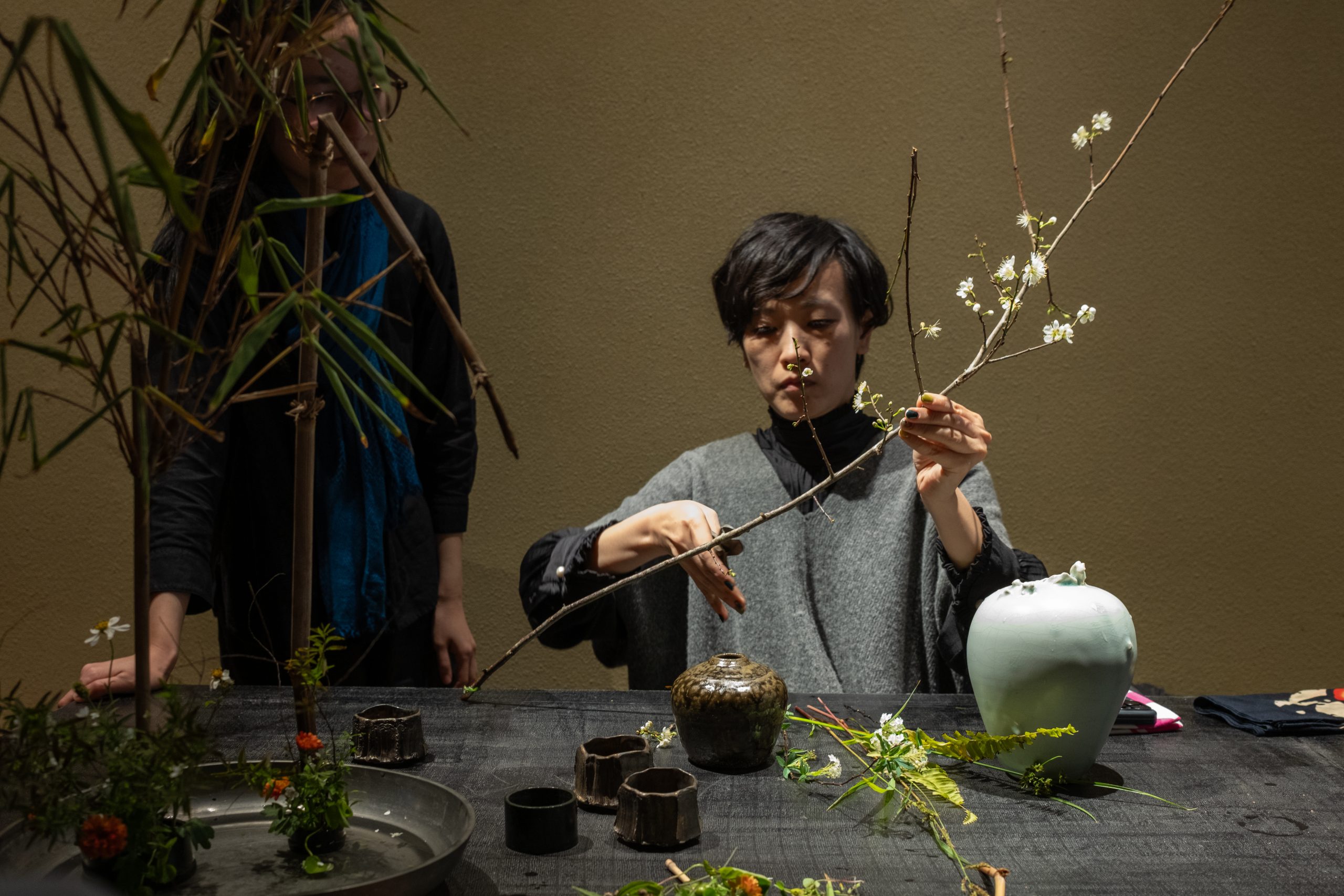
The habit of observing objects and noticing others is one of the quiet teachings of the tearoom. Each session becomes an encounter with art, culture, and spirit through the gentle alignment of body, mind, and awareness.

Moments of Stillness
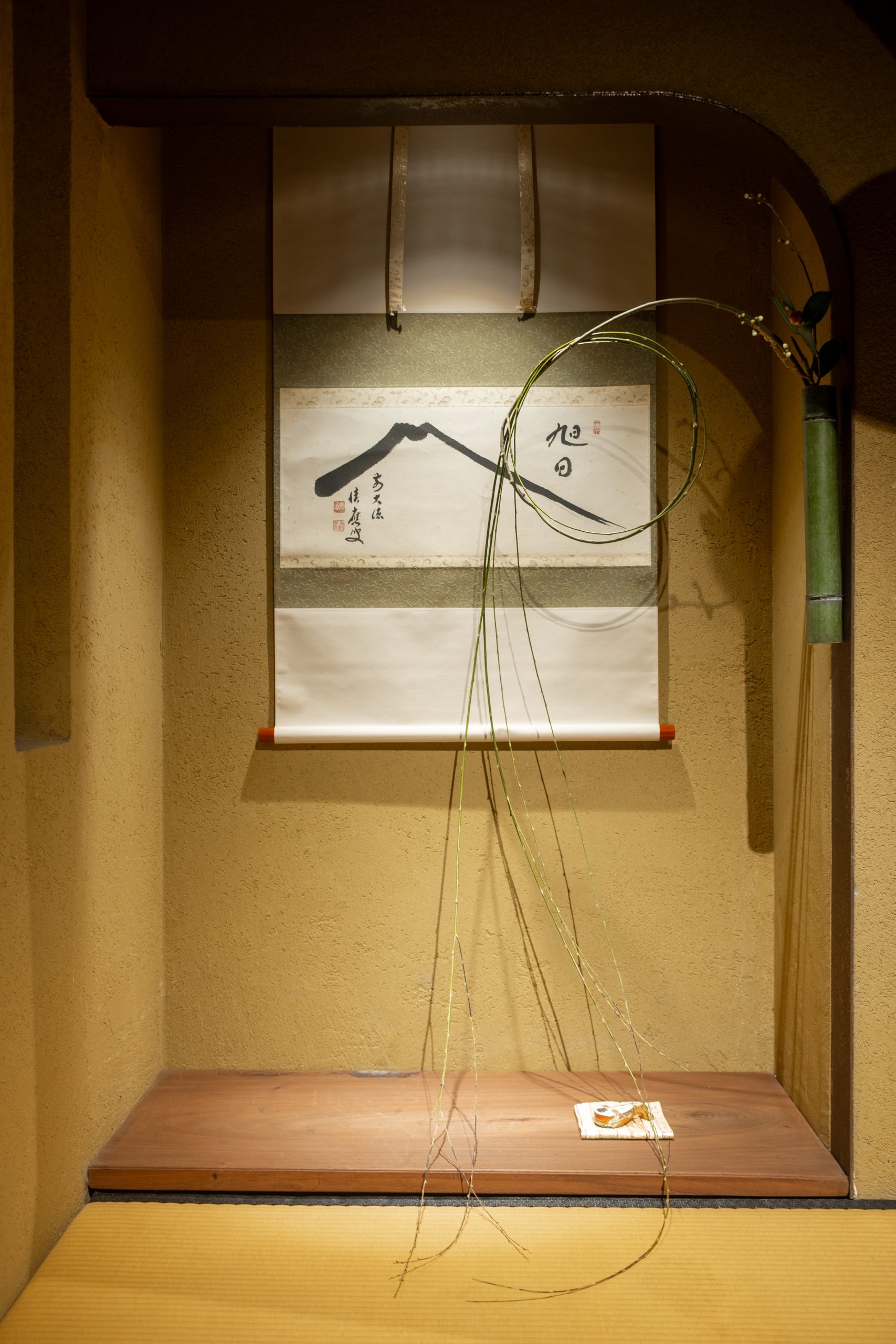
In traditional Japanese architecture, the tokonoma is a small alcove in a tatami room used to display hanging scrolls, flower arrangements, or objects of artistic or spiritual value. It can be seen as a “threshold” where the real and the imagined meet, a space of reverie.
Although modern Japanese homes rarely have room for a tokonoma or a tea hut, tea masters often visualize a grand natural scene or a beloved utensil whenever they prepare a bowl of tea. Yohaku has such a “threshold”: a space where the host prepares the tea gathering. Here, visitors can slow down and appreciate the beauty of quiet moments and simple things.
Ikebana and the Poetry of Nature
When we stand before a beautiful landscape, we feel moved and want to recreate that emotion through a flower arrangement. This, to me, is the essence of Ikebana after practicing it at Yohaku.
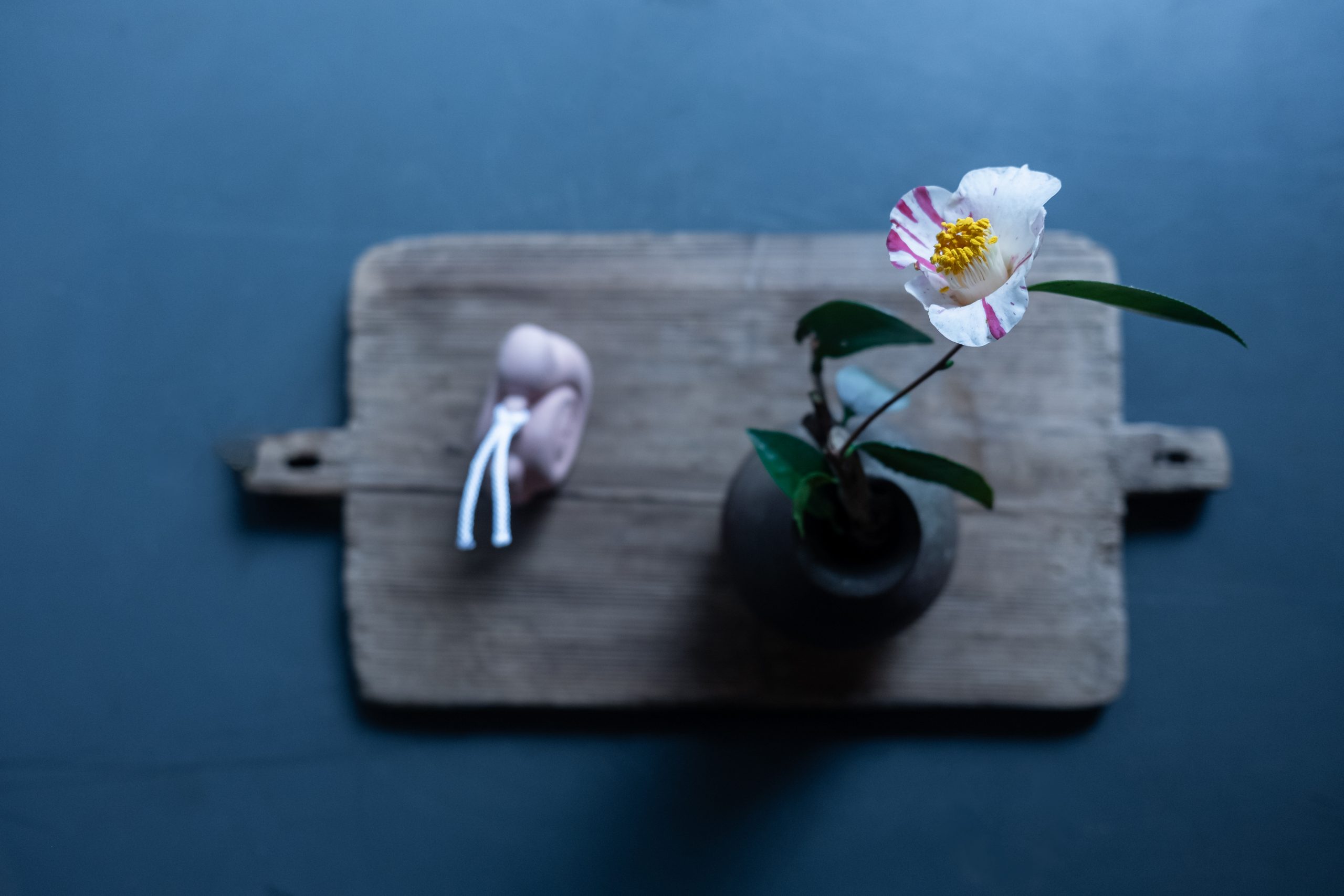
Nadeshiko flowers bloom in sunlit river fields, while ferns thrive under dense canopies. In nature they never meet, yet in a vase they can coexist without dissonance, guided by the sensibility of the arranger.

A cherry blossom arrangement in the Rikka style follows strict principles with seven or nine structural elements representing mountains, waterfalls, or valleys. What the vase conveys is not an actual landscape but the imagination of the person arranging it. In spring, cherry blossoms bloom first at the foot of the mountain and gradually spread upward. This is why newly opened flowers are placed together with aged branches to evoke the rhythm of a blossoming forest.

The link between Ikebana and the tea ceremony is profound. In a tearoom, flowers are the only “living presence” besides the people within it. Each season brings its own blossoms, which bloom and fade. Flowers embody nature’s beauty and remind us of the preciousness of each moment, honoring the spirit of Ichigo Ichie – the belief that every encounter happens only once and should be cherished. Whether arranging flowers or whisking tea, the intention remains the same: to cultivate presence, either for oneself or for another.

In Japan, where nearly everything can be elevated into a “way” or a “path,” Hanna believes that everyday life itself can become a form of practice. Everyone interprets the word dō differently, but to her it is more about shaping the inner self than mastering technique. The “way” is not something tangible but a quiet inner space where beauty and peace can be found in small, fleeting moments.
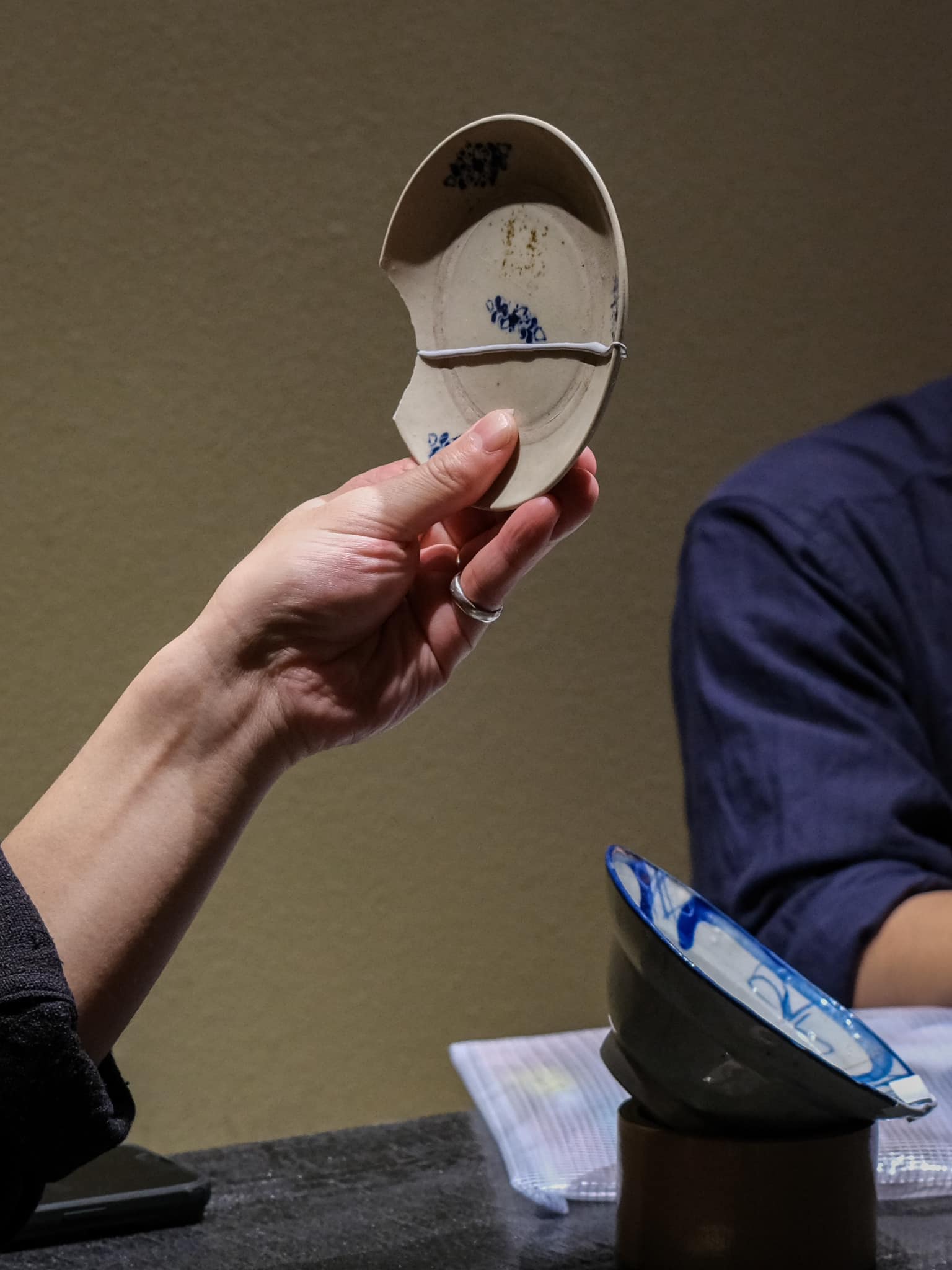
Beyond Ikebana and tea ceremony, Yohaku offers other windows into Japanese culture. Visitors can learn Kintsugi, the ancient art of repairing pottery; they can also join cooking classes that emphasize beauty, harmony, and the refined values of Japanese cuisine.
 Originally published in Đẹp Magazine, Issue 295
Writers: Trần Trung Hiếu, Lê Ngọc