
Director Dương Diệu Linh – No Experience Is Meaningless
Without an artistic family background, Diệu Linh nonetheless seems to share a strange bond with cinema. In our conversation about the beauty of emotion in film and in life, she said she has always believed that no experience is meaningless and no lesson is wasted. Whatever happens in life is material that enriches her understanding of emotion. So she sees herself as a child with a question always on the tip of her tongue: “Why not?” She is always ready to embark on any new journey, knowing it will lead her to wonderful things.
In the 2000s, when the video rental market was booming, Diệu Linh’s love of cinema gradually took shape. In high school, she happened to win a WWF video competition on protecting wildlife. Later, reading that Nanyang Technological University (Singapore) was recruiting film students, she took a chance, applied and was accepted.
After five long years of a packed schedule on her first feature film, “Don’t Cry, Butterfly” (Mưa trên cánh bướm), Diệu Linh wanted to give herself two years to read and write – things she loves but had almost no time for while making the film. She was also curious about how people on the other side of the world live and make films, how it differs from the South-East Asia she knows so well, what she could learn from them and, in turn, what new knowledge she could bring them.
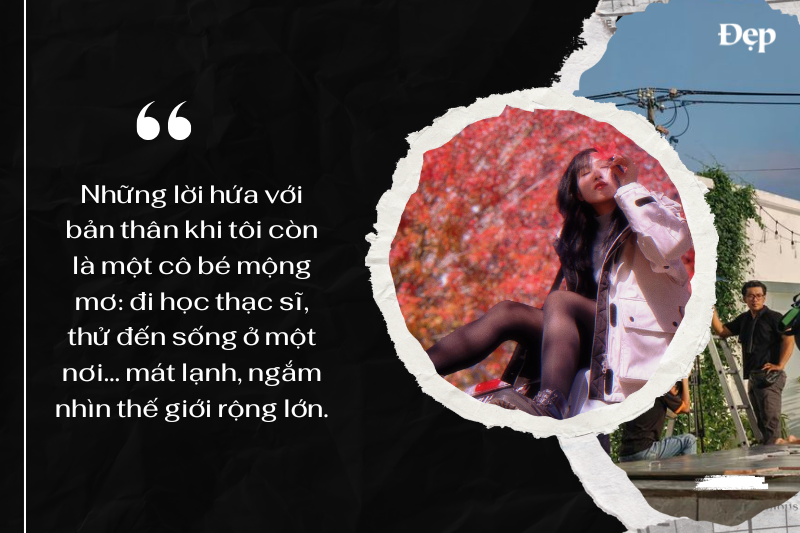
The young director is now doing a Master of Fine Arts in Film and Creative Writing at the University of British Columbia (Canada). Ever since she was a dreamy little girl, she made herself a promise: first, to do a master’s degree; second, to try living somewhere… cold. Ultimately, she wants to see how vast the world is. This is the life she has always aimed for.
In a recent interview, Linh said: “I believe human emotions have no borders, no fixed identity, and are not limited by different cultural values. If a film is emotionally sincere enough, it can touch the hearts of audiences wherever they are in the world.” Would you agree that the beauty of cinema, besides spreading emotion widely, is also that it awakens deep emotions people may never have touched before?
Not just cinema but any art form can reach the deepest layers of human emotion. I love the moment in “Dead Poets Society” (1989) when the teacher reminds his students that poetry is not read and written because it is pretty, but because we are human and full of passion;medicine, law, business and engineering keep us alive, but poetry, beauty, romance and love are what make life worth living.
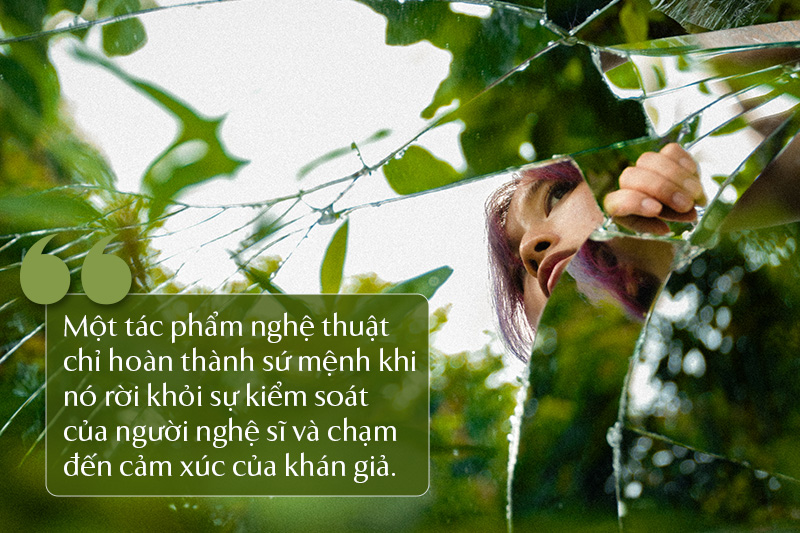
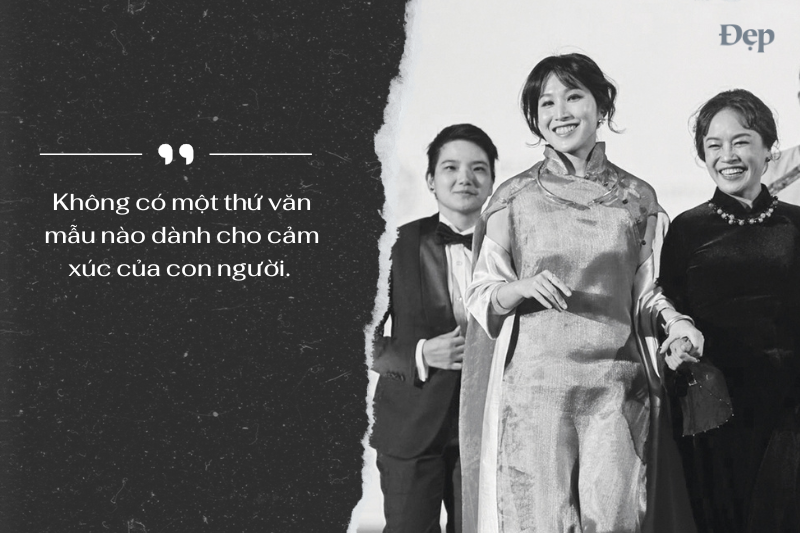
A work of art – a piece of music, a painting or a film – only truly fulfils its mission when it leaves the artist’s control and reaches every corner of the audience’s emotions. No two viewers react to the same work in exactly the same way, simply because each of us has a different background and experience, vibrating at our own frequencies. Some see themselves in a work and love it; others see themselves in it and hate it because it makes them face their dark side. Some are moved without knowing why; others only empathise when they watch it again years later. There is no model answer for human emotion. For me, the beauty of a work lies in allowing people to reflect on and compare it with feelings they have unwittingly forgotten in the busyness of life.
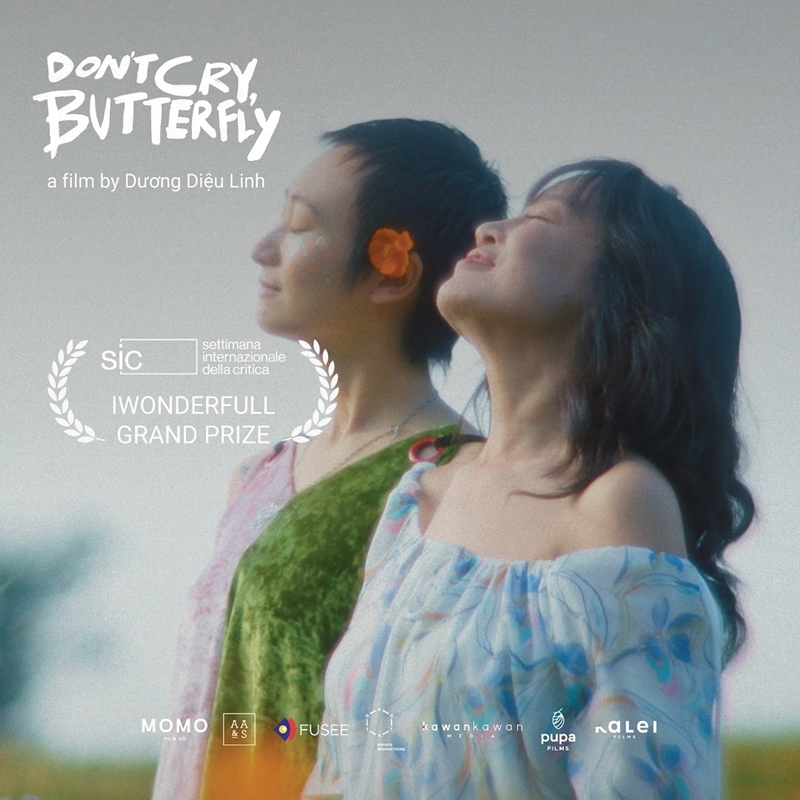
“Don’t Cry, Butterfly” explores the mother–daughter relationship and intergenerational trauma in Vietnamese society. The subject and message are not new, but the way they are conveyed must be fresh enough to evoke very different emotions, making audiences pause and look deep into themselves. How did you keep the film from feeling stale?
Perhaps my strength, in life and in cinema, is combining things that are both opposite and alike. The daughter’s beautiful, somewhat far-fetched dreams are placed beside the mother’s deadlocked reality. Trying to change reality, though in different ways, is a form of escape for both. Each thinks she knows what is best for the other, but both are lost in a vicious circle of society’s expectations of women. And “freedom” is perhaps the only thing that binds them – a seemingly simple wish whose true meaning few people really understand.
Do you agree with the idea of “making art to be free”? Have you now been freed from the emotions and concerns you had when you started making the film?
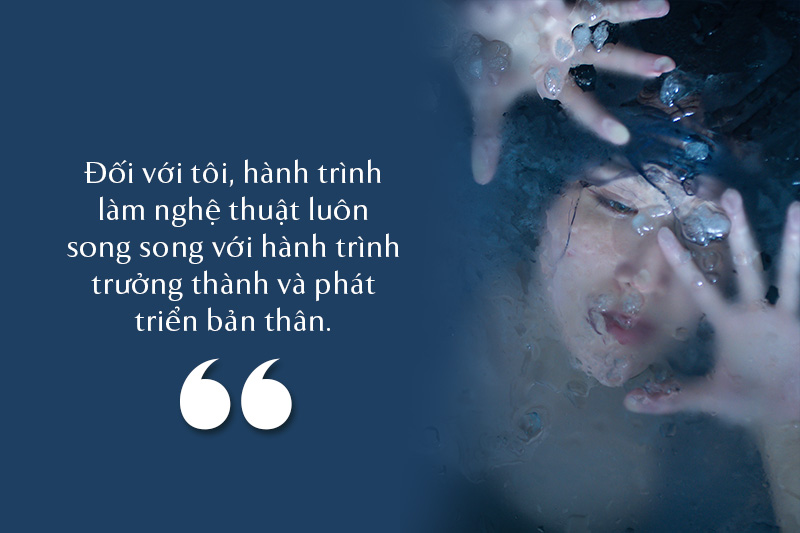
For me, the journey of making art always runs parallel to the journey of growing up and developing myself. What I experience in life is always conveyed through my films, and conversely, building a film is the means by which I reflect and distil the chaos of thoughts inside me.
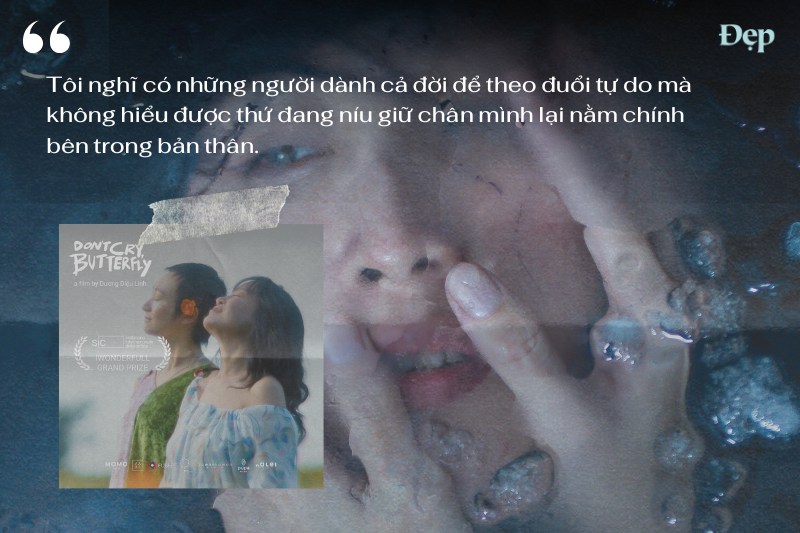
“Don’t Cry, Butterfly” is the journey of a mother and daughter searching for “freedom”. In real life, I too began to explore what freedom really means. Is freedom not being tied to a place? Then why do some people move constantly yet still don’t feel free? Is freedom having no responsibilities? But how can we exist in modern society without being responsible for anything, at least ourselves? Could freedom be getting to be yourself, facing your emotions honestly, and doing what makes you happy without worrying about how society sees you or the responsibilities that bind you in daily life? It sounds simple, but how many people truly manage it? So I think some people spend their whole lives chasing freedom without realising that what holds them back lies within themselves.
Right now, I have only just begun to touch a tiny bit of “freedom”, and making “Don’t Cry, Butterfly” gave me the courage to do so.
The first time you see your characters step off the page, with their own voices, emotions and forms, there are surely things just as you imagined and some delightful surprises. Throughout the filmmaking process, which moment left you with a particularly unforgettable feeling?
Honestly, from writing the script, shooting and post-production right through to taking the film to festivals, I had unforgettable moments every single day.
I was always moved by the effort and love everyone poured into the film, often going along with my rather tricky and somewhat baffling requests. Like the day of costume fittings, when the whole wardrobe team of four or five people sat hunched over threading beads to make the face curtain for the character of the Master. The days the design team had to chip away and patch up the ceiling, then paint it exactly as the director wanted. The day we spent shooting in a closed room where every scene needed the room filled with smoke; after each scene, everyone ran outside to breathe, then shut the door and smoked it up again. Two weeks of shooting in a fifth-floor apartment in an old housing block meant the camera and lighting crews hauling a truckload of equipment up and down every day, and the production team splitting up to beg the neighbours to turn off their music, soothe their children and hush their dogs – every trial imaginable. Also moving were the days we ran over time, and the director grimaced, wanting another take to get it just right but… not daring to ask, so sometimes the camera assistant, sometimes the actor, sensing it, would ask for one more take because “it was my mistake”. Plenty of unexpected things happened during the shoot, and tense moments were inevitable, but everyone always found ways to solve them together. That let me focus with peace of mind on directing and creating. I have to say I was incredibly lucky to have such a warm, loving crew.
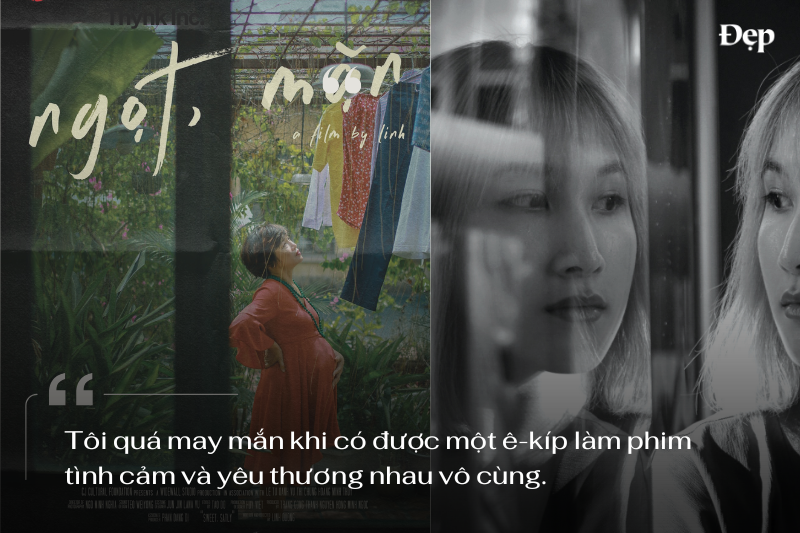
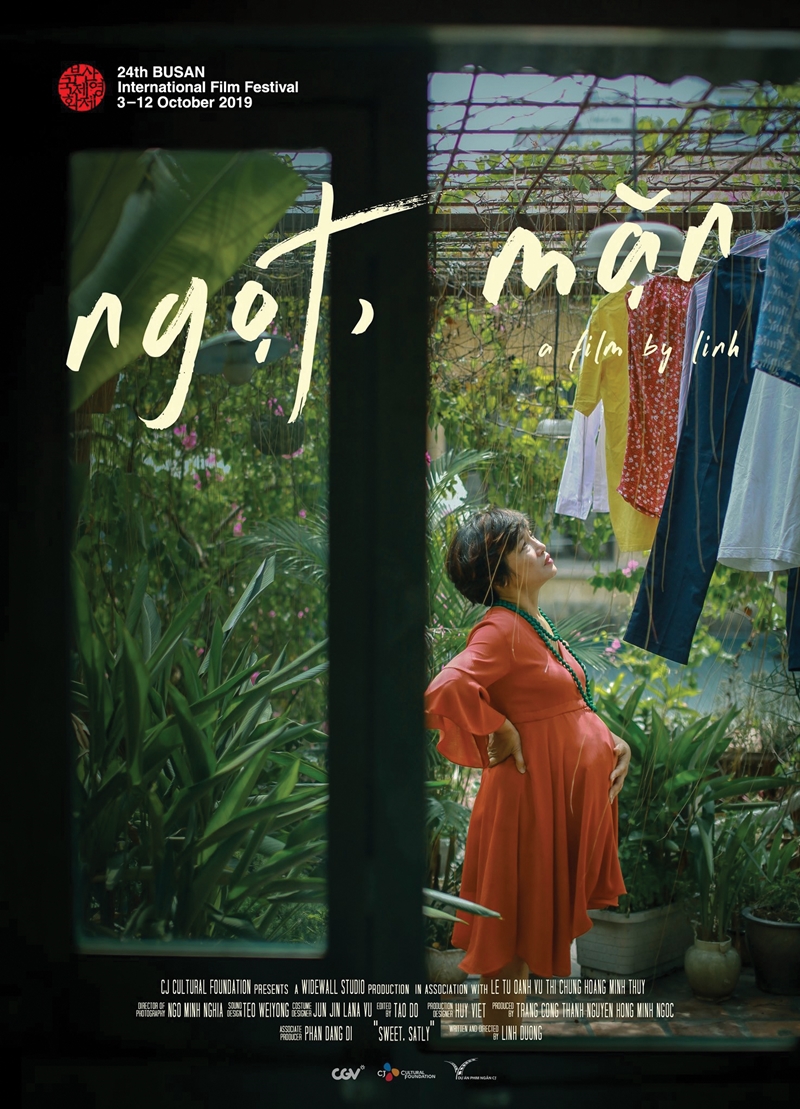
“Don’t Cry, Butterfly” grew out of some of your earlier short films, such as “Thiên đường gọi tên”, “Mẹ, con gái, những giấc mơ” and “Ngọt, mặn”… They all centre on female characters, exploring femininity, family relationships and cultural traditions in Vietnamese society. Was it the pent-up emotions of women caught between Eastern and Western ideologies that gave your work its momentum?
Like many auteur directors, my films carry a strong personal imprint and real experiences. I grew up around many middle-aged women and gathered their stories. I began to question their behaviour and emotions because they all seemed to be living in a tragicomedy, comparing their lives with one another as if competing for the prize of “The Most Miserable Woman in the World”. My starting point was simple – making short films to retell the stories I witnessed from a young person’s perspective. But the more I made, the more the answer to the question “Who makes women suffer?” took shape in my mind, urging me to dig deeper. The result, after ten years, is “Don’t Cry, Butterfly”. It is the final piece in my series of films about middle-aged women, as next I want to explore new themes.
In your view, what are the advantages and disadvantages for women making films about women?
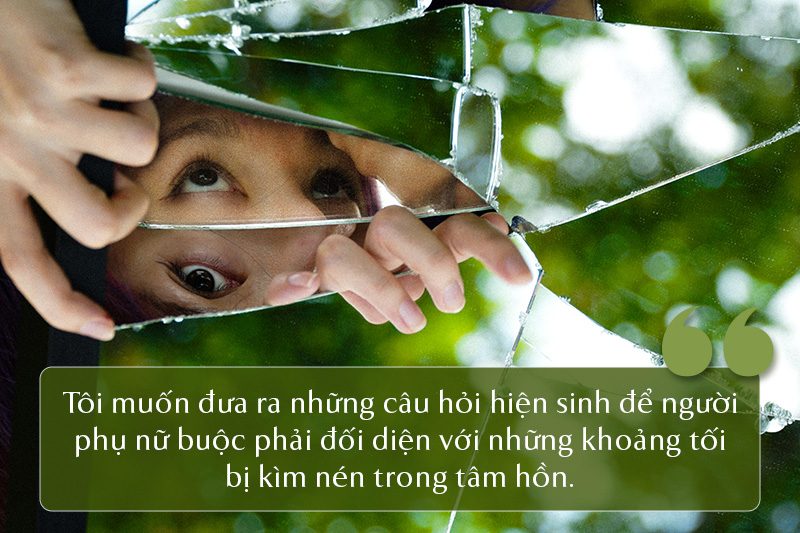
In my university class, a lecturer was once asked: “Why are there so many films with male protagonists?” The answer was quite simple – we tend to make films about characters we can empathise with, and worldwide, there are far more male directors than female ones. Undeniably, many male directors make excellent films about women’s psychology. However, there are also too many films about women shaped by the “male gaze”, romanticising and dramatising female characters. Not to mention that Asian women in Western films are often sexualised or shaped by a Western lens and complex factors stemming from colonial history. I often joke that I could never make an elegant women’s film. The women in my films, based on real women, are prickly, rough and defy notions of beauty, yet they have a fragility and brokenness more complex than they appear. I want women watching my film to see themselves in it, and rather than coddling them in a worn-out mould, I want to pose existential questions that force them to face the suppressed darkness in their souls.
If you hadn’t become a film director, what other version of Diệu Linh do you think you would be?
I’ve never thought about it, but whatever version, I would probably work in writing, communication and creativity. These are the things that let me feel my love for life most fully.
Thank you for the conversation!
_Published in Đẹp magazine October 2024 issue.
FEATURE: AGELESS SOULS
The beauty of emotion, creativity and compassion, the beauty of steadfast will and the courage to commit… such beauties of the soul are surely ageless, for once they begin to bud in a woman, they never fade but only bloom more fully with time. Even more wonderful is when a woman can gracefully leave the mark of her soul’s beauty in pages of books, frames of film and works of art.


