
Director Quốc Công: Back to Classical Cinema
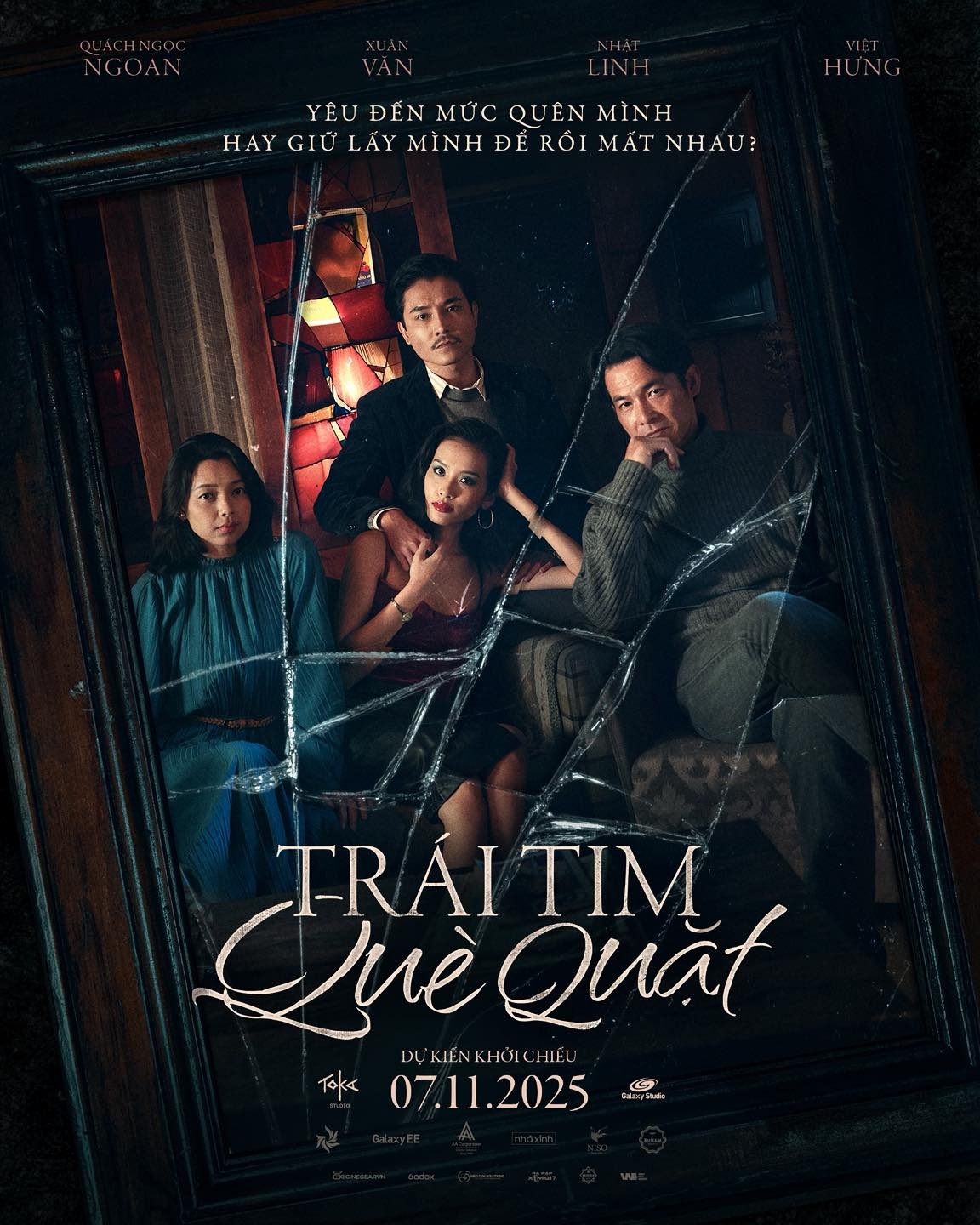
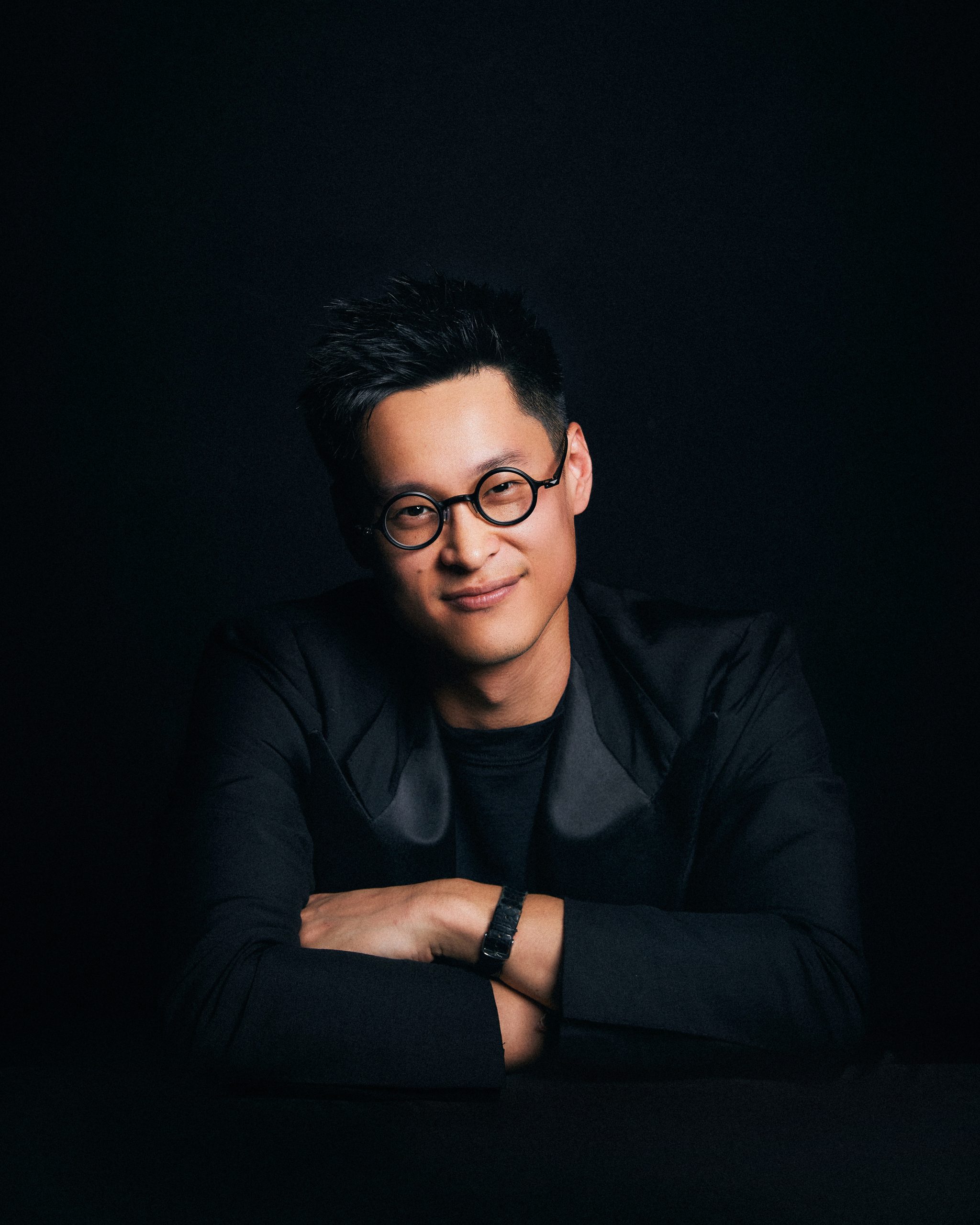
Quốc Công’s debut film has immediately impressed critics upon its release. “Trái Tim Què Quặt”, adapted from the French classic novel “À Cloche Coeur” by Catherine Arley, is a film interwoven with multiple layers of emotion and aesthetic value. Quốc Công shares that during the creative process, he didn’t intentionally seek to return to the core values of classical cinema but simply tried to make the best and most honest film possible. Yet through his accounts of his habits, interests, and life philosophy, one can easily recognize the classical quality inherent in him.
Family and the First Lessons in Beauty
“Trái Tim Què Quặt” is meticulously crafted in every shot with a classical style. The characters’ costumes vividly recreate the context of the 1990s. Director Quốc Công wanted the film to evoke the feel of an old VHS tape of Vietnamese cinema from the previous century, like the ones his parents once owned and he happened to watch. There was something magical about films from that era.
Right from the opening scene, the conversation leading to an argument between the male and female leads while driving recalls familiar situations in classic films. Quốc Công admits he has always loved the haunting long takes in Tarkovsky’s films, Kurosawa’s way of composing actors within the frame, or Ingmar Bergman’s poetic approach to filming faces. All of them, along with many other filmmakers, helped shape him into the director he is today and naturally influenced the visual language he pursues.
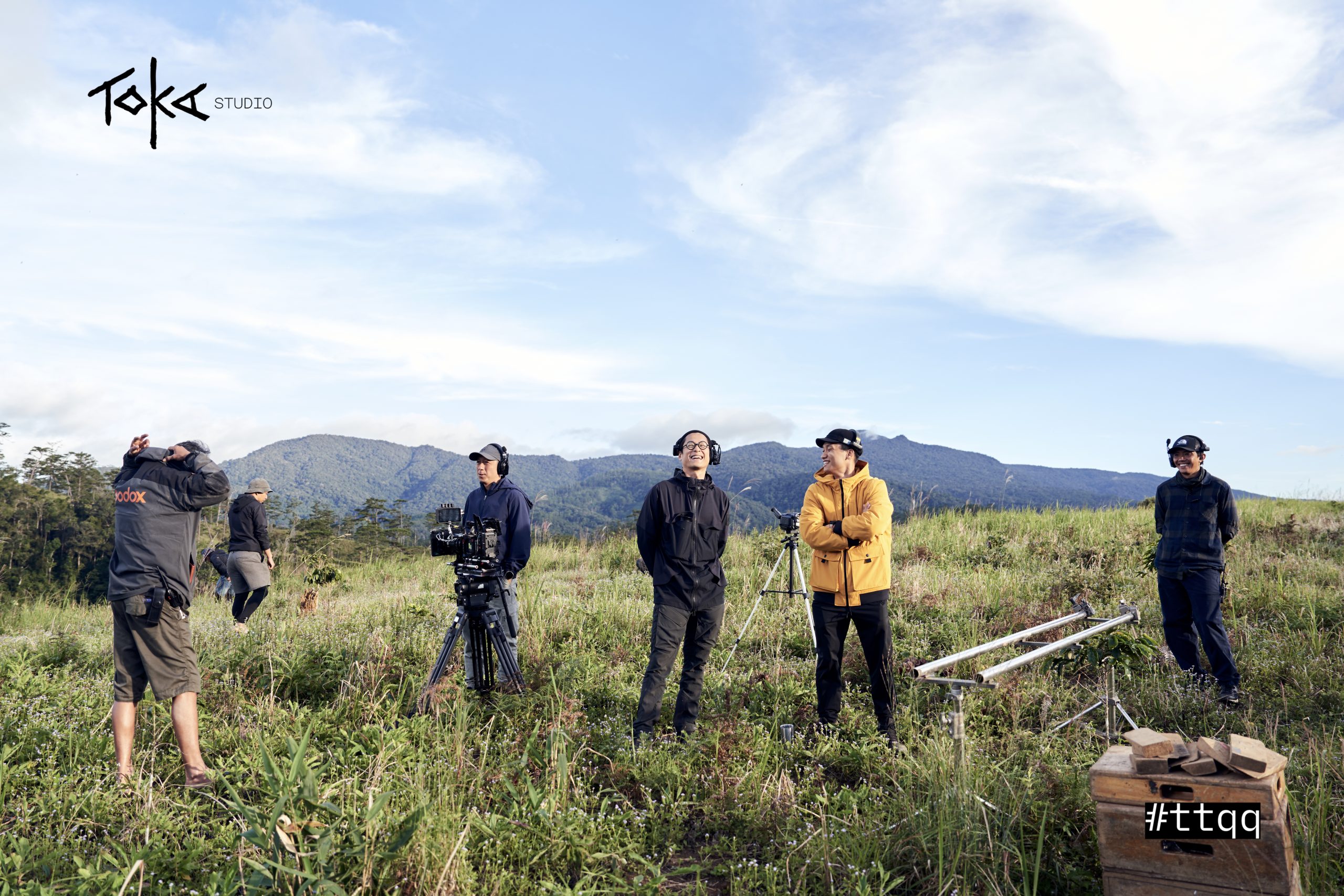
But family were the first people to influence Công’s perspective on art and beauty. He recounts: “My father was a passionate cinema enthusiast. When I was young, I’d often rummage through his stack of DVDs to watch. My mother had a refined aesthetic eye and was very meticulous. My parents also loved books and always encouraged my curiosity. Thanks to that, I was exposed to reading from an early age. I enjoyed exploring how elements in literary works combine to create emotion, and from there imagined adapting them into film.”
“Film has been an integral part of my life since childhood. I watched my parents’ ‘Forrest Gump’ and ‘Star Wars’ tapes over and over, then stayed up late to watch ‘Movie Magic’ on TV. Being able to watch many films early on led me to cinema as a form of artistic expression, not just entertainment.”
Some authors who greatly influenced how Quốc Công receives culture are Haruki Murakami, Bret Easton Ellis, Chuck Palahniuk, and Vladimir Nabokov. Recently, he’s particularly enjoyed listening to William Gibson audiobooks and maintains a journaling habit. Writing helps him develop ideas, release emotions, and preserve a physical imprint of who he is at each moment in time. For Quốc Công, a rich cultural life is the best root system for nurturing artistic sensibility.
Telling Stories of Unfinished Love
The screenplay for “Trái Tim Què Quặt,” adapted from a French novel, may not be new in content, but its storytelling approach is compelling enough to keep viewers engaged until the final moment. Through three character arcs with three different love stories, the film is connected by an investigation into a murder case. The first arc is the main couple: Ánh and Sơn, a journalist and a writer. Conflict arises when Ánh wins a short story award and receives a scholarship to study abroad in France. The woman chooses career over love, leading to tragedy.
The second arc is the couple formed by Sơn’s sister-in-law and brother: Xuân and Triết. They love with a love where one person must sacrifice for the other. Though tensions reach their peak at times, they still choose to stay together, accepting compromise to preserve their happiness. The third arc, the most surprising, is the fleeting love between a mentally disturbed young man and the girl he killed—the victim in the murder case, the thread that runs throughout the film’s narrative. Though appearing only briefly, the killer character helps unveil the entire mystery, creating sharp contrasts and triggering viewer emotions across multiple dimensions.

One could say this debut film is Quốc Công’s dream. He shares that since studying filmmaking, he has always been drawn to stories of unfinished love. He’s passionate about seeking tragedy to tell, yet in real life, Quốc Công is fortunate to have a truly beautiful love story. Norwegian playwright Henrik Ibsen once said: “The ability to know suffering is a necessary quality of the genius artist.” But “knowing suffering” doesn’t necessarily mean “experiencing suffering”—rather, it’s having the capacity for empathy, imagination, and artistic expression of pain. A stable emotional life has created a solid psychological foundation, helping him explore complex emotions without being swept into personal chaos.
From that foundation, he turns to classical works, where values undiminished by time are preserved. Quốc Công believes audiences should engage more with great works of art. Given the opportunity, he would love to converse with director Francis Ford Coppola to learn about the experience of filmmaking in 1970s Hollywood—the golden era of American cinema that he deeply admires.

For Quốc Công, cinema is not just a profession or means of expression but a lifeline nourished by love—the love of family, of his life partner, and his own love for beauty. In an art world often associated with pain and conflict, he chooses to take the opposite path. Through deep affection, he can tell stories of unfinished romance with subtlety and sincerity. And that is what makes his cinema not only beautiful but also full of vitality—a journey back to the roots, where art touches humanistic values.
FEATURE: BACK TO ROOTS
Eastern philosophy teaches: “All things arise from the Tao and return to the Tao.” In that flow, returning is not a retreat but a rebirth. Each person, at each stage of life, needs these returns to their roots, through different means, to answer the question: who am I, and what can I do for this life?
Originally published in Đẹp Magazine, Issue No. 303


