
A Journey Through the Opera Universe
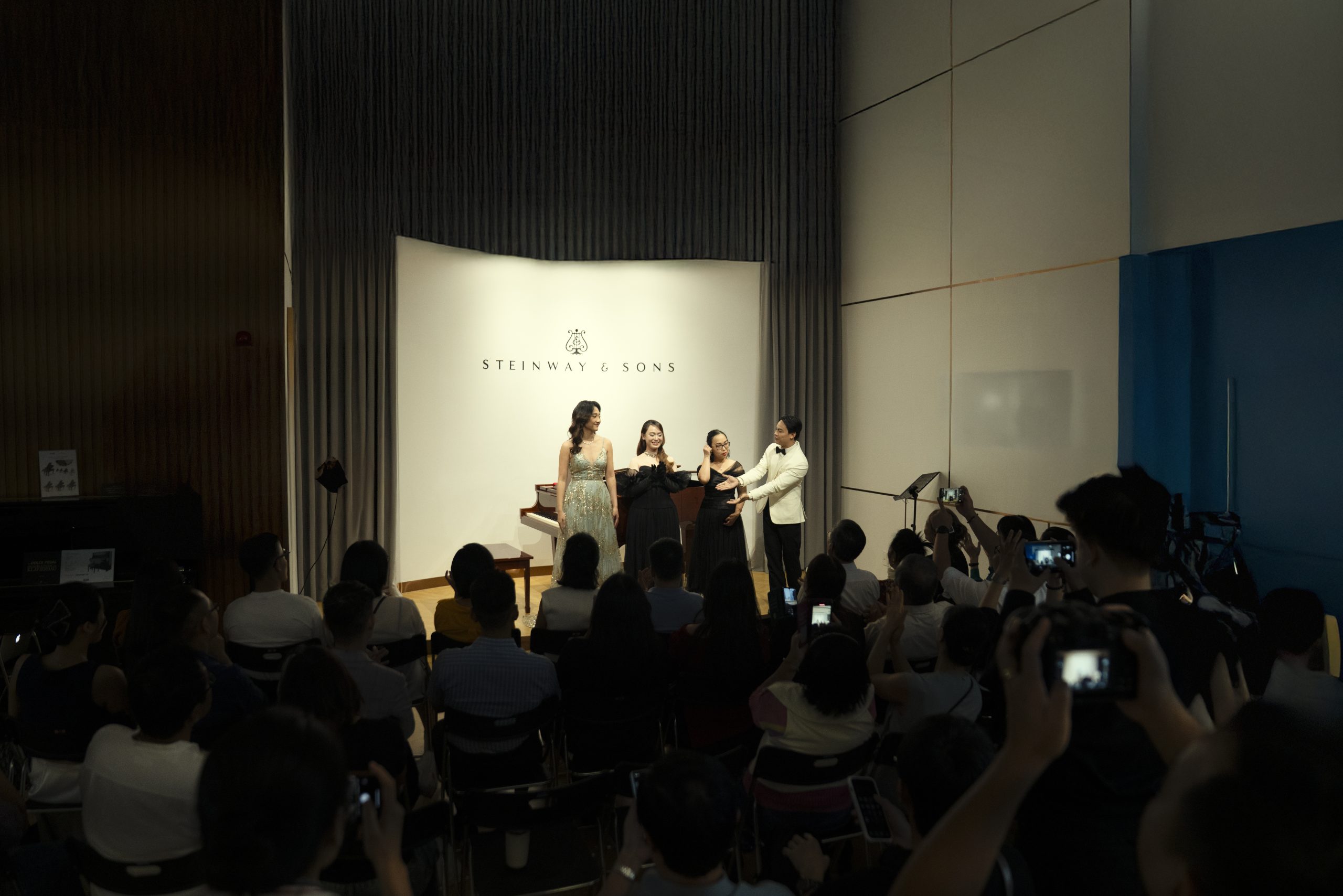
This is the second time I have attended a recital by the young opera singer Thế Huy. The performance marks a full ten years of his pursuit of classical music and opera singing. This time, it seems he has found a clear and confident answer for himself: opera is the path he will dedicate his life to. When Thế Huy stands on stage and begins to sing, it is easy to see that opera belongs to him, and he was born for opera.

To Be Sung Is to Be Seen
The theme of this recital is “To be sung is to be seen.” Thế Huy shared the inspiration behind this idea: during lessons, his teacher would often ask, “How do you feel?” After singing a line, a passage, or a full piece, the teacher would ask again, “How do you feel after singing it?” Thế Huy often replied, “Today I feel tired, afraid I did not sing well.” But after singing, he realized, “I feel I have fully embodied the character.” The teacher’s question helped him understand that opera is not just music but also the art of character and storytelling.
Indeed, opera is an art form that combines stage performance and music. An opera typically involves solo singers, choruses, orchestras, ballet performances, and acting. The universe of opera is not only about magnificent melodies or technical mastery; it is also a mirror reflecting the many facets of human life, from tragedy to comedy, from external conflict to deep inner struggles. Each character in an opera represents a world of emotions, requiring long-term professional practice and a deep engagement with life experience.
“When I take on a villainous role, I draw on my own experiences to analyze the character: why do they think and act this way? I ask myself if I have ever faced a similar situation. If not, I imagine it; if yes, I recall the feelings and reactions I had at the time. These experiences help me portray the character more authentically,” Thế Huy explained.

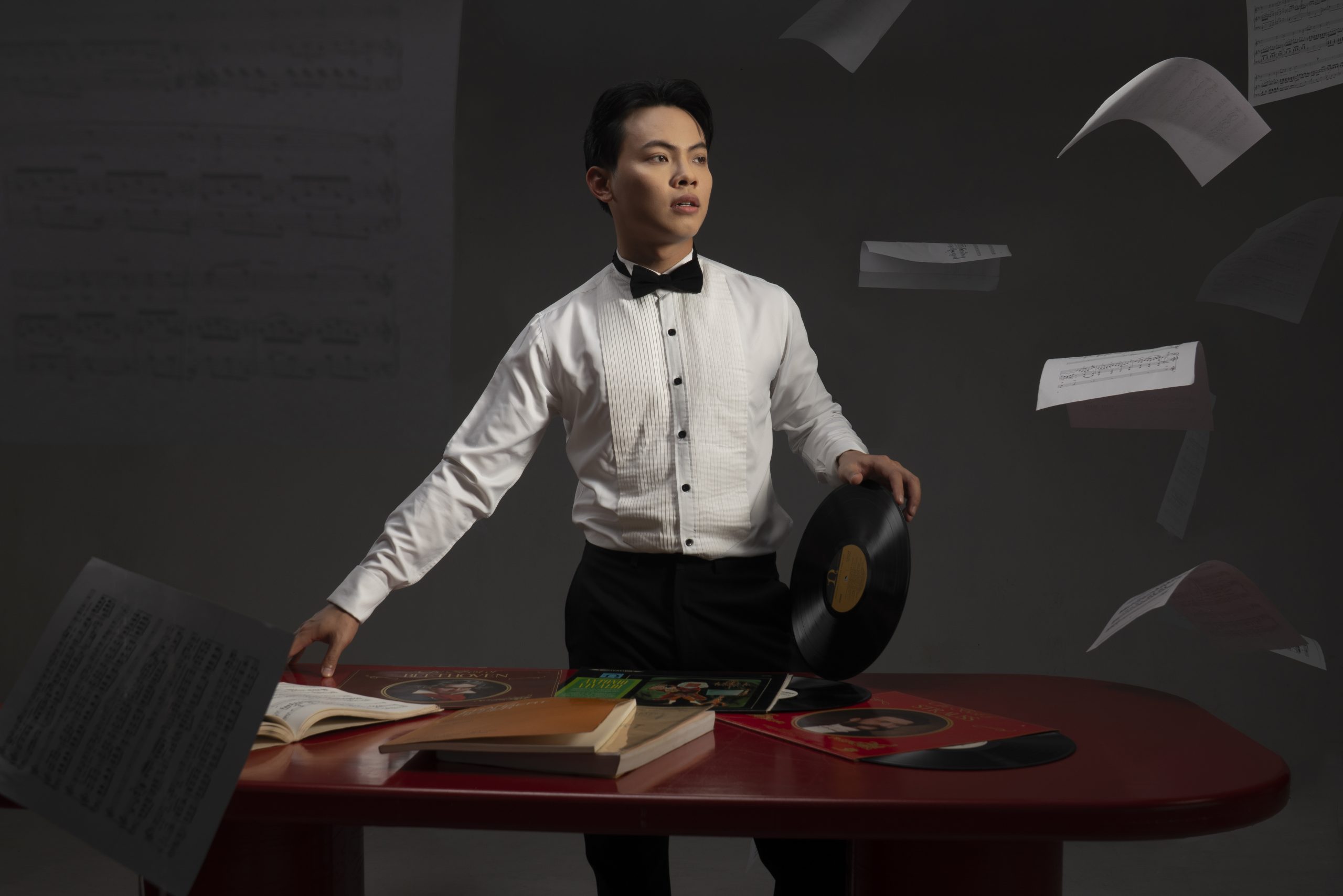
This makes him think of the line from the film Avatar: “I see you.” Here, “see” is not just to look but also to feel deeply the combination is what he calls “being seen.” For him, singing is a way to be seen, to understand himself and everything in life.
Each selected opera excerpt takes the audience on a multi-colored journey, exploring the richness and subtlety of melody in both comedy and tragedy: from the humor and drama of Mozart, to the passionate and fiery music of Verdi, to the lyrical Italian romance of Donizetti and Cimarosa, to the burning desire for love in the magnificent arias of Gounod and Lehár. Each aria, a solo vocal passage, acts as a doorway into a new world, where each audience member can discover small corners of their own inner self. The smiles, tears, or loneliness of a character transform into the feelings of the audience.
When listening to “E lucevan le stelle” by Giacomo Puccini from Tosca at the end of the recital, I unexpectedly cried. The character Cavaradossi, whom Thế Huy portrayed, is a painter tormented by the prospect of execution. On the night before his death sentence, he recalls a moment with his lover Tosca: “The stars shone and your fragrance… now I die in despair!” The moment Thế Huy collapsed onto the stage floor with the melody filled with the pain of a love extinguished touched me deeply, even though I could not understand the words. It seems that Thế Huy fulfilled his mission, not to force the audience to love opera as he does, but to allow them to be “seen” through the characters and stories.
A Journey of the Mind
During his studies in Australia, Thế Huy lived in a beautiful neighborhood. Sometimes he missed home and Vietnam, but the surrounding nature helped soothe his emotions. In times of stress or confusion, he often turned to the sea or trees to clear his mind and let strong emotions calm themselves.
Sometimes, he would lie on the beach doing nothing, letting his mind rest completely. When asked, “As a singer, what music do you listen to when stressed?” he would smile and say, “When I am most stressed, I do not listen to music.” For musicians, relaxation is sometimes not about listening, but about silence, which is also a form of music. It is when the mind is free to travel where it wants.
He admires Beethoven’s quote: “Behind the music, there is still music.” In a concert, when the last note fades, the silence that follows is still music, heard within the mind of each listener. John Cage’s 4′33″ exemplifies this. The performer sits at the piano without playing a single note, and the music becomes the ambient sound: chairs moving, coughing, rustling paper. In an open environment, everyday sounds become part of the composition. This helped Thế Huy realize that ordinary sounds can also become music. Music is not limited to symphonies; it exists everywhere.
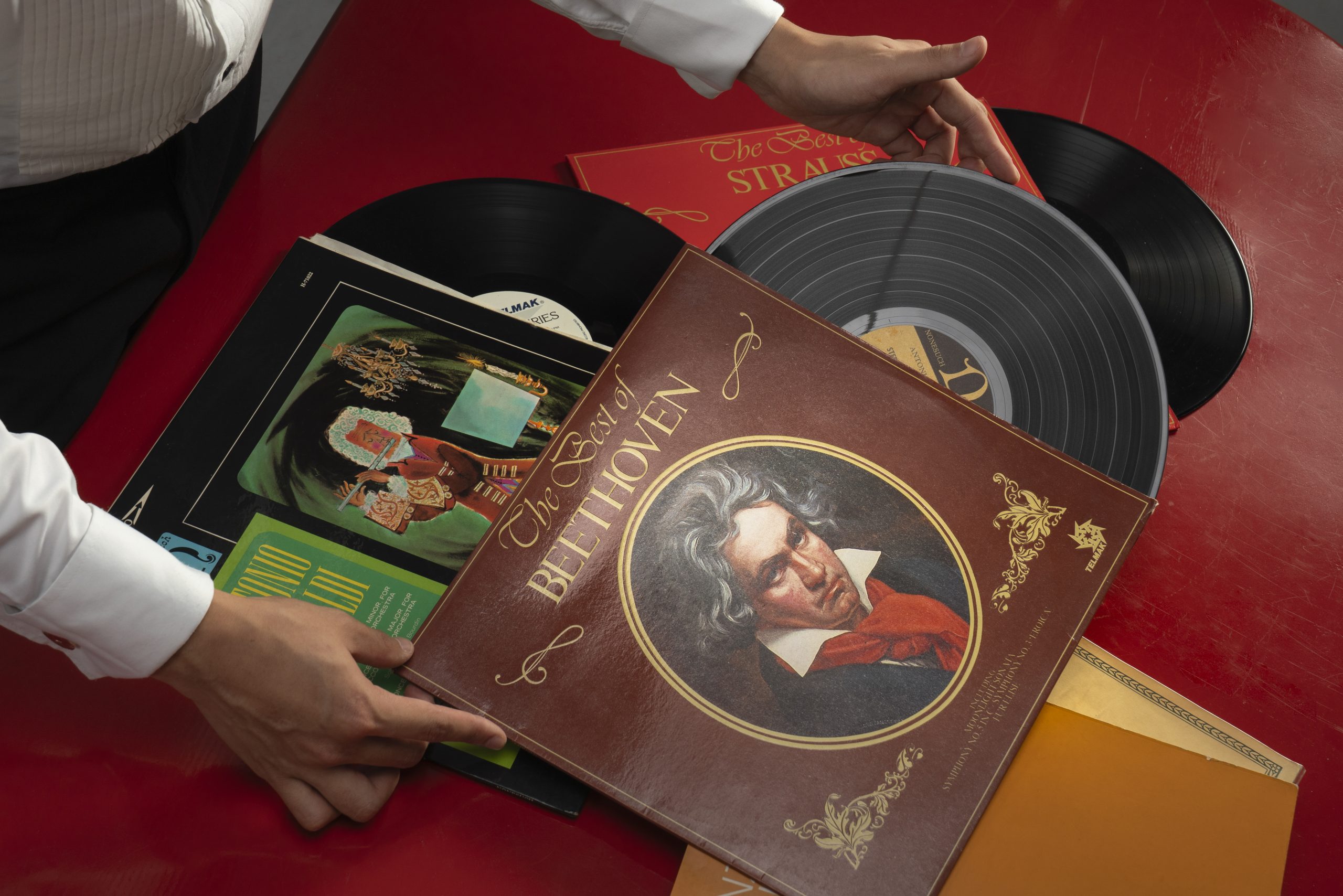
When seeking inspiration, he deliberately listens to music. Usually, he does not need to, because music is always around him. When he listens, he not only enjoys but unconsciously analyzes structure and harmony. Sometimes he hums without realizing it.
An opera performance requires serious discipline and training. Here, he allows his mind to travel imaginatively. “Images flash through my mind every second,” he says. “It’s a mix of the original work and the image of myself – the version I want to be when I perform that song.”
In opera, voice types often correspond to character traits. For example, soprano voices are usually associated with princesses or sharp, clever women. Thế Huy’s tenor voice often portrays male leads roles as handsome, romantic guys, loved at first sight. He sees many versions of himself through each role.
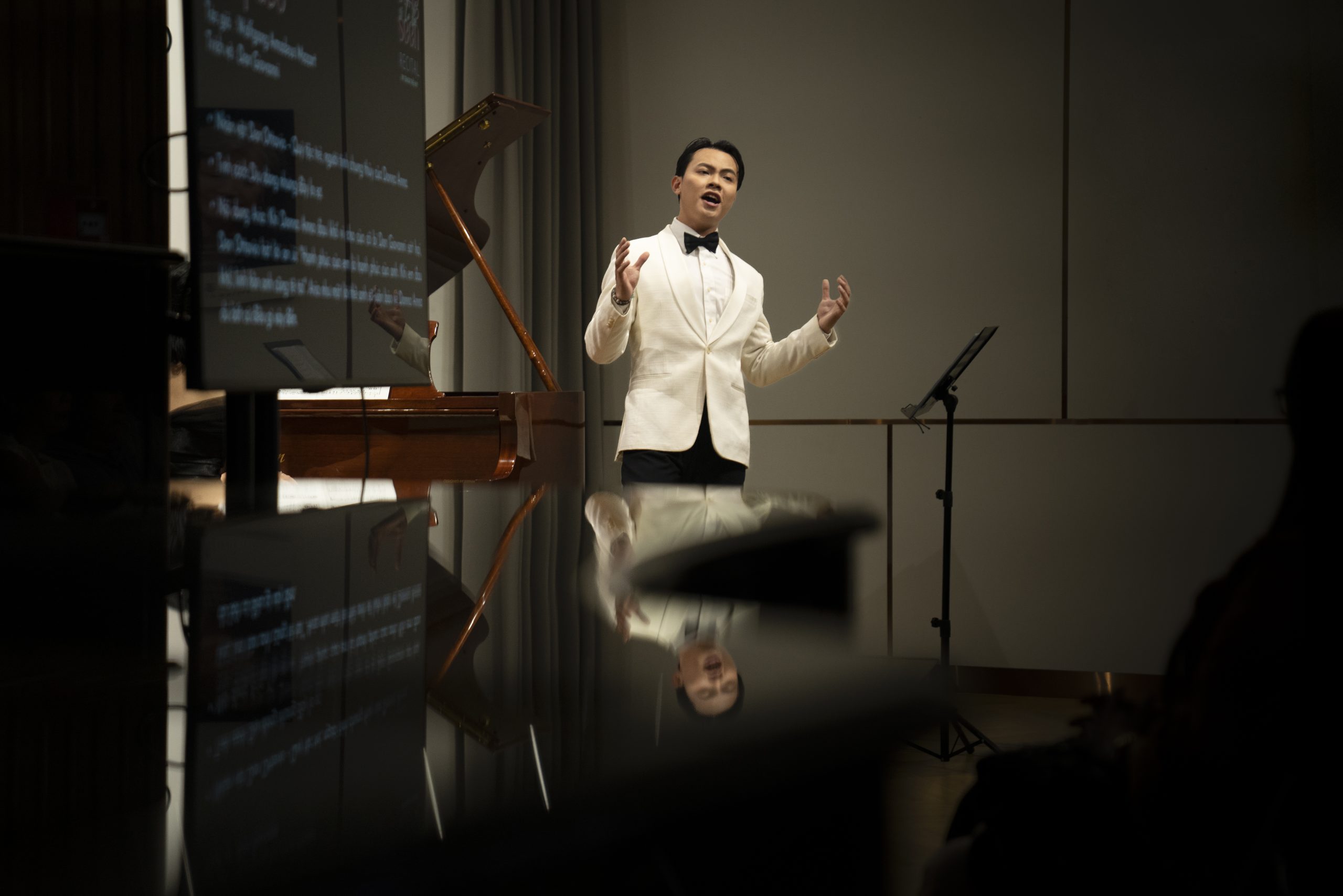
One of his performances with sopranos Linh Trần and Mai Vy made the audience laugh. He played Paolio, a hot-tempered but kind young man in love, in Domenico Cimarosa’s Il matrimonio segreto. Paolio complains about sudden illness, causing the naive Carolina and the ridiculous Fidalma to worry and suspect him, creating chaotic humor. The tension escalates as all three argue in overlapping, fast-paced melodies, conveying confusion and emotional turmoil.
Thế Huy travels between his imagination and that of great composers, inhabiting many characters from Paolio in a tangled love triangle, to the proud and tormented Sou-Chong in Franz Lehár’s Das Land des Lächelns, forced to leave Lisa to marry the Chinese princess, to young Sesto torn between loyalty to Emperor Tito and love for Vitellia in Mozart’s La clemenza di Tito. Each work is like a landmark in Thế Huy’s mind.
He also spends time exploring books. He has never been to Europe, yet most works he performs are in French, German, or Italian. To truly “see” and immerse himself in these cultures, he studies previous generations of artists and famous composers. Mozart, born in Austria, lived a life full of travel and upheaval. Chopin, born in Poland, composed across many countries. He studies the culture behind each language: the French dream, the German discipline, the Italian lyrical expressiveness. Italian words often end with vowels, giving a sense of flow and liveliness. Each language carries its cultural nuance, and understanding it is essential to conveying the musical spirit.
Belief in His Path
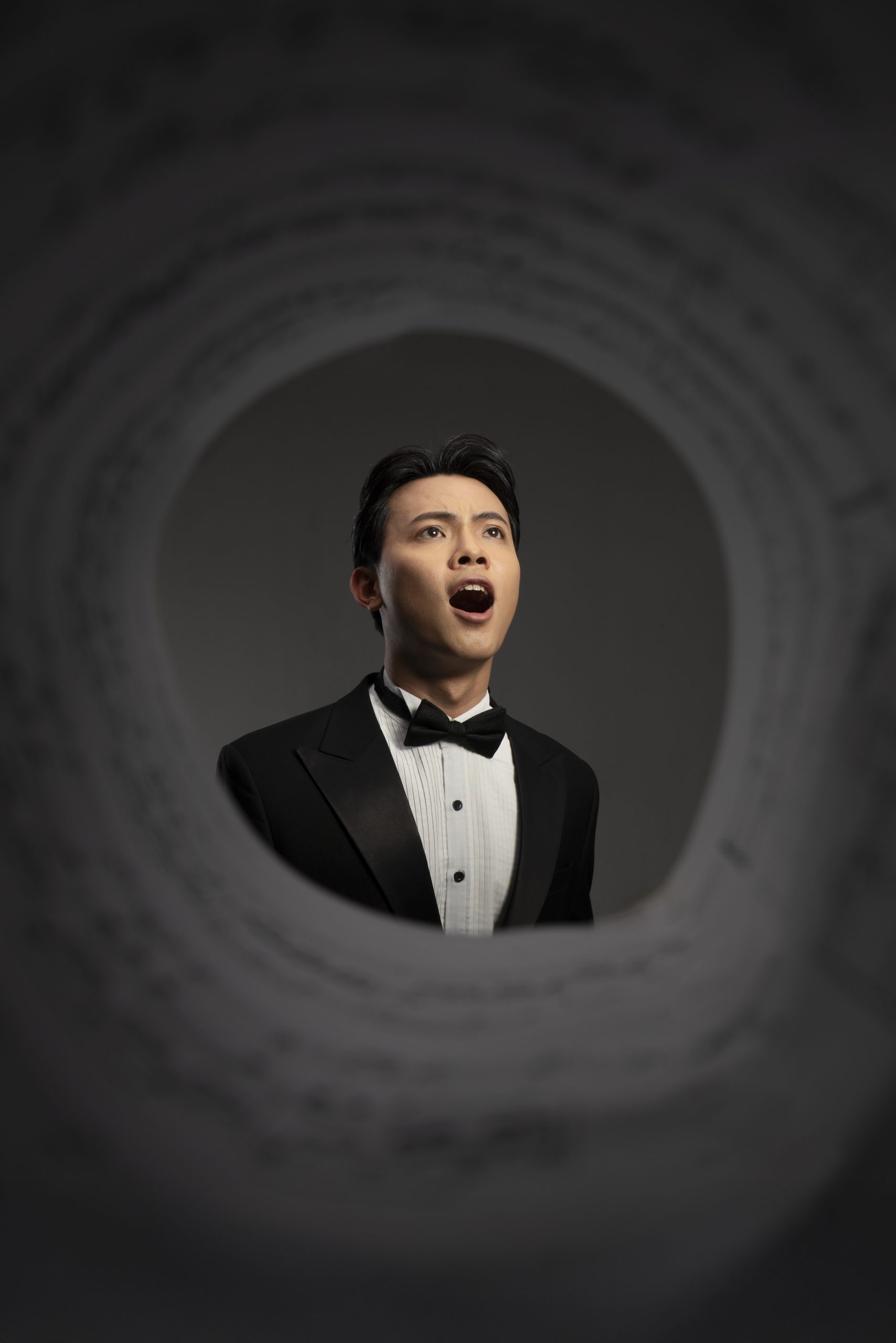
Looking at the intersection of European and Asian art, one can believe that classical music will never die. Classic works endure due to their artistic and cultural value.
Opera, though classical, is not rigid. Theaters continue to innovate, and performers leave personal marks on their roles. Even major theaters present the same work differently, sometimes with Japanese or Indian settings. A Vietnamese opera singer can trust the long road ahead.
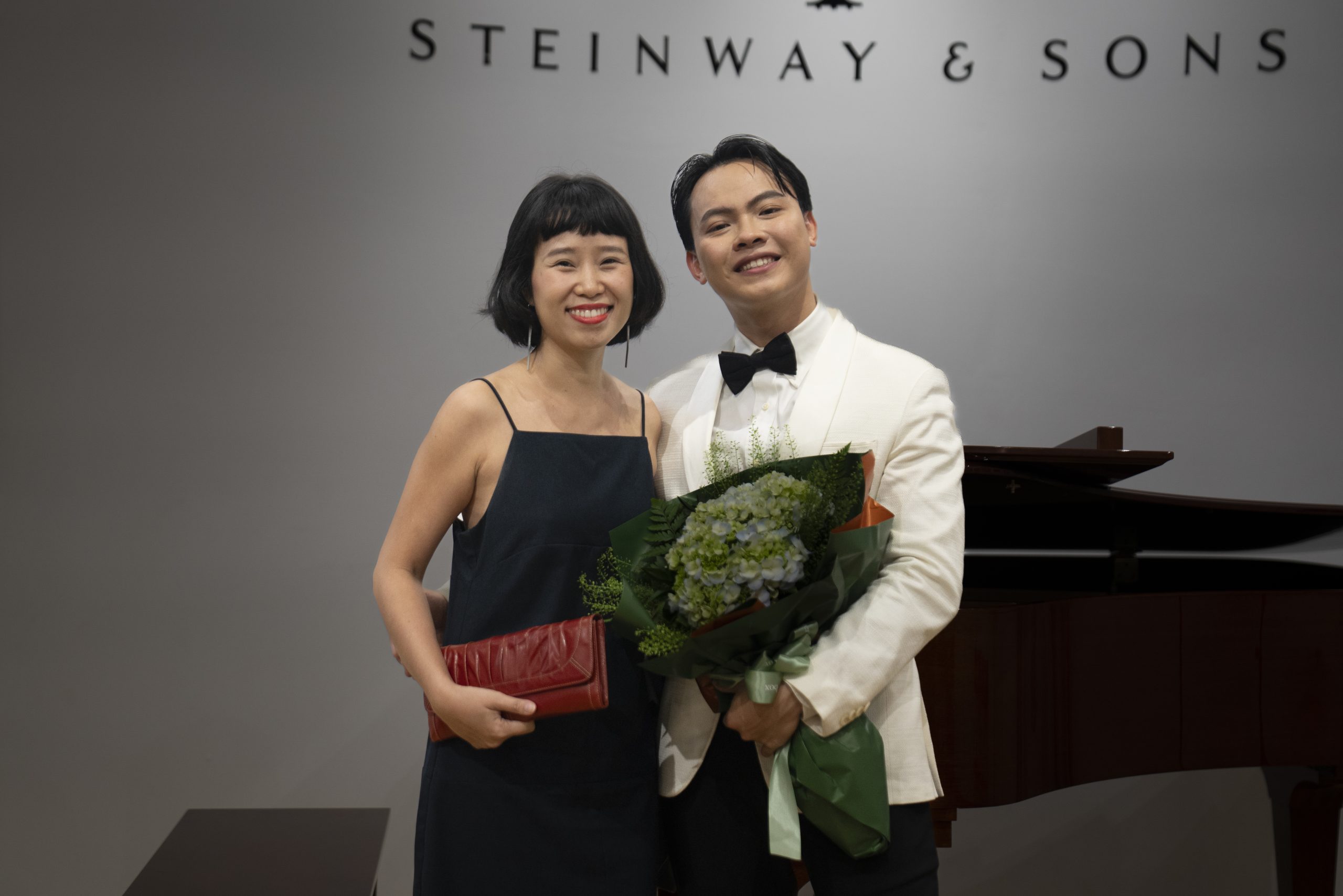
World-renowned opera singers train from a young age because classical music demands talent, endurance, adaptability, and receptivity. Just a year ago, Thế Huy was still finding his direction. Now, after ten years, he sees opera not only as a passion but as a career. His potential is clear: not only can he sing well, but he also acts naturally. Reflecting on his experiences and mental journeys through the universe of opera has guided his career progress.
Every day, Thế Huy aims to improve upon yesterday. He hopes to travel widely, admiring artists worldwide. A professional artist can schedule a full year in advance, knowing the December venue by January. He hopes one day to have a similar schedule, performing in a different country each month.
Finally, we agreed that although opera demands technical mastery and rigorous preparation, an opera singer must also maintain pure love for the art. Over-calculation and precision can stifle beauty. Some things come naturally, even naïvely, and it is that simplicity that produces the most beautiful results.
Originally published in Travellive Magazine
Photography: Ngọc Ánh


