Chef Võ Huỳnh Thanh Hùng: Nurturing a Dream
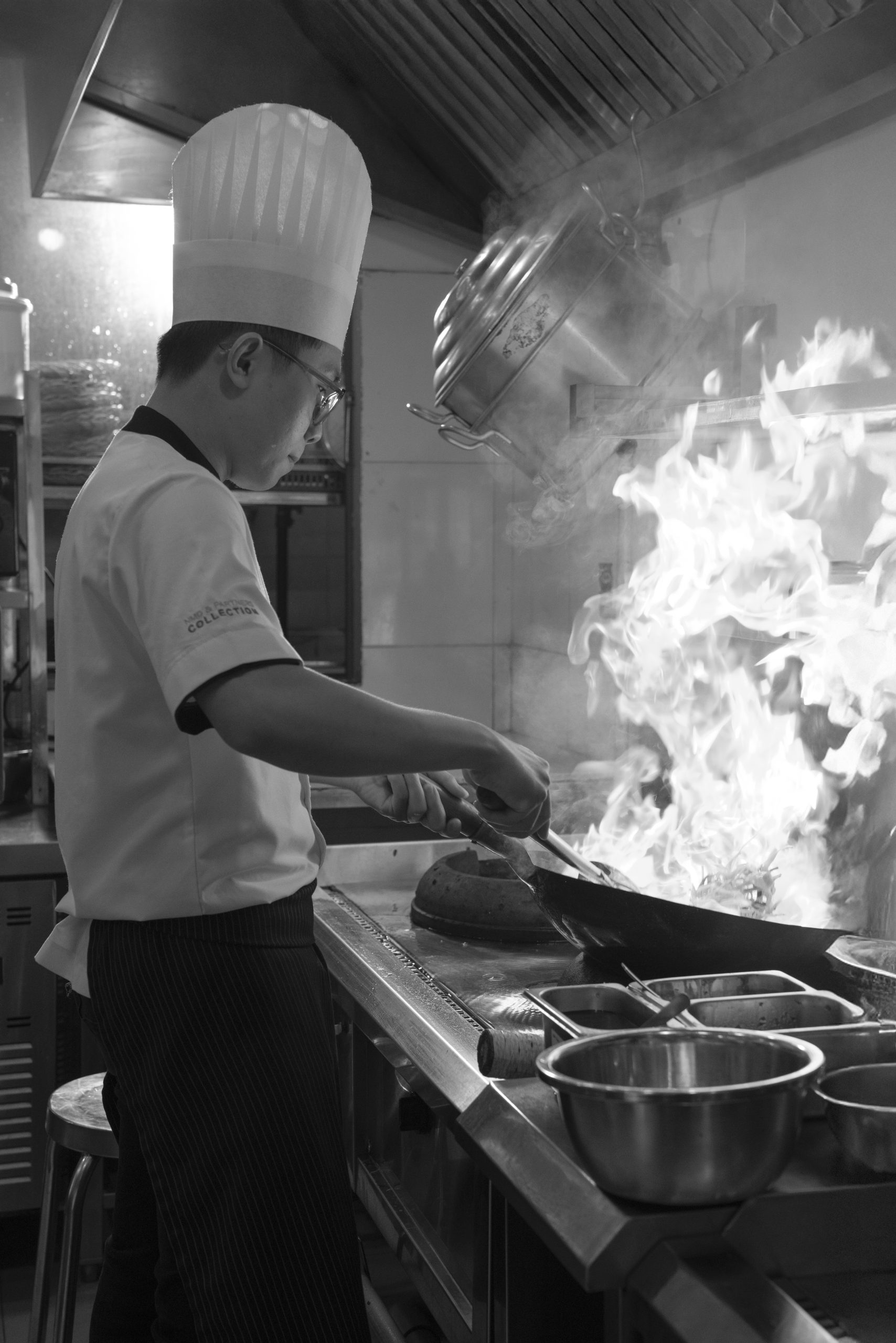
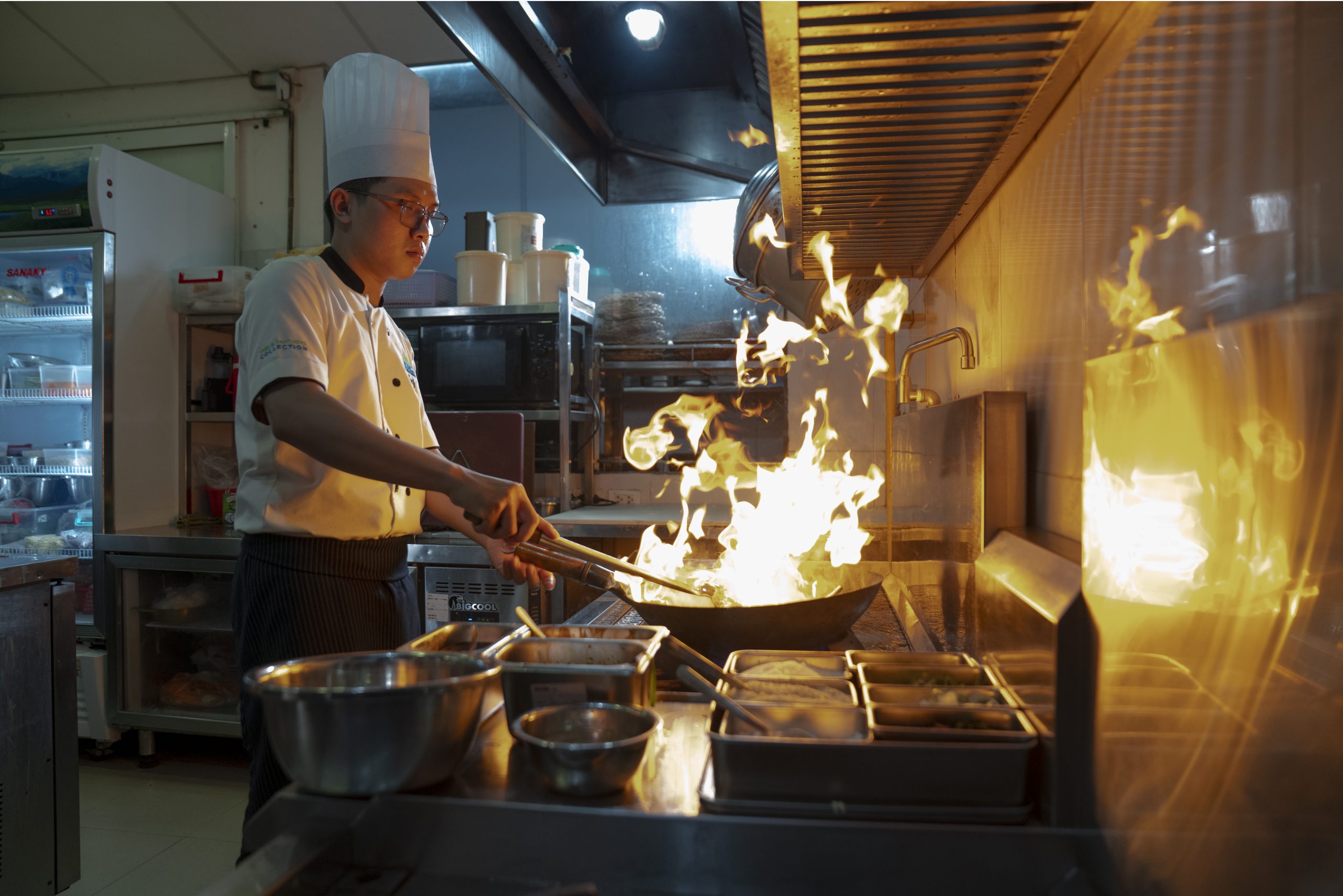
Chef Võ Huỳnh Thanh Hùng, born in the 1990s, is one of the most promising young talents in Vietnam’s culinary scene. He is currently the head chef of Chay Garden and plays a vital role in helping the restaurant maintain its Michelin Bib Gourmand recognition for three consecutive years (2023, 2024, and 2025). I have met both versions of Hùng: the intensely serious chef who devotes himself fully to his craft, and the gentle, unassuming young man who loves food from the deepest part of his heart. The “seed of goodness” in him comes from steady willpower and a quiet perseverance he has nurtured over the years.

The Philosophy of “Chay Lành” from Body to Mind
Though plant-based cuisine can feel limited in ingredients, vegetarian dishes can be just as flavorful and diverse as their meat-based counterparts. For many chefs, those restrictions become a source of creativity, pushing them to explore deeper layers of seasoning, balance, and technique to craft dishes that truly delight.
Hùng inherited the strong culinary foundation built by Chay Garden’s kitchen team over many years. With a willingness to listen, observe, and learn, he adapted to vegetarian cooking with ease. Ideas for ingredients or dishes often come to him unexpectedly: during a motorbike ride back to his hometown, while sitting at a streetside drink stall, browsing social media, watching cooking programs, or wandering through new places. Two regions have profoundly shaped his understanding of local cuisine: Đắk Lắk and Huế. In Đắk Lắk, he encountered rustic dishes made from leaves, seeds, and forest vegetables that, when combined, created bold and memorable flavors. In Huế, he learned the art of meticulous preparation. Huế’s cuisine is not only refined but deeply tied to the seasons, so the same dish can change its seasoning depending on the weather

Whenever he comes across an inspiring dish, Hùng often asks himself whether he can reinterpret it as a vegetarian version. He keeps an ongoing list of ingredients and ideas and frequently reads cookbooks and studies international cuisines to explore new flavor pairings. Every dish begins with a story or an experience, then gradually takes shape through experimentation. “The most important thing is not being afraid to ask questions or seek advice from colleagues,” he says. “Sometimes a single suggestion can open a completely new direction. Even junior cooks who used to work with me have shared ideas that I never expected.”
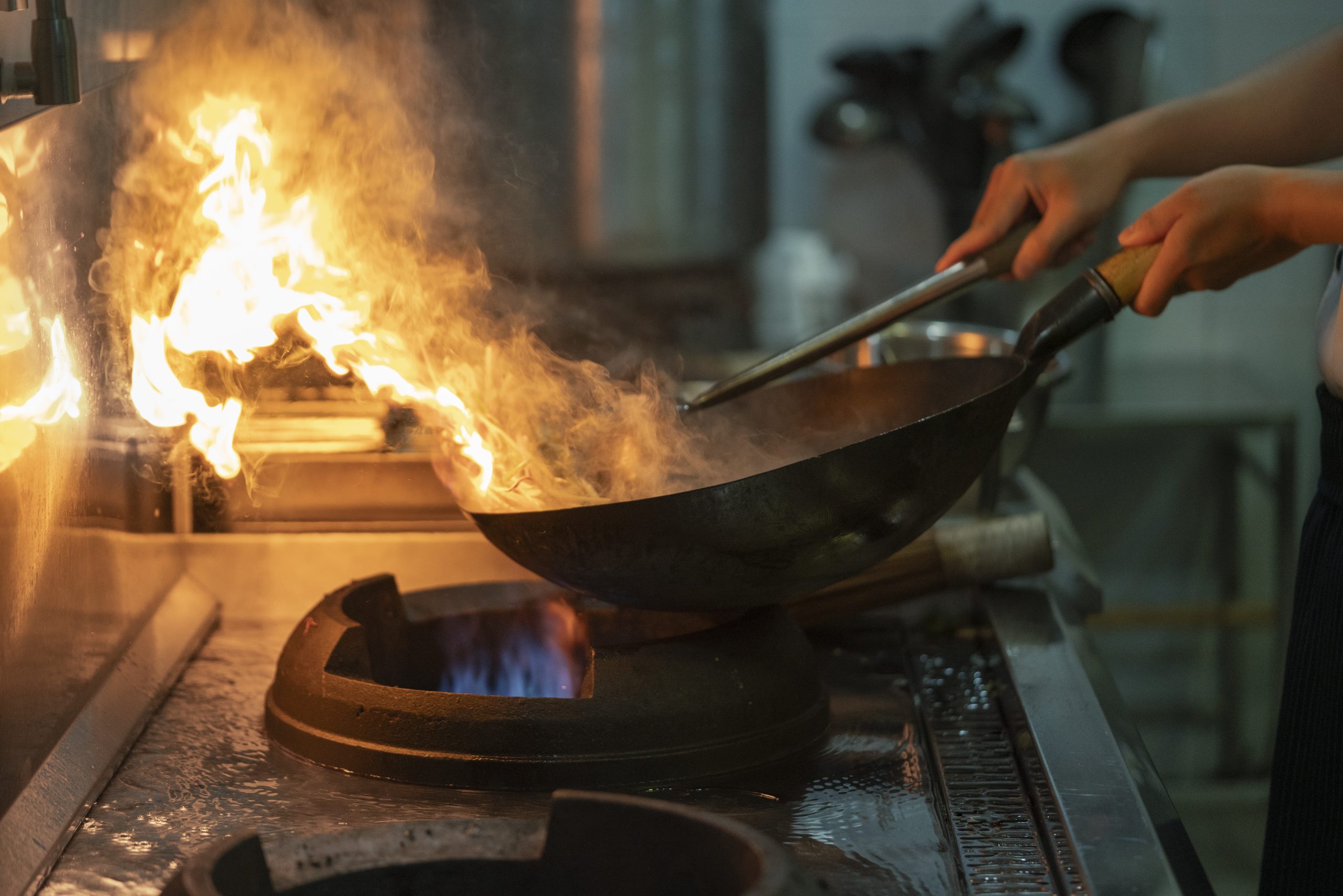
Taste adjustment is central to his work. A soup should be light and delicate; a braised dish must be bold and rich. There is no universal formula. Each dish has its own personality and deserves its own approach. When asked about the dishes he is proudest of at Chay Garden, he mentions four: gỏi khoai môn, cơm trái thơm, cà tím farci đút lò, and cà ri xanh. Their names sound familiar, yet under his hands they become the kind of dishes guests remember long after their meal.
In recent years, vegetarian dining has grown significantly as more people turn to healthier lifestyles and plant-based eating to restore balance. For Hùng, though, eating vegetarian brings “an nhiên” (a sense of inner peace). This comes from his Buddhist upbringing. As a child, he often visited temples with his grandmother. His family has strong Buddhist roots, and today his mother runs a small vegetarian eatery in Tiền Giang.
He believes vegetarian cuisine nurtures both body and spirit, not only for guests but for chefs as well. Cooking plant-based dishes encourages calmness, patience, and mindfulness. Everyone knows how intense the kitchen can be. As Anthony Bourdain once wrote in Kitchen Confidential: “The kitchen is a place that demands absolute discipline yet is chaotic enough to shatter your nerves.” But in a vegetarian kitchen, Hùng finds himself less irritable, more grounded, and more composed.
His personal definition of “lành” (goodness) is becoming a better version of himself each day. In a plant-based kitchen where everyone moves toward kindness, he does not believe in unhealthy competition. Instead, he believes each person has their strengths and should support one another. When someone takes on a task, they simply need to give it their best.
Family Memories Behind Every Dish
As a child, Hùng loved watching “Yan Can Cook” and quietly nurtured the dream of becoming a chef. He often asked his mother to buy ingredients so he could practice cooking. The first dish he served to his family that earned their praise was a simple plate of fried eggs. Ordinary as it sounds, young Thanh Hùng managed to give it a flavor that felt special. He carried his dream forward and began his culinary career in savory kitchens, working his way up from commis to sous chef and eventually head chef at well-known restaurants and hotels before joining Chay Garden.
Hùng has a gentle temperament and speaks little. He says he takes after his father in that way. At home, he talks most with his mother, while his relationship with his father is quiet but affectionate. They rarely exchange many words, yet the care between them is constant and unmistakable, expressed through shared meals and small gestures. Now living in Sài Gòn, Hùng often returns to Tiền Giang on weekends. When he is home, the family gathers to cook, and just like in the restaurant, he naturally takes the lead, assigning tasks to everyone.
After spending time with him, I realized that almost every dish he creates is somehow for his family. When choosing ingredients, he prioritizes specialties from different regions of Vietnam. As a child of the Mekong Delta, he often incorporates fruits and flowers native to the Delta into his dishes. He gravitates toward Vietnamese flavors, especially those connected to childhood memories or cherished family meals. The dish he misses most when away from home is his mother’s canh chua cá hú. Because he cannot always rush home to taste it, he learned to recreate it in a vegetarian form, keeping its distinctive sour, spicy, salty, and sweet notes. His hope is to include such dishes on the menu so that guests can feel the warmth of family through food.
At the same time, he skillfully blends ingredients from northern and central Vietnam with influences from Asian and European cuisines to enrich his dishes. His strength lies in adjusting flavors to suit Vietnamese palates. He recalls once cooking a European-style dish for his family, only to realize they preferred more familiar flavors. “I was a little disappointed,” he says, “but I also understood that taste is deeply rooted. Since then, I’ve wanted to create dishes that are imaginative and fresh but still close to home, especially for Vietnamese families like mine.”
Of course, there were times when he felt discouraged and considered giving up. Whenever that happened, he remembered the dream he planted as a child, and the family members who quietly supported him through every step. Those memories remind him that the life of a vegetarian chef is not only a personal journey but a way to spread kindness and create positive change for his community and the people he loves.
Gỏi nấm khoai môn xốt chanh dây
Signature Chay Garden’s Salad (fried taro, bunashimeji, enokitake, straw mushroom, carrot, cucumber, served with passion fruit sauce and in deep-fried rice paper)

A refreshing harmony of crisp mushrooms, thinly sliced vegetables, and fragrant roasted rice powder. Fresh mint brightens the dish while crunchy fried taro adds rich contrast. Everything comes together under a tangy, sweet passion fruit dressing.
Cơm chiên trái thơm
Fried rice with fresh pineapple, shiitake mushroom, raisin, beans, peas, and vegetables, served in grilled pineapple
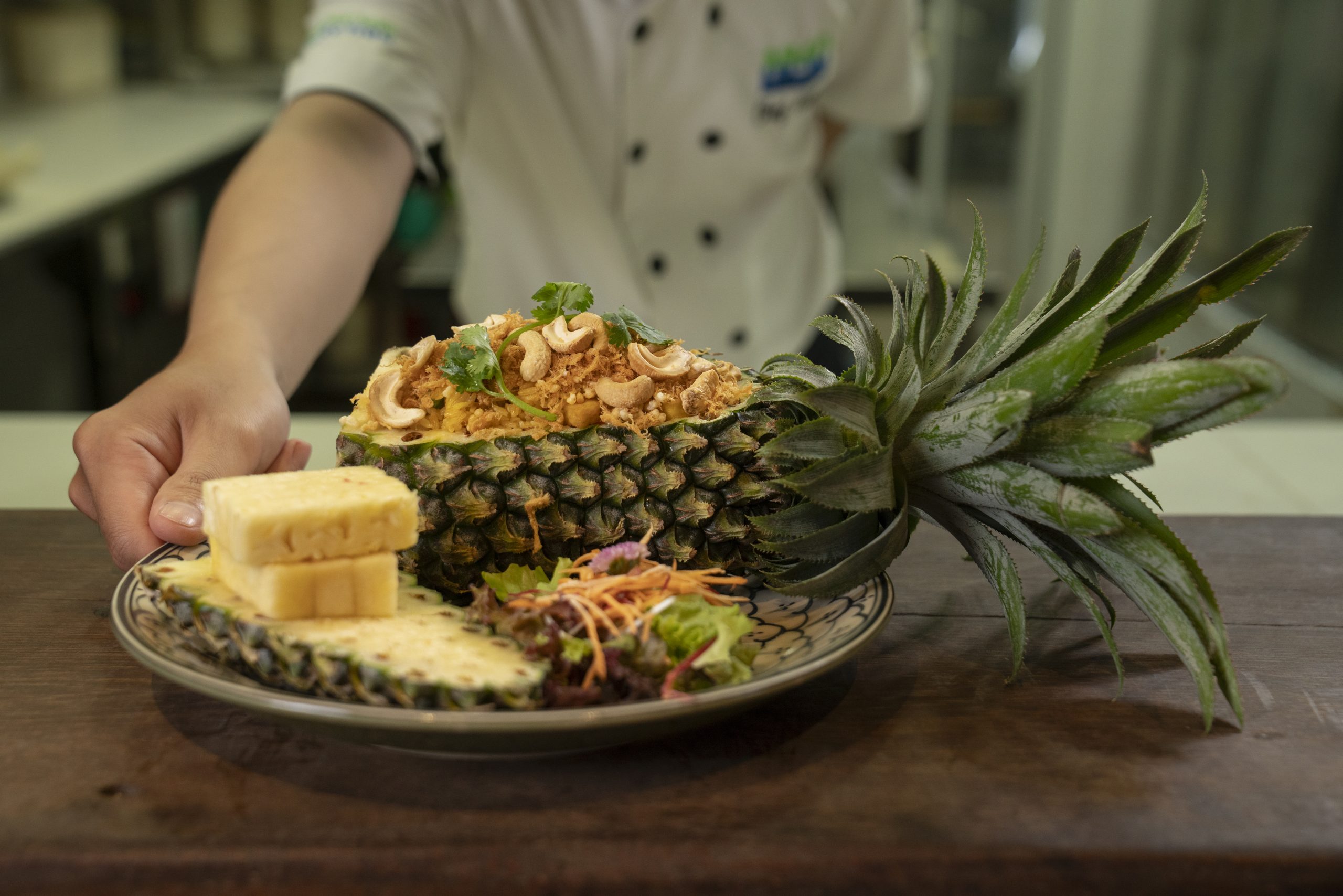
Vibrant in both color and flavor, this dish features fluffy rice stir-fried with seasonal mushrooms, golden tofu, baby corn, and shredded vegetarian floss. Fresh pineapple lends natural sweetness and aroma, while toasted rice and cashews add crunch.
Cà tím farci đút lò
Baked farci eggplant served with crunchy toast

A fusion of Vietnamese comfort and European charm. Eggplants are hollowed, filled with minced shiitake, breadcrumbs, and vegetarian fish sauce, then baked with a rich tomato base. The result is tender, fragrant, and lightly nutty with a touch of scallion oil.
Cà ri xanh
Green curry with mixed vegetables, breadfruit, okra, French peas, sweet potato, taro in coconut milk, served with rice noodles or hot mini baguettes

A Southeast Asian-inspired curry built on coconut milk and green curry paste. Breadfruit, taro, and sweet potato offer comforting creaminess, balanced by bright vegetables and a gentle heat that lingers softly.
FEATURE: NURTURING GOODNESS
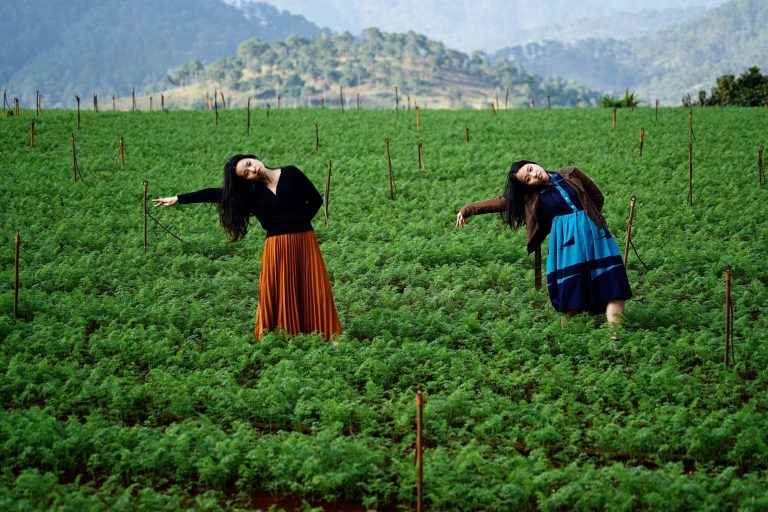
Somewhere inside each of us is a “seed of goodness.” To nurture it is to cultivate gentleness through patience, faith, and love: a heartfelt home-cooked meal, a look free of judgment, a timely word of encouragement, or the quiet space for someone to simply be themselves.
“Nurturing Goodness” tells the story of a chef who cooks not only to nourish the body but also to care for the spirit; a son who grew up with little yet chose love and the hope of building a joyful family; a young man wandering far and wide only to learn that “good soil” has always been within his own heart.
And perhaps, as you walk through his story, you may recognize that you too are nurturing something gentle inside yourself, for your loved ones or for the world, even if you must wait a very long time before the season of harvest arrives.
Originally published in Đẹp Magazine, Issue 298
Words: Lê Ngọc
Photography: Ngọc Ánh
Stylish: Võ Đoan Trang
Production Assistants: Viết Hương, Chung Min