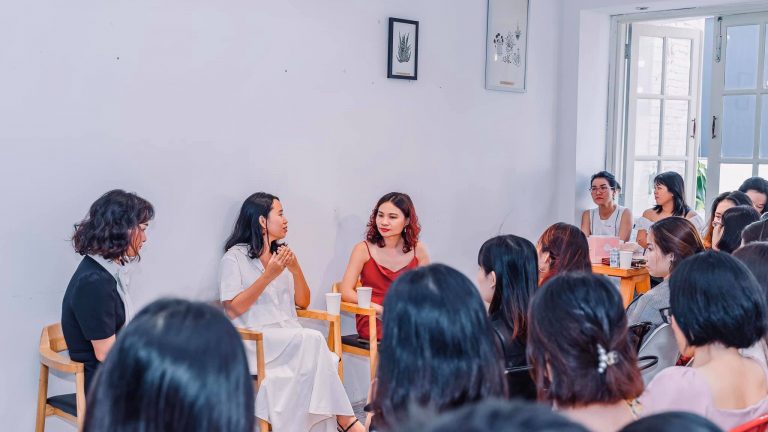
Poet Nhược Lạc: The Seeds of Happiness
Nhược Lạc, author of the poetry collection “Cơm nhà nói chung là êm”, seems forever associated with gentle family memories, which are perhaps the things she treasures most in life. To her, the people living together under one roof are individuals tending the same tree. Their free time and nurturing skills may differ, yet over the years, none of them has ever allowed that tree to lose hope.
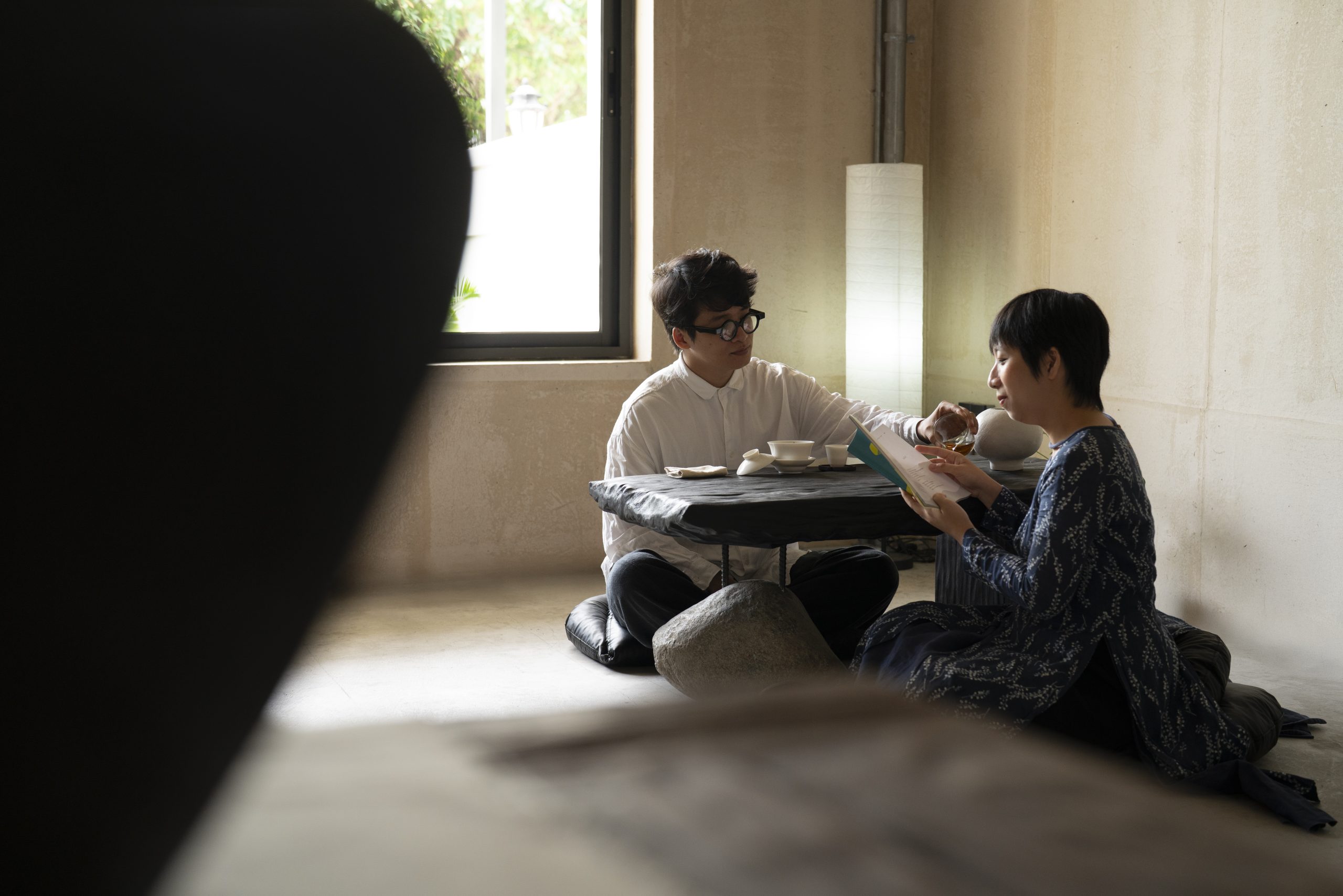
Mother and Daughter
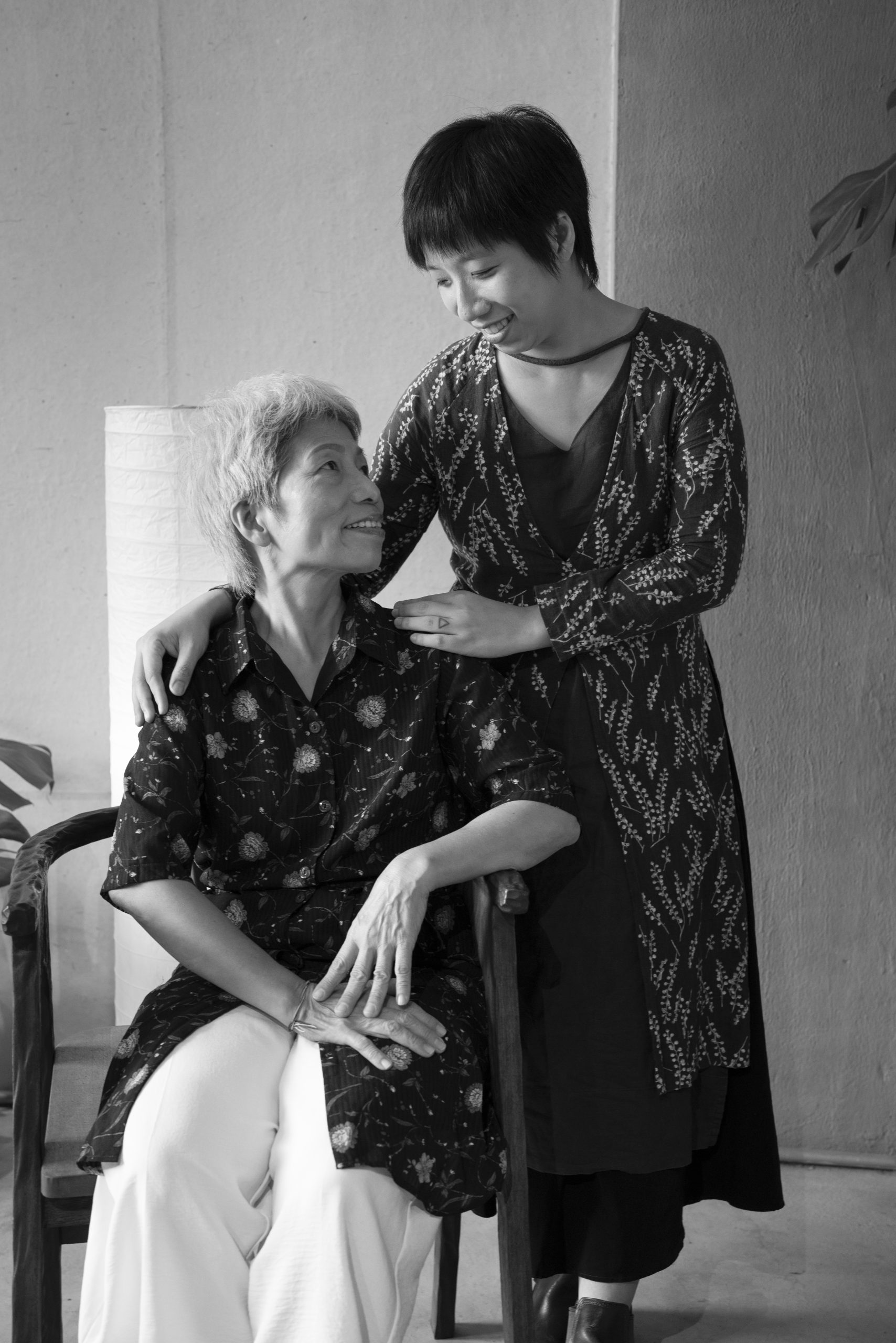
I remember the first time I met Nhược Lạc: she was shopping with her mother in a small store that sold kitchen décor. From time to time, they exchanged a few soft comments about some pretty little item and burst into quiet laughter, then wandered off to look around again. Their faces and smiles were almost identical. Even in their silence, I felt a deep connection between them.
Much later, when Lạc opened up to me, I learned that there were things between her and her mother that were difficult to express. They are two different generations. Her mother worked endlessly to make ends meet, while Lạc grew up quickly to take care of the family. Responsibilities a child should never have to shoulder ended up falling on her very early. The distance between parents and children is always mysterious in that way. Different expectations and unspoken hurts can make a relationship feel weary. Yet beneath the misunderstandings lies affection. When it is nurtured from both sides, in one way or another, that affection grows like a wide canopy, quietly sheltering and connecting everyone beneath its shade.
She remembers being younger than ten and learning to cook so her mother would not have to worry about dinner after work. The little girl went to the market and shyly asked the vendors, “What do I need to make this dish, and how do I cook it?” The first dish she ever made successfully was a tangy green-plum soup with minced pork, fragrant with scallions and full of love. She and her mother also had what they called “Union Days,” when they allowed themselves to be lazy, strolled to the end of the alley for a bowl of noodles, and visited someplace fun together. They always cared for each other, sharing joys and troubles in the ways their hearts knew best.
Recently, Lạc decided to move into her own home with her husband and two young children. The new house is just a short distance from her mother’s, so they still visit often. It was a personal decision she could not make before because life demanded too much. Now that she is a daughter, a wife, a mother, and a working woman, she realizes she needs to prioritize herself. She needs space of her own, a quiet moment away from everything, simply to return to being herself.
At first, she worried that moving out might make her mother lonely or unsettled. Thankfully, everything turned out fine. Lạc began tending to her own life, and her mother found new joys, joys that no longer depended on her children, but grew from a sense of self she should have had long ago. “When you have many people to love,” Lạc says, “you just adjust the way you care for them, the degree of attention, the way you express your feelings. At the core, you are not changing. You are simply rearranging.”
Kindness as the Taste of Love
Lạc believes that the spirit of a family does not appear on its own. It is nourished by quiet seeds of happiness passed from generation to generation, from grandparents to parents, then to their children. To help these seeds take root and reach for the sun, she believes that in ideal circumstances, each person should cultivate a balanced rhythm of life. In real circumstances, when work is intense, hours are long, and pressure is heavy, the best approach is to make use of small pockets of time and focus on small acts.
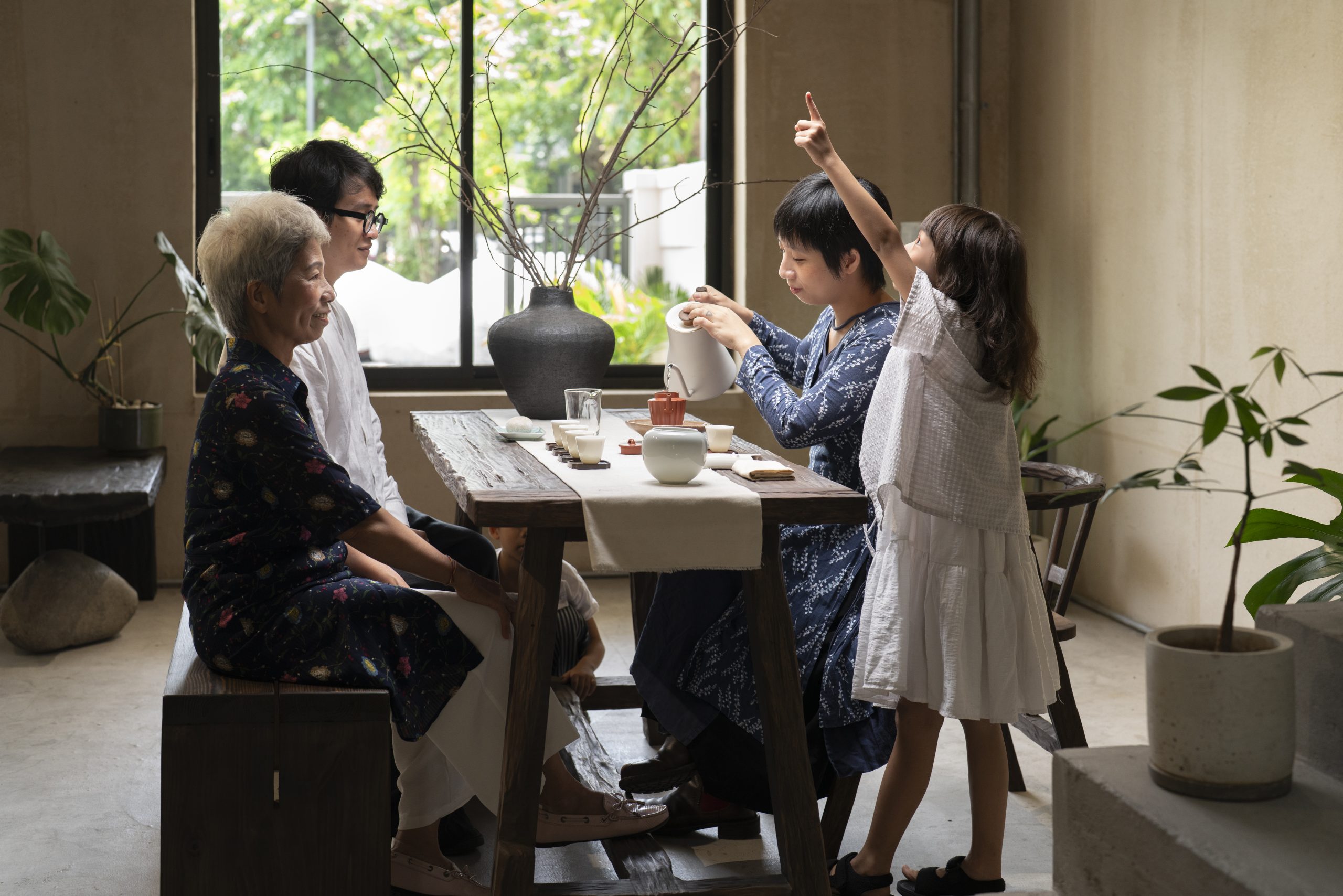
When the children say, “We just want to hug you and wish you good night,” the whole family simply gathers for a hug. If there is a little more time, they tell a short story. With a bit more, they build Lego together. When they have an hour to spare, they play in the park, climb, or scoop sand. And when time opens even wider, they take the boat along the river, ride a double-decker bus, or enjoy a good bowl of curry. The length of the moment may change, but affection is always there. Even on soil that is not particularly rich, a kind tree can still grow.
To her, “lành” (goodness) evokes the sapodilla tree her grandfather planted on the day she was born. By the time she was old enough to say its name, the tree had grown tall enough to bear its first sweet fruit.
“Lành” is also the taste of jars of salted apricots and pickled dracontomelon in summer. It is the feeling of running in the heat, then rushing home just in time for lunch where a perfectly chilled glass of her mother’s drink is waiting. She once thought those childhood flavors would last forever.
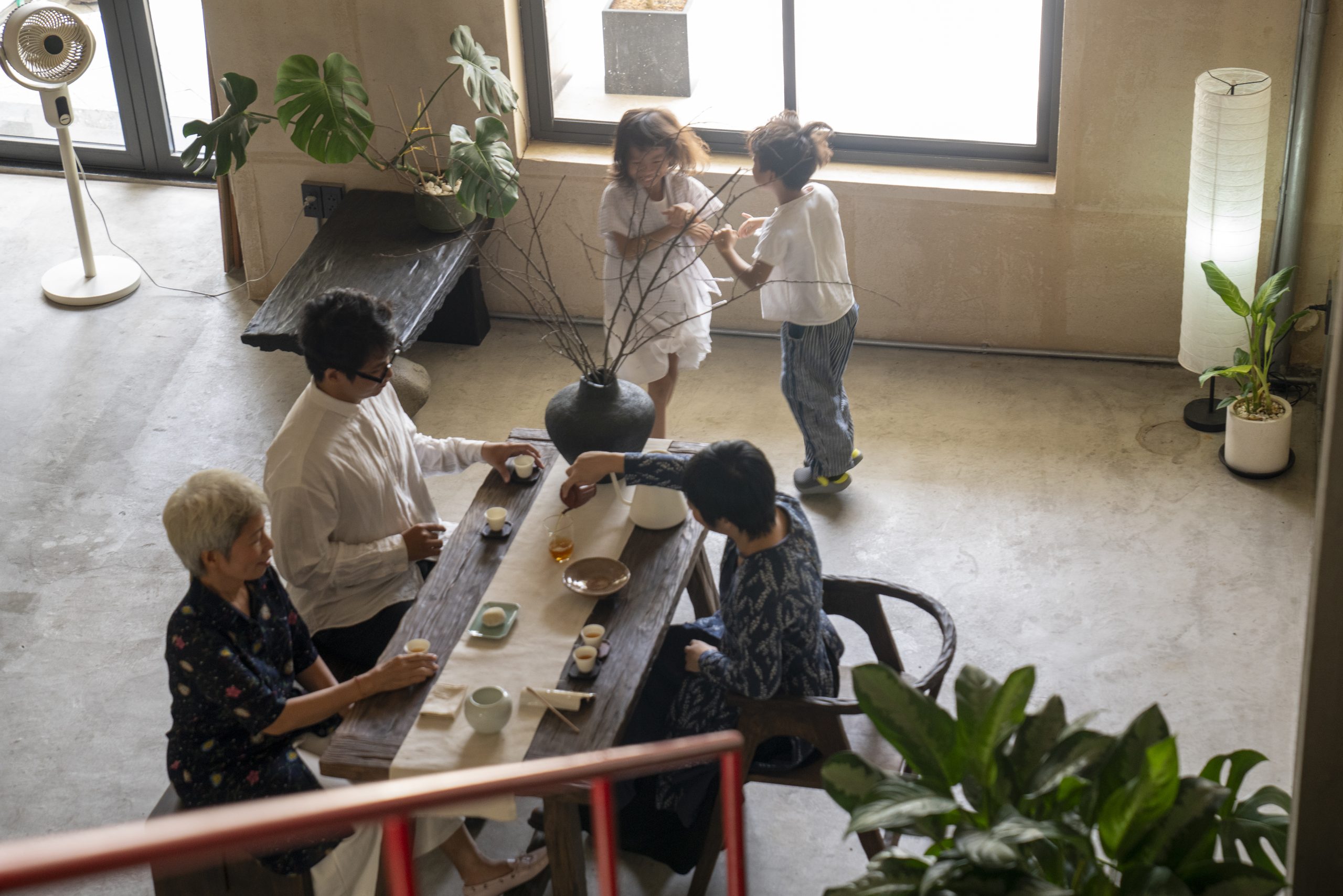
Above all, “lành” in her memory is the family meal. Every time they sat together at the table, she tried to remember every detail: the bold aroma of braised fish, the cool green of stir-fried fragrant flowers freshly picked from the garden, and the herbal tonic her mother often gave her “to grow quickly.” The definition of a family meal changes over time, sometimes four people, sometimes only two, then expanding again to include her husband and children. But after every meal, they still stay together a little longer.
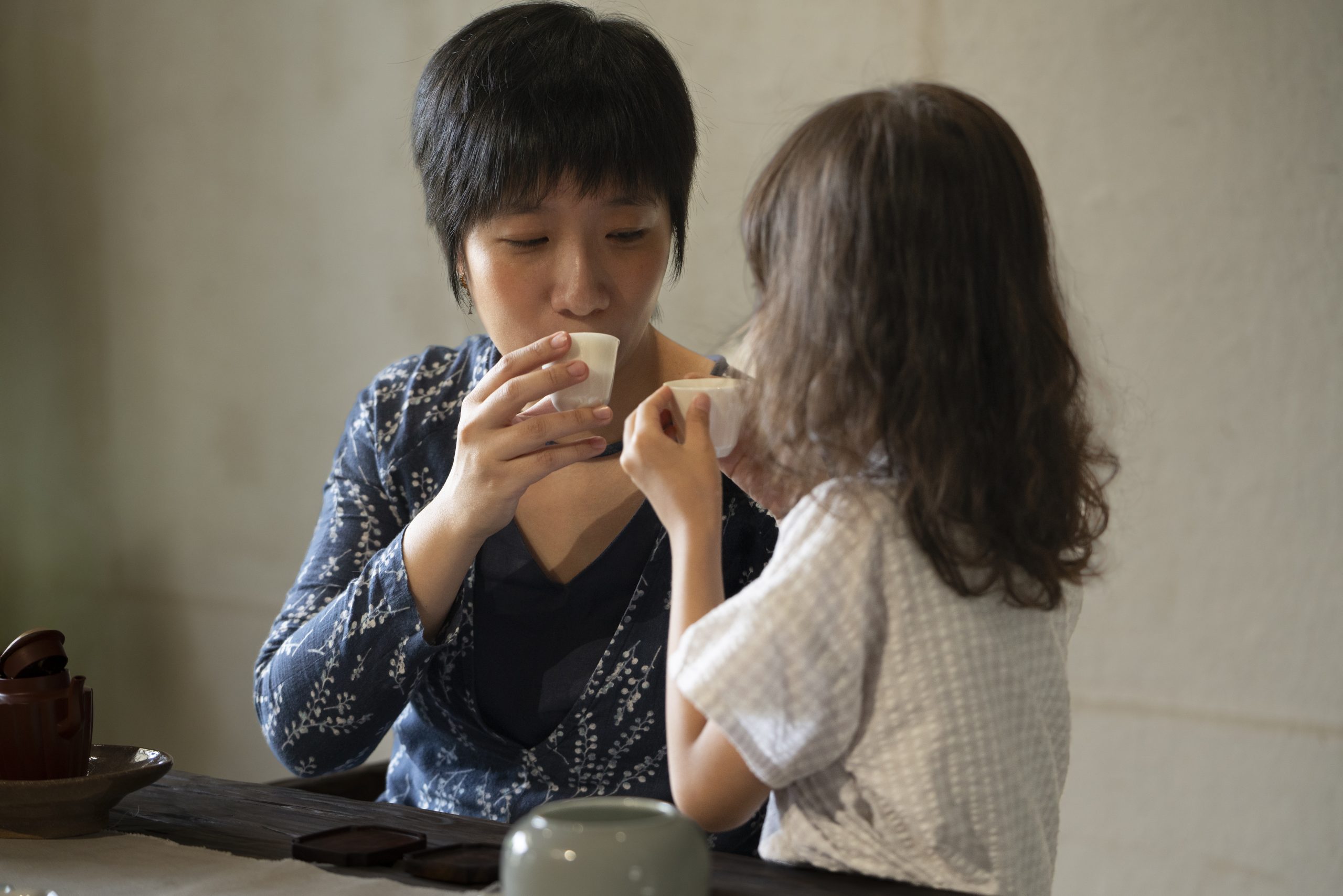
Afternoons like these are tender and warm: two young heads beside her mother’s silver hair, the children running around, occasionally rushing over to ask for a sip of tea. They are playful yet gentle, not noisy at all, always hovering near their grandmother. They laugh brightly as she lifts them into her arms and spins them under the golden light. It is a childhood memory so simple and so beautiful that nothing else compares. The atmosphere among the three generations is full of warmth and harmony—a rare kind of bond.
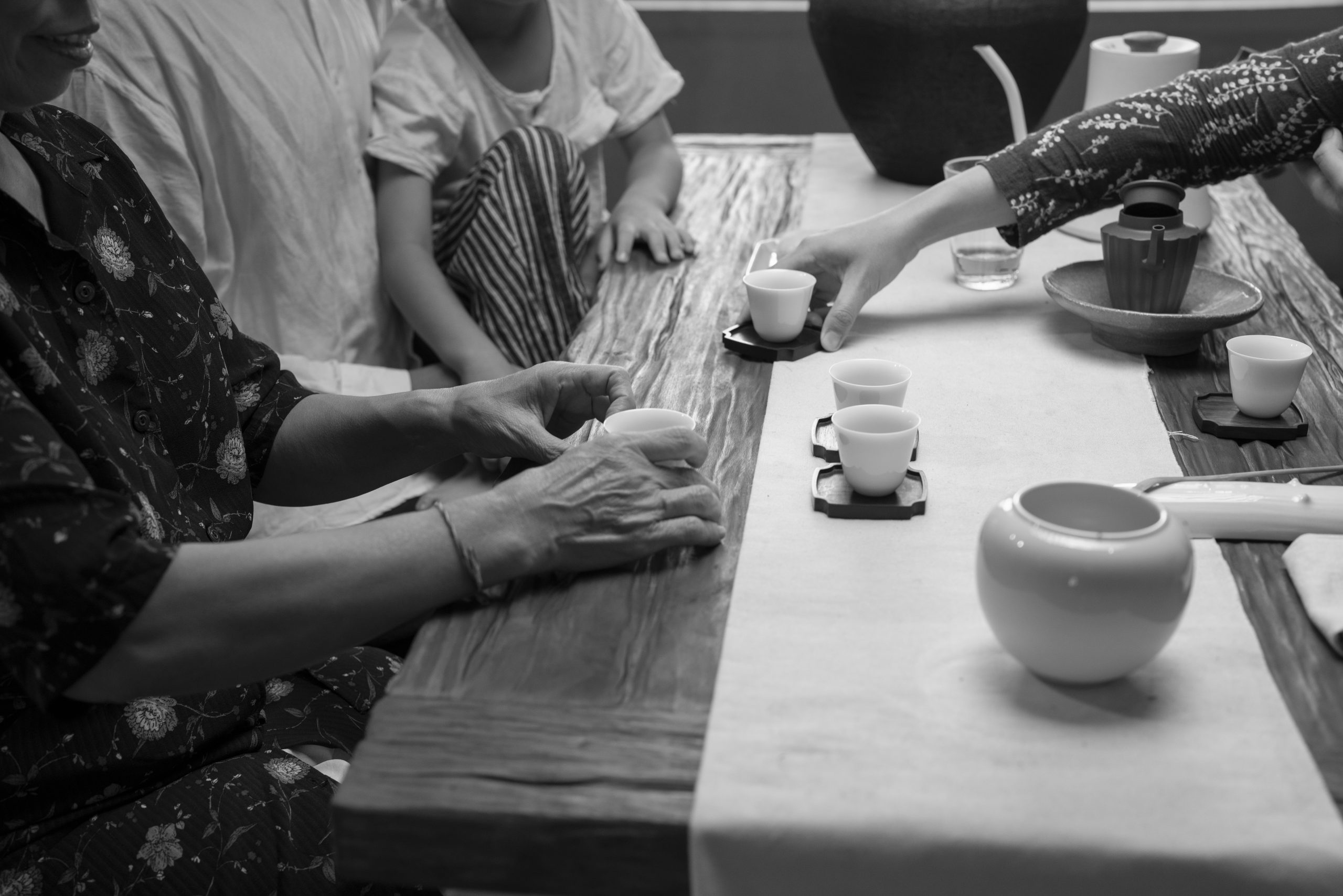
Lạc recalls an unforgettable moment when giving birth. As the doctor placed the newborn on her chest, she suddenly felt the child was a completely independent being. She realized she was simply the one fortunate enough to bring this life into the world, then walk alongside the child as they grow. Perhaps that is why others can easily see something special in her family: from adults to children, they all carry a youthful spirit. They play together and live together like friends. There is no rigid division of “parents” and “children,” but rather a group of companions discovering life side by side.
FEATURE: NURTURING GOODNESS
Somewhere inside each of us is a “seed of goodness.” To nurture it is to cultivate gentleness through patience, faith, and love: a heartfelt home-cooked meal, a look free of judgment, a timely word of encouragement, or the quiet space for someone to simply be themselves.
“Nurturing Goodness” tells the story of a chef who cooks not only to nourish the body but also to care for the spirit; a son who grew up with little yet chose love and the hope of building a joyful family; a young man wandering far and wide only to learn that “good soil” has always been within his own heart.
And perhaps, as you walk through his story, you may recognize that you too are nurturing something gentle inside yourself, for your loved ones or for the world, even if you must wait a very long time before the season of harvest arrives.
Originally published in Đẹp Magazine, Issue 298
Words: Lê Ngọc
Photography: Ngọc Ánh
Stylish: Võ Đoan Trang
Production Assistants: Viết Hương, Chung Min