Deaf Dancer Anna Hương: Mother Cannot Speak, Child Cannot Hear, Yet Mother Loves
As a child, even though she could not hear sounds, Anna was drawn to the movements of children dancing on TV. Her mother enrolled her in traditional dance classes, but because she could not hear the rhythm, Anna could only memorize the movements and follow her partners to imitate. It was not until recently, approaching forty, when she encountered contemporary dance, that Anna began to feel the vibration of sound through her body, continuing to pursue the dream she had as a child. It can be said that she spent half her life waiting for the chance to touch her dream. Yet without a mother with a generous heart, perhaps she would never have dared to dream.
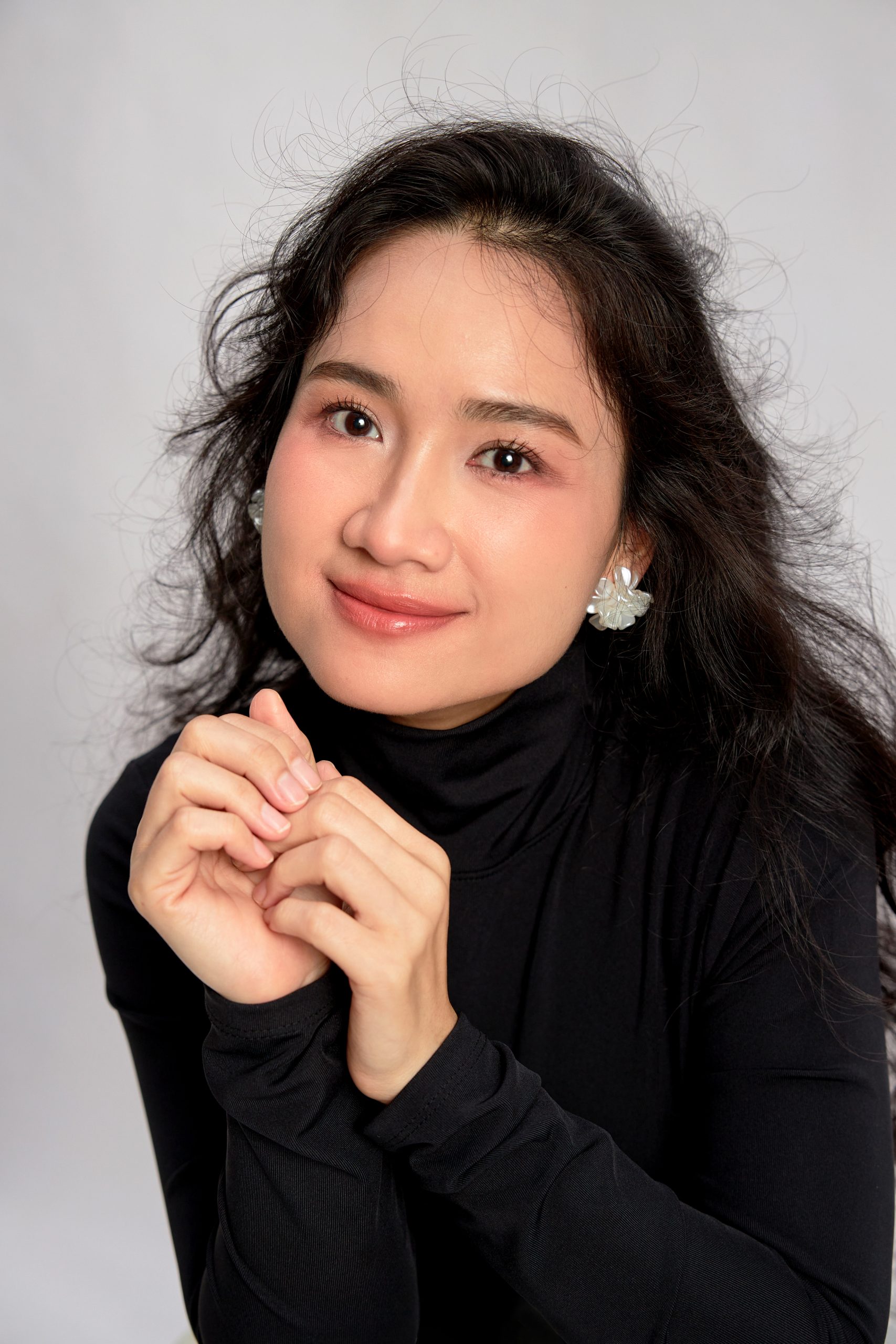
Anna moved to Saigon when she was five years old, after her mother sold their house in Hai Phong so she could access proper schooling. In the 1980s and 1990s, there were no schools for deaf children in Hai Phong. More painfully, Anna’s disability was not accepted in the rural village where she was born, which left her mother with no choice but to leave despite her heartbreak. Today, Anna lives a stable and happy life with her husband and son, while her mother has moved to Hanoi to live with Anna’s younger brother. Even though they now live far apart, Anna stays closely connected with her mother through frequent messages.
As a child, communication between Anna and her mother was challenging. Her mother did not know sign language, often holding Anna’s hand, pointing at objects, and using mouth shapes combined with eye contact to ask questions, for example, “Do you want to drink?” Anna would nod or shake her head in response. Even now, her mother still does not know sign language. When video calling, they point to the screen or use gestures as if conversing, but still do not sign. Anna can pronounce some words, but not clearly. For instance, when calling her mother via Zalo, she tries to say “mẹ,” but it sounds like “mê.” Her mother finds these recordings cute and amusing.

Her mother taught Anna the first letters by helping her trace them in a workbook. Thanks to her mother acting as her teacher, Anna was able to attend first grade. Now, her reading and writing skills are stable. She can write letters to her mother, although figurative expressions remain difficult.
Every time Anna achieves something, however small, her mother cries with happiness. Like when Anna attended her first dance performance, or when she spoke about the rights of people with disabilities at the Ho Chi Minh City Deaf Club. Once, when her mother was sad, Anna lay beside her and saw her crying, wiping tears, with papers scattered everywhere. Anna quietly gathered the papers for her mother. Mother could not speak, and child could not hear. Yet occasionally, Anna could sense what made her mother sad and helped solve the problem, leading her mother to cry again—this time tears of joy.
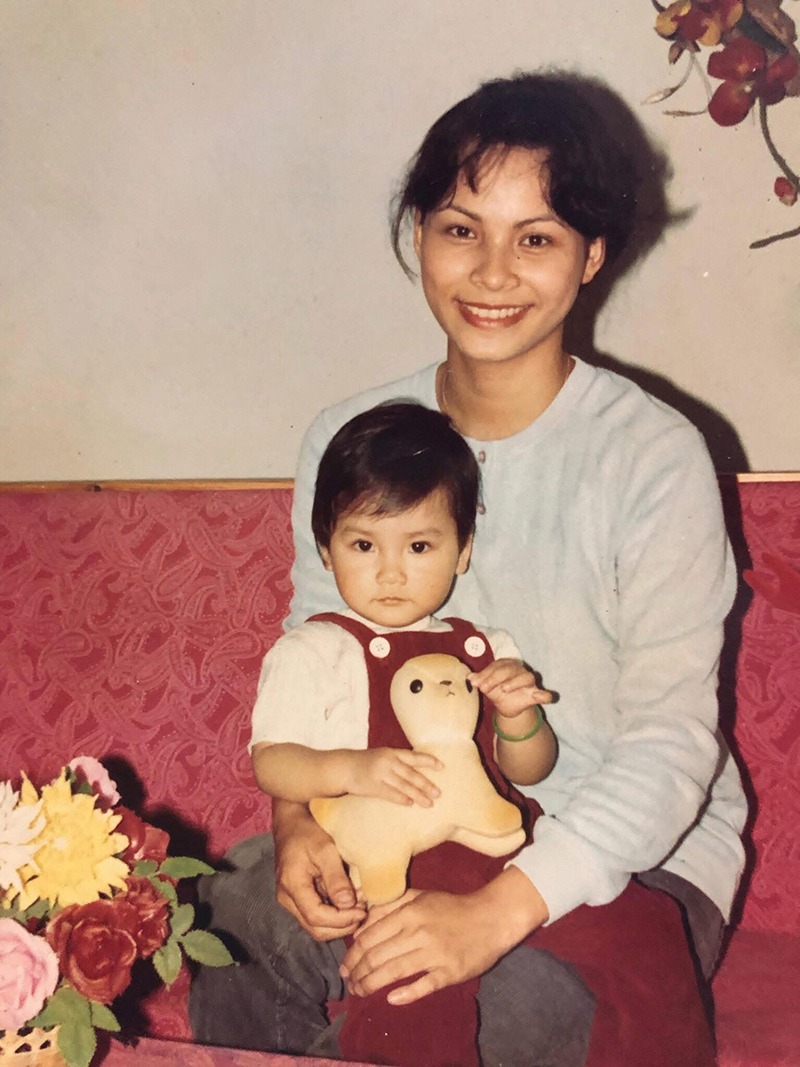
Because her mother did not know sign language, Anna had to handle many personal matters on her own growing up. Some things she could only partially share with her mother, keeping the rest to herself.
Once, her mother gave Anna a small amount of money to deliver to a teacher. After playing, Anna opened her bag and saw the money was missing. She felt sad but could not explain clearly to her teacher or mother. When her mother asked the teacher, the teacher said she had not received it. Her mother assumed Anna had not given the money and scolded her. Anna felt hurt for being misunderstood.
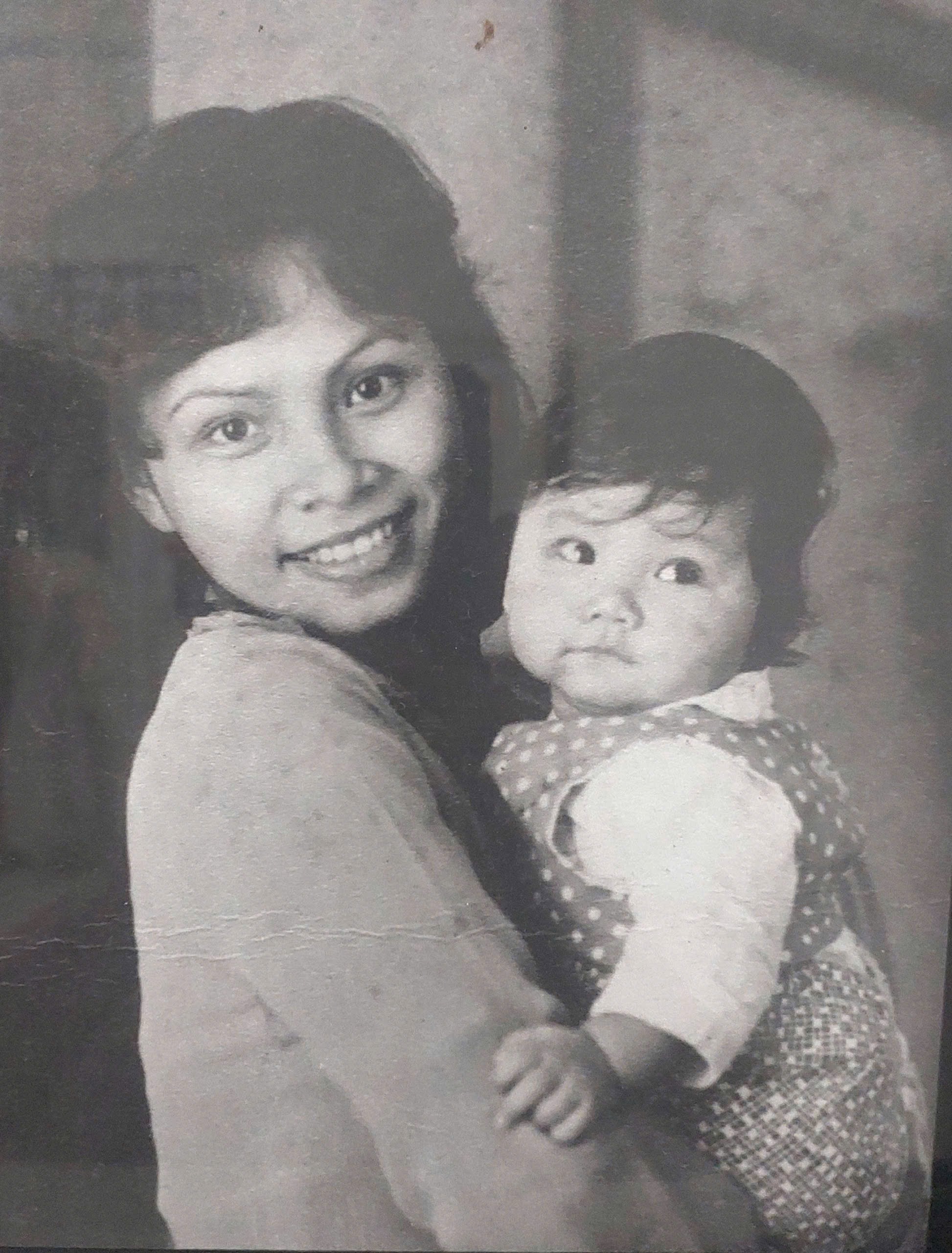
Another time, her mother would not let Anna ride a motorbike for safety reasons. Anna was furious. To prove herself, she borrowed a deaf friend’s motorbike to practice riding. Her mother was surprised: “How do you know how to ride?” Anna used gestures to explain that she would eventually marry and have children, so she needed to learn. Her mother understood and later bought a motorbike for Anna. That moment made Anna feel successful in being understood.
Anna realized that her mother made great efforts to understand her. Sometimes when Anna was angry and went home alone, her mother would think quietly and then drive to visit unannounced. She did not speak much, just gestured gently: “Do you want me to cook something?” Then the two would sit and eat together.
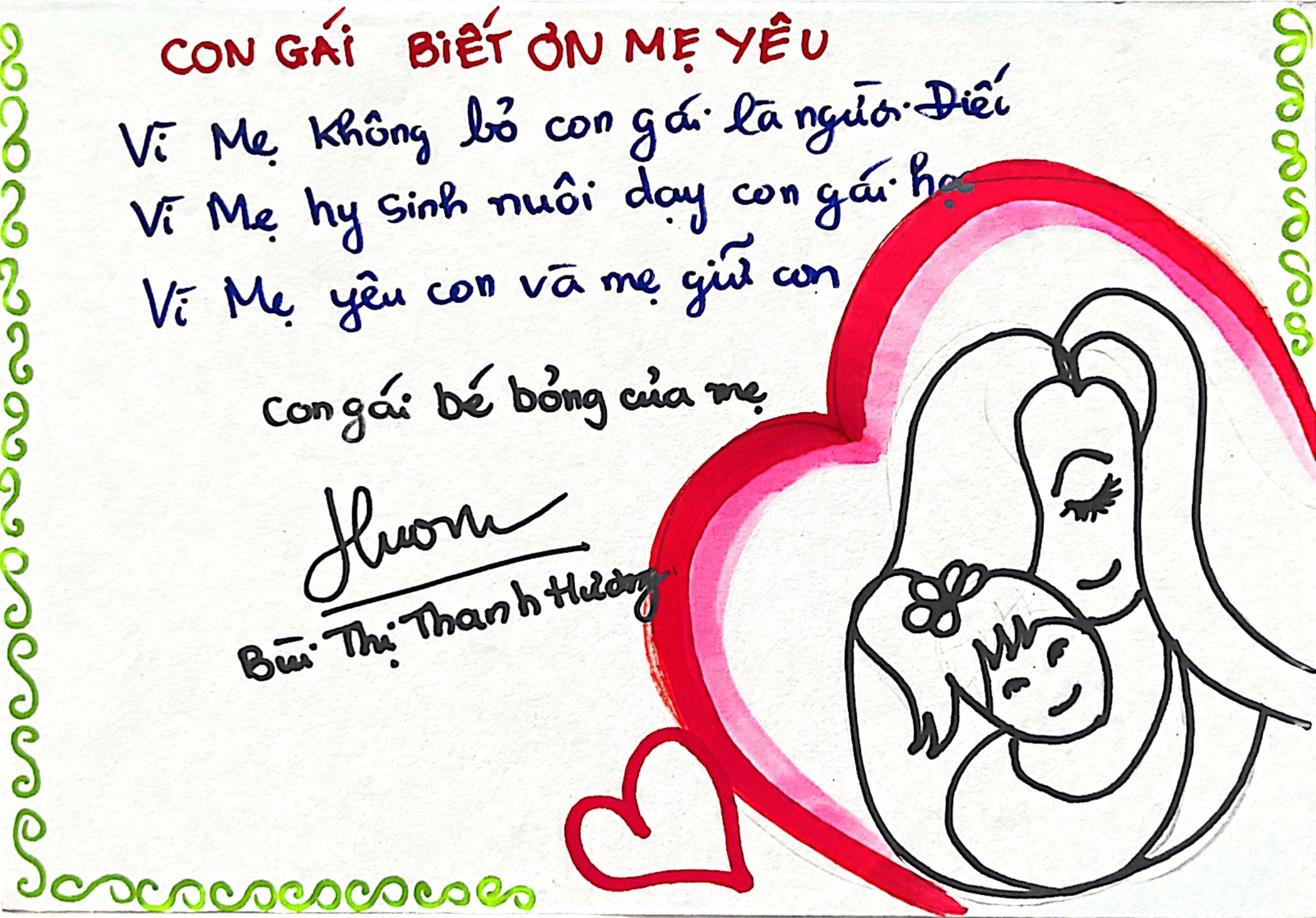
Her mother did not want Anna to take the bus due to traffic and pollution, but Anna still rode from her husband’s home to her mother’s. After long resistance, her mother unexpectedly offered to ride the bus with Anna. She even learned to ride the bus alone, saying: “I will try to follow you to live more economically.” Though unable to communicate verbally, her mother always expressed care through actions and often did unexpected things that moved Anna.
Anna is now a mother to a 14-year-old son. Her husband is also deaf. Their fortunate child was born healthy and naturally learned to communicate with his mother using sign language, like hearing children learn to speak. For example, when hungry, he crawls to Anna, places her hand on his stomach, so she understands. They have a private system of signs understood only within the family. Outsiders, even Anna’s deaf friends, cannot understand. This proves that love can become a shared language within a family, surpassing the limits of words.
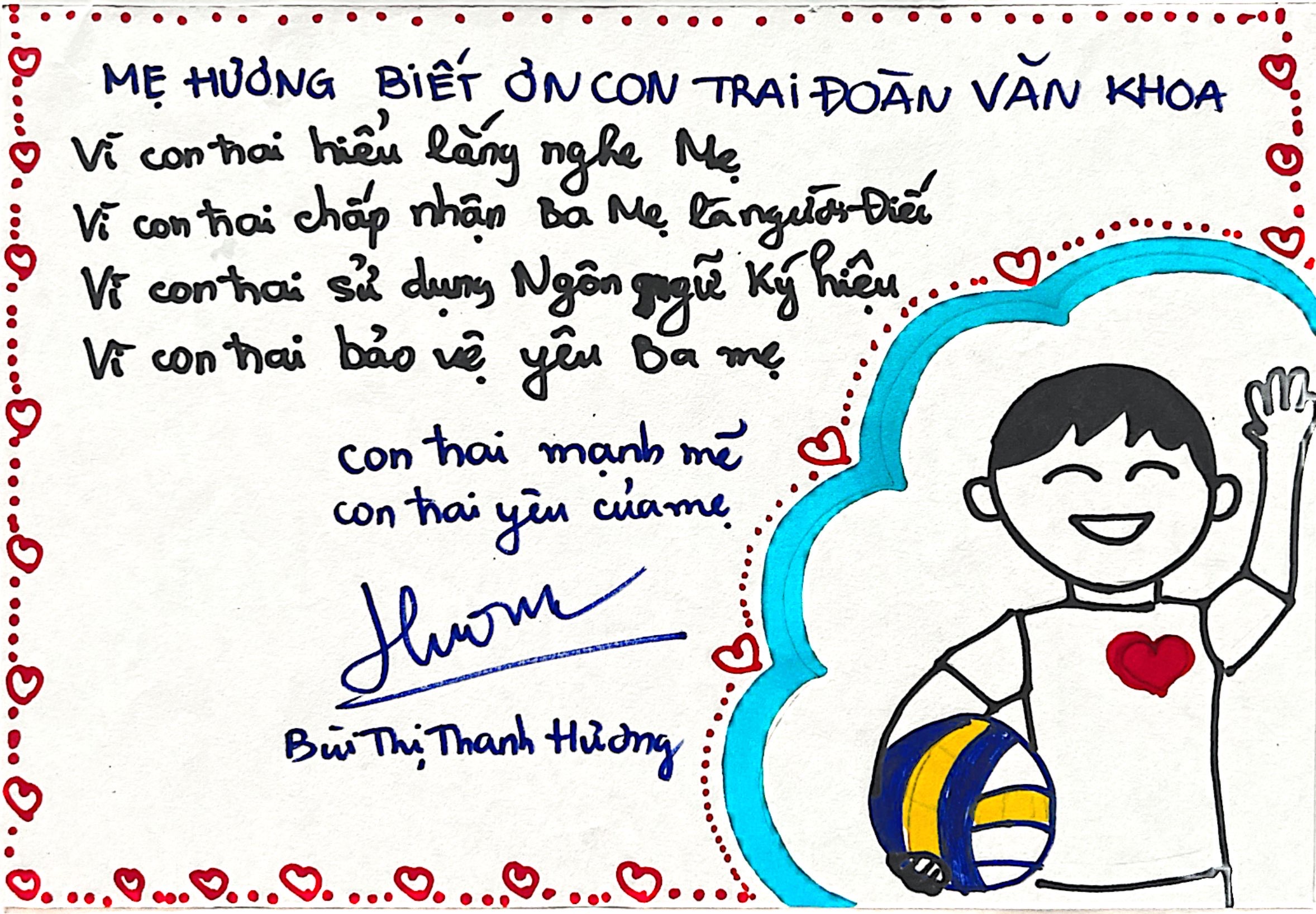
Anna says she is truly grateful to her mother and loves her deeply. Meeting Anna reinforced my belief that every child, whether disabled or not, can become a happy child with dreams when raised with unconditional maternal love.
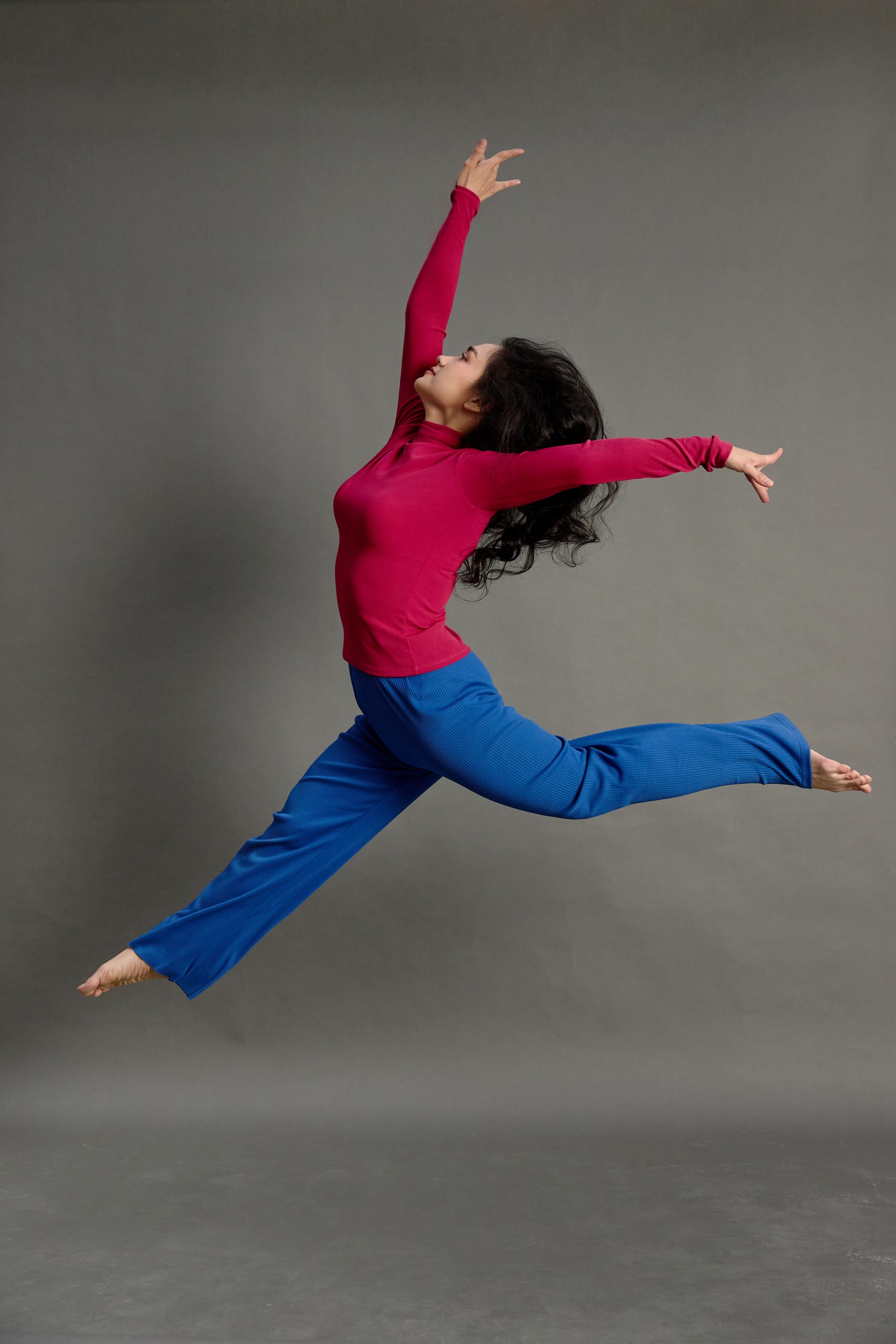
FEATURE: THE THINGS MOTHER HAS NOT TOLD
A New Zealand writer once said that he only truly understood his father after his father’s death, when he accidentally found an old diary. The words revealed parts of life he had never heard about. From there, he began to wonder about his mother, but she was gravely ill and no longer had the strength to speak all that remained unsaid.
The relationship between parents and children is strange, very close yet sometimes vast as the sky. “The Things Mother Has Not Told” is for those silent spaces, with three stories that are three slices of motherhood, where words are not always the only way to express love.
Originally published in Đẹp Magazine, Issue 301
Photography: Hồ Kim – Assistant: Nguyễn Hồng Sơn