Driving Along the California Coast
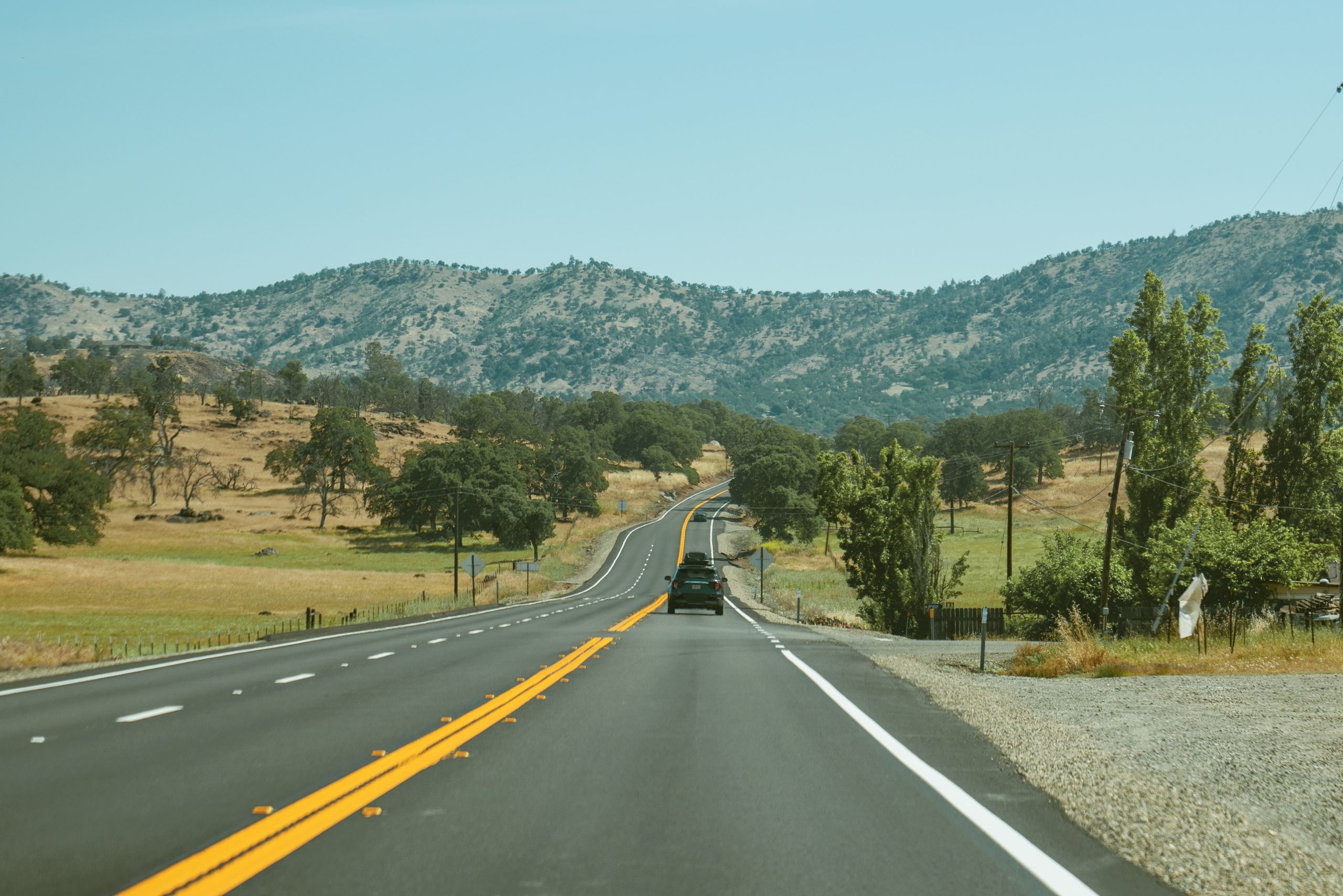
California – the third-largest US state – has a blended culture that is hard for anyone to fully understand without observing it slowly through a multifaceted lens. An Asian visitor will surely feel very much at home with the “Asian touch” in its landscapes, architecture, people and culture, shaped by Asian immigrant communities. Especially strolling the streets of San Francisco, you see Asian faces, hear all kinds of languages and taste every kind of Chinese, Korean, Japanese, Thai and Vietnamese food… Meanwhile, simply driving along the California coast, you feel the free, easy-going spirit of American films; weaving through the bustle of downtown Los Angeles, you might think you are a character in a blockbuster Hollywood movie; diving into the nightlife of that film city, you feel the cool glamour of the timeless song “Hotel California”; walking through the forests and beneath stunning waterfalls, you grasp the grandeur of one of the world’s most powerful nations and the American “think big” mindset. A road trip along California’s west coast sharpened our picture of this remarkable blend.
Golden Gate Bridge
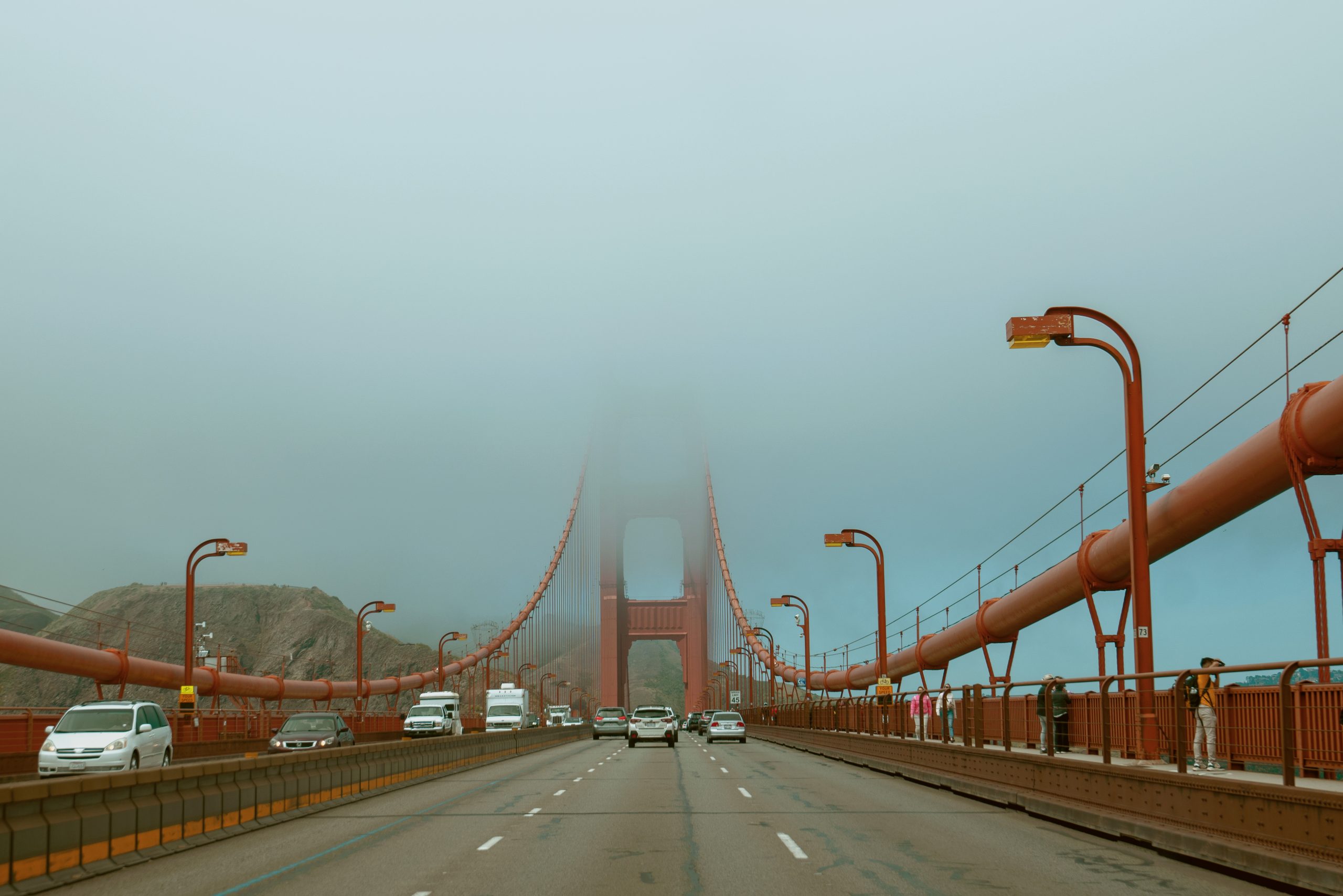
You can’t visit San Francisco without seeing the Golden Gate Bridge, the city’s symbol and considered one of the most beautiful bridges in the world thanks to its distinctive structure of giant towers and great sweeping cables. Seen from afar on a foggy day, it looks like a striking thread strung among the clouds. Naturally, the first photo of our California trip was taken here.
Pier 39
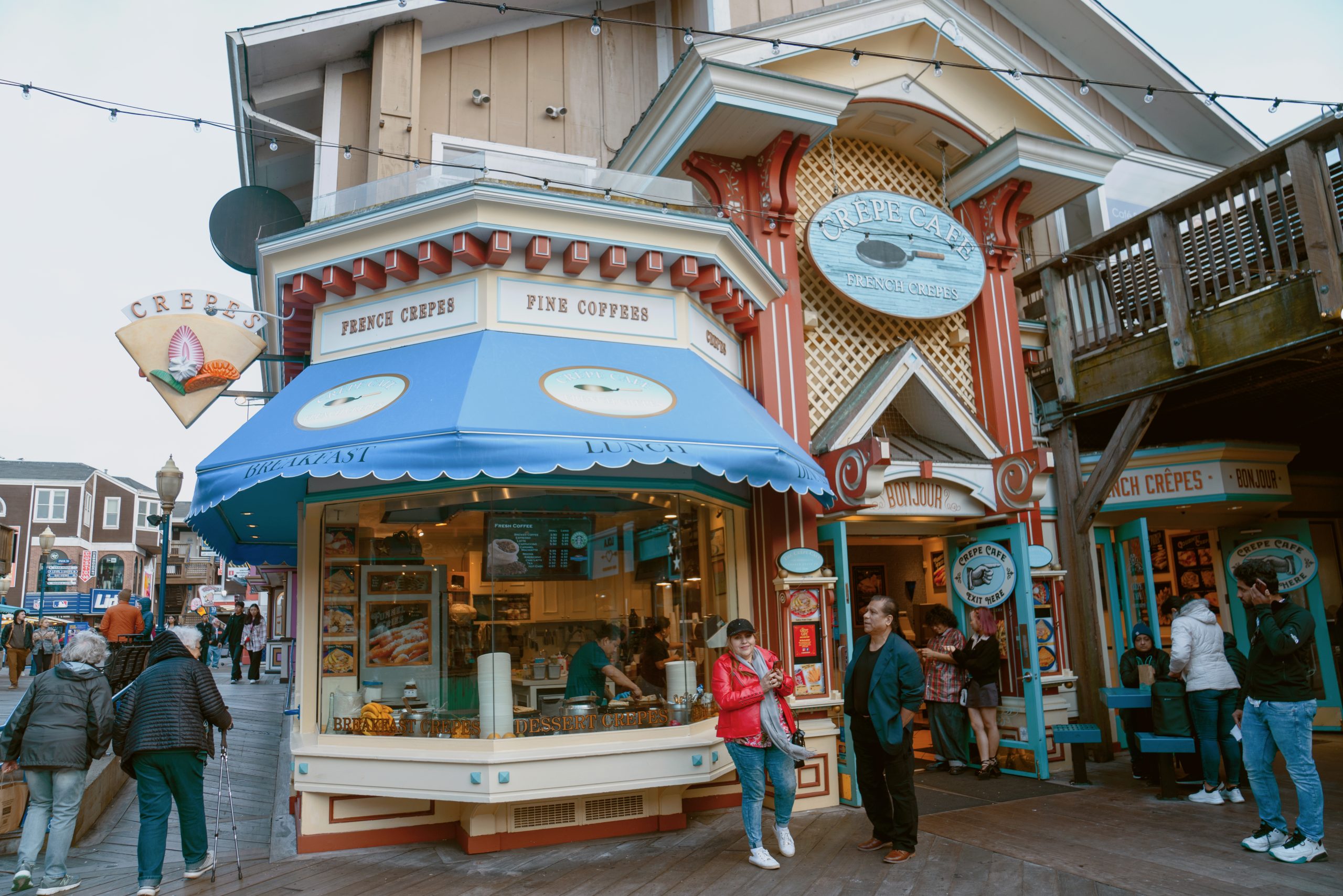
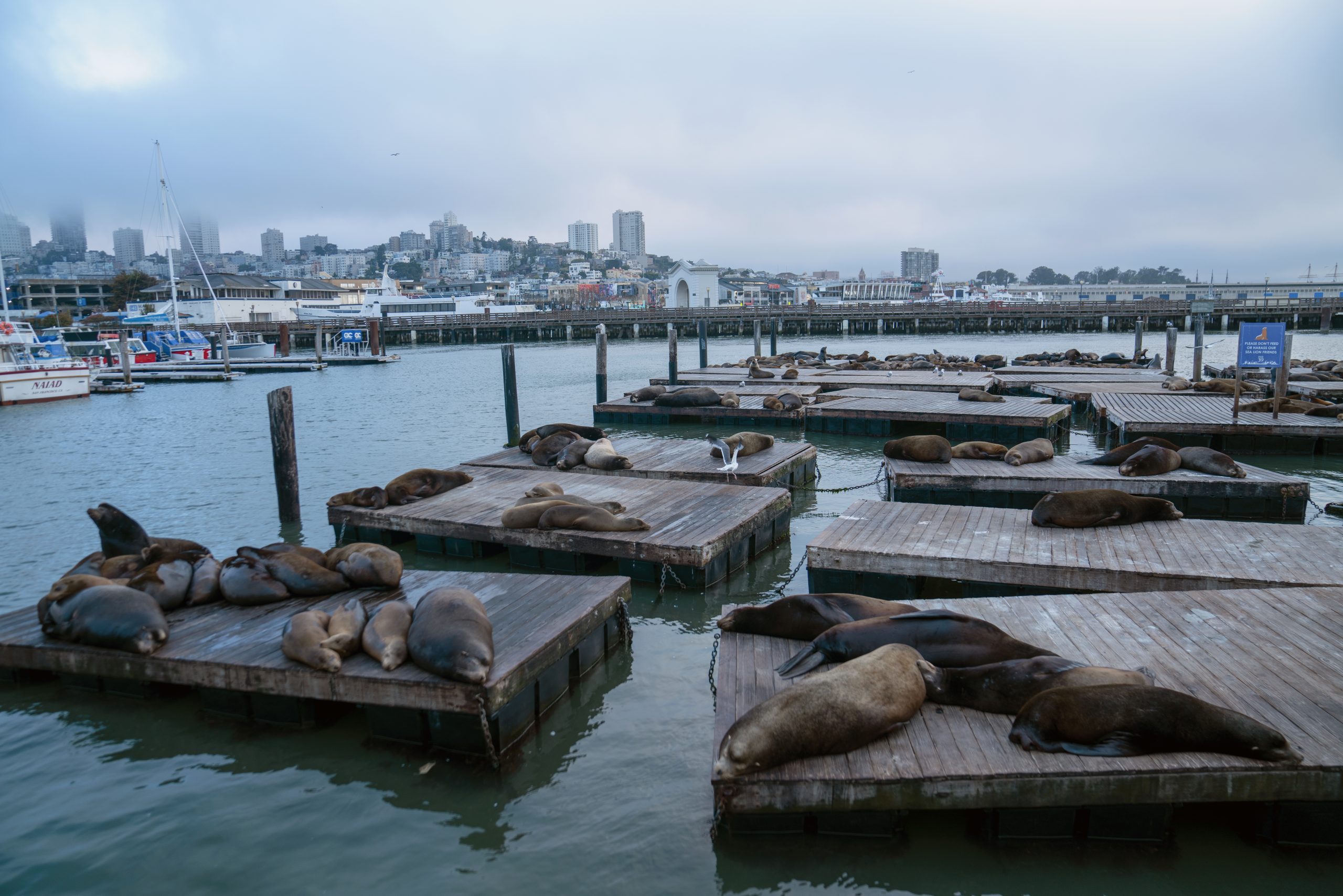
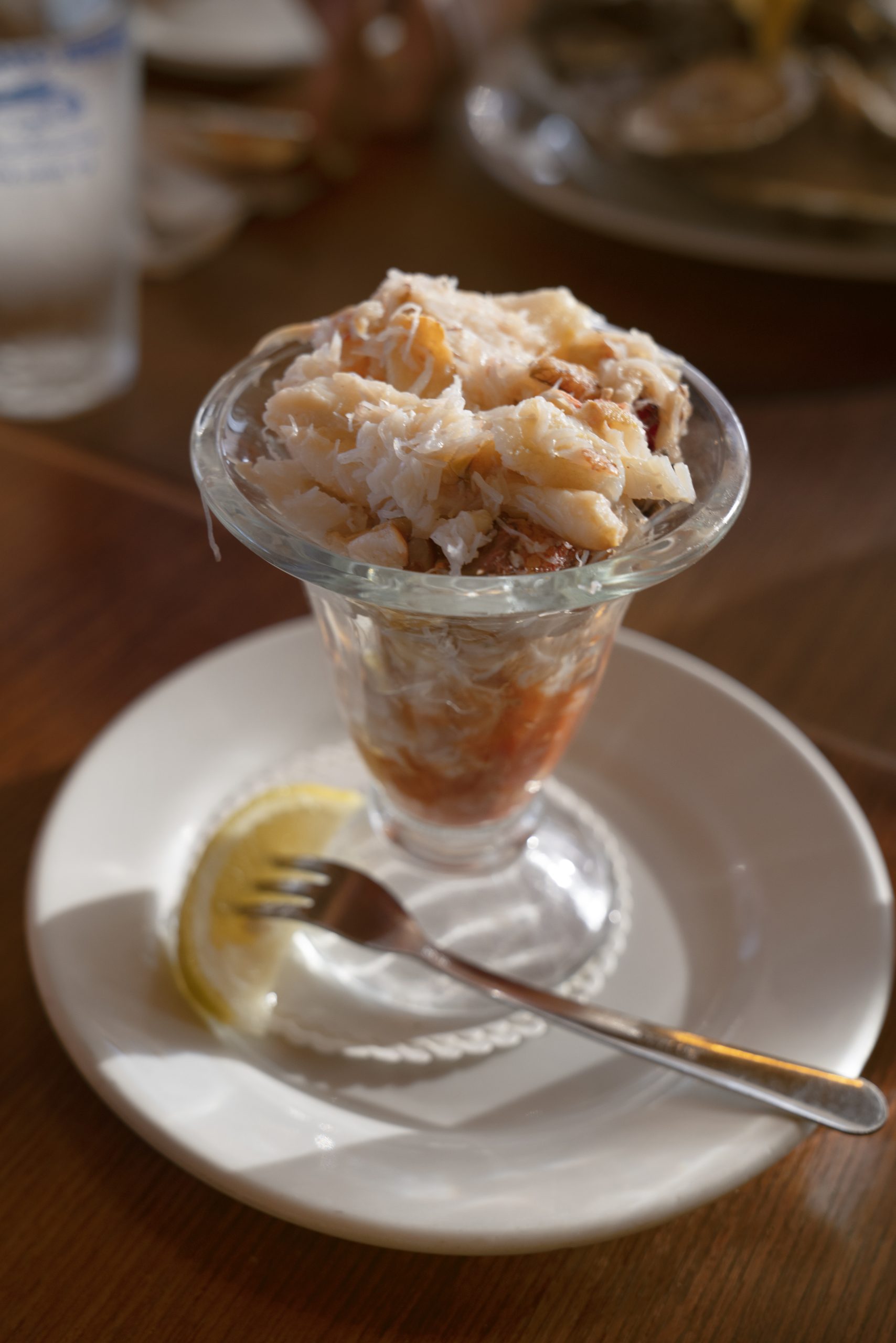
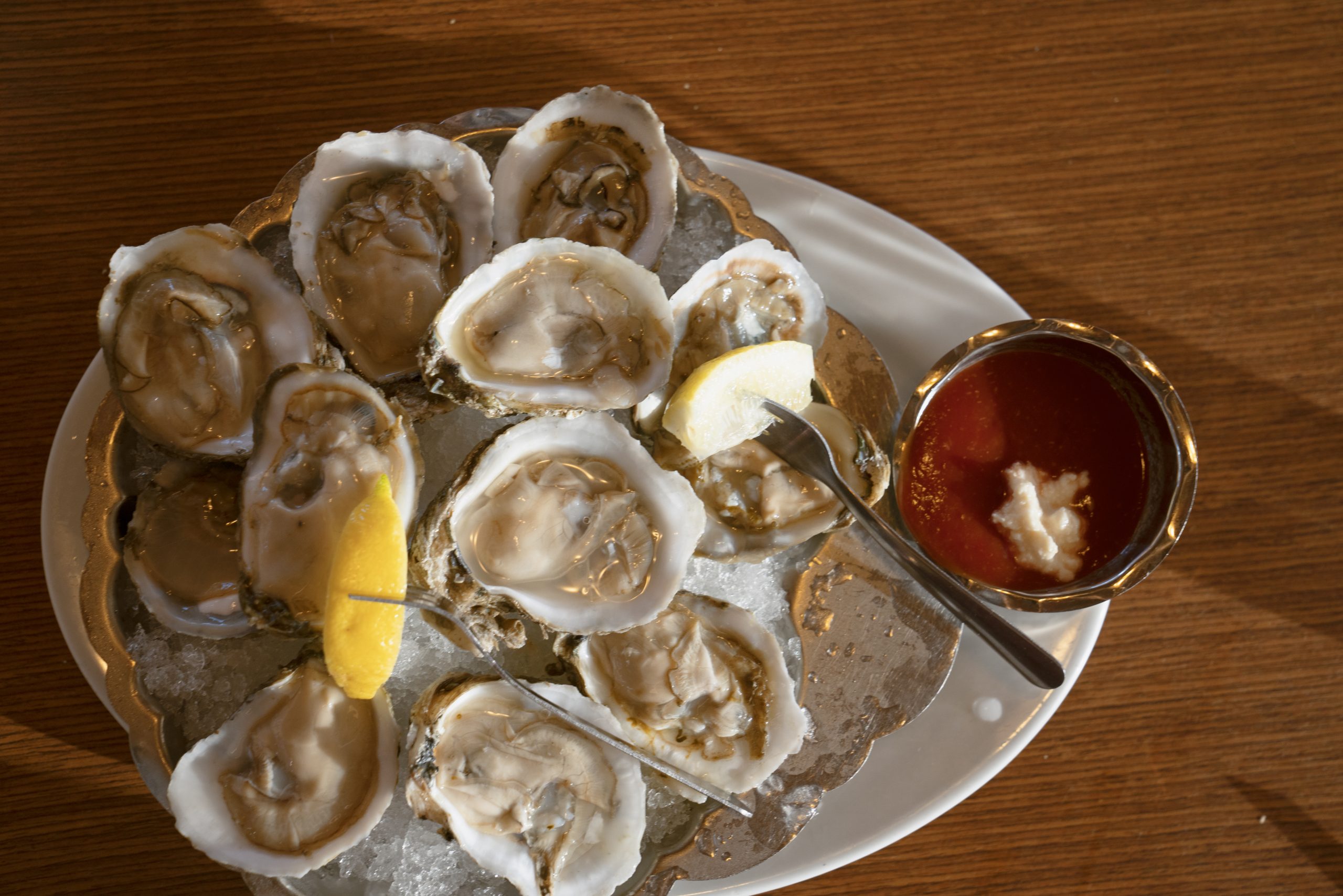
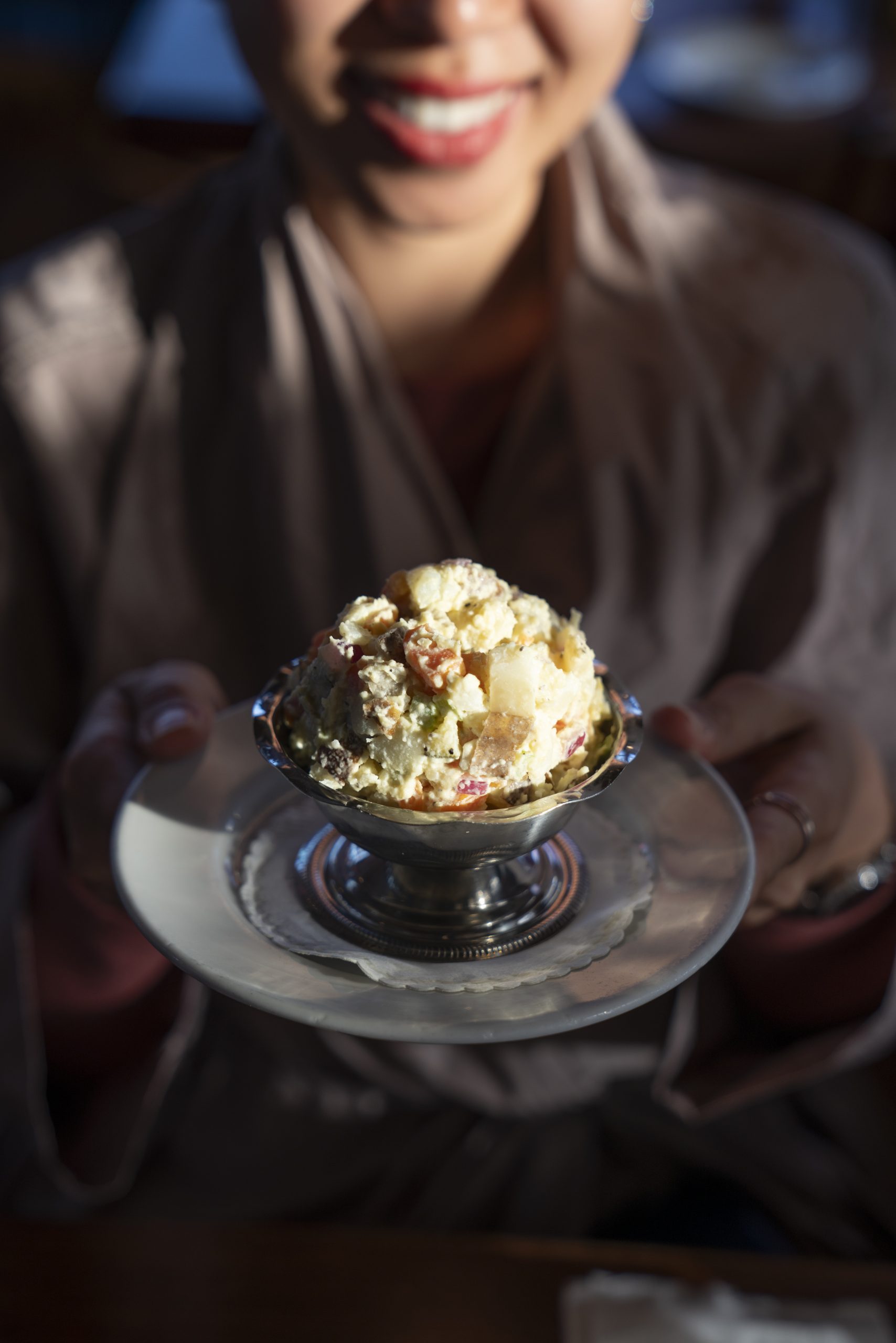
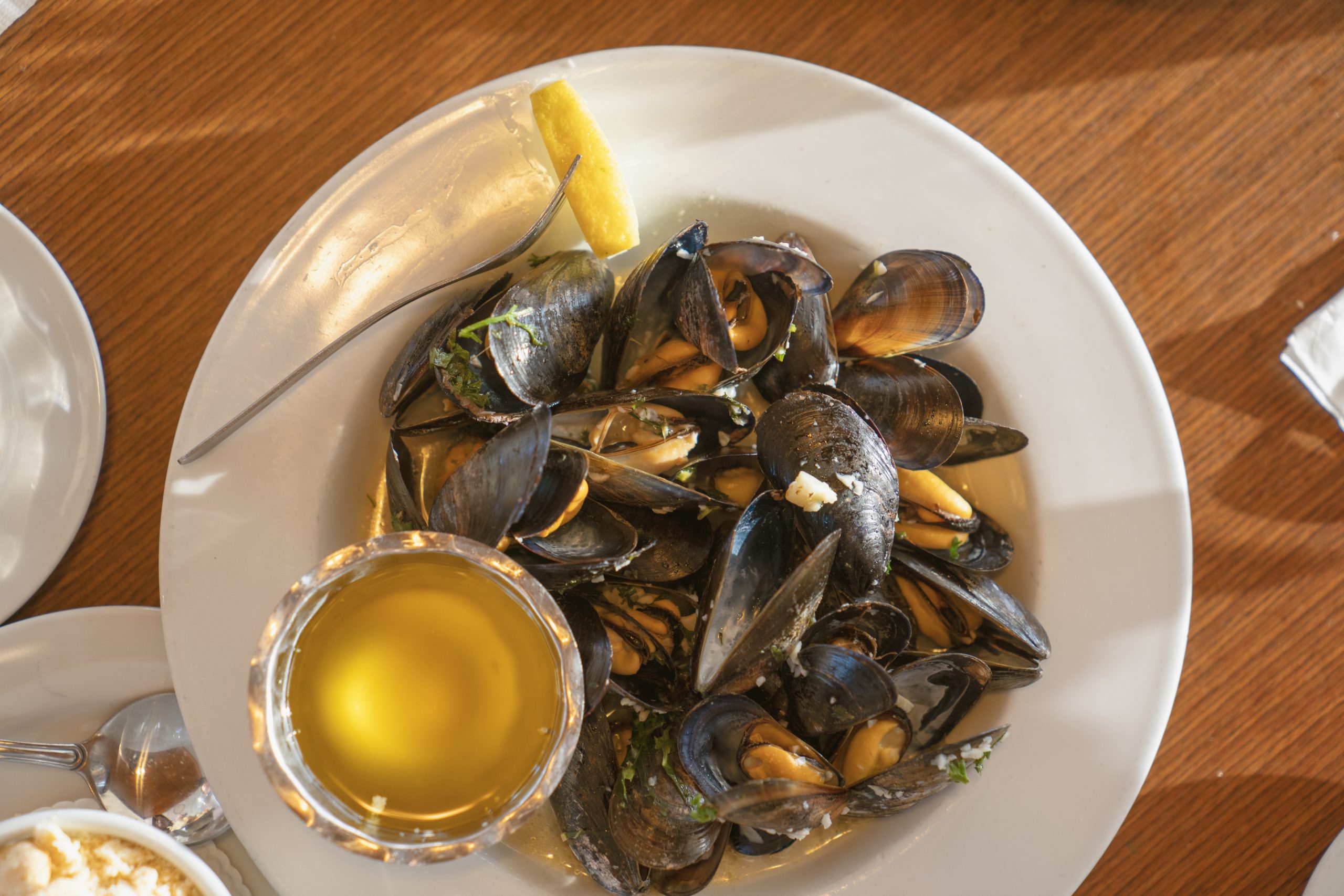
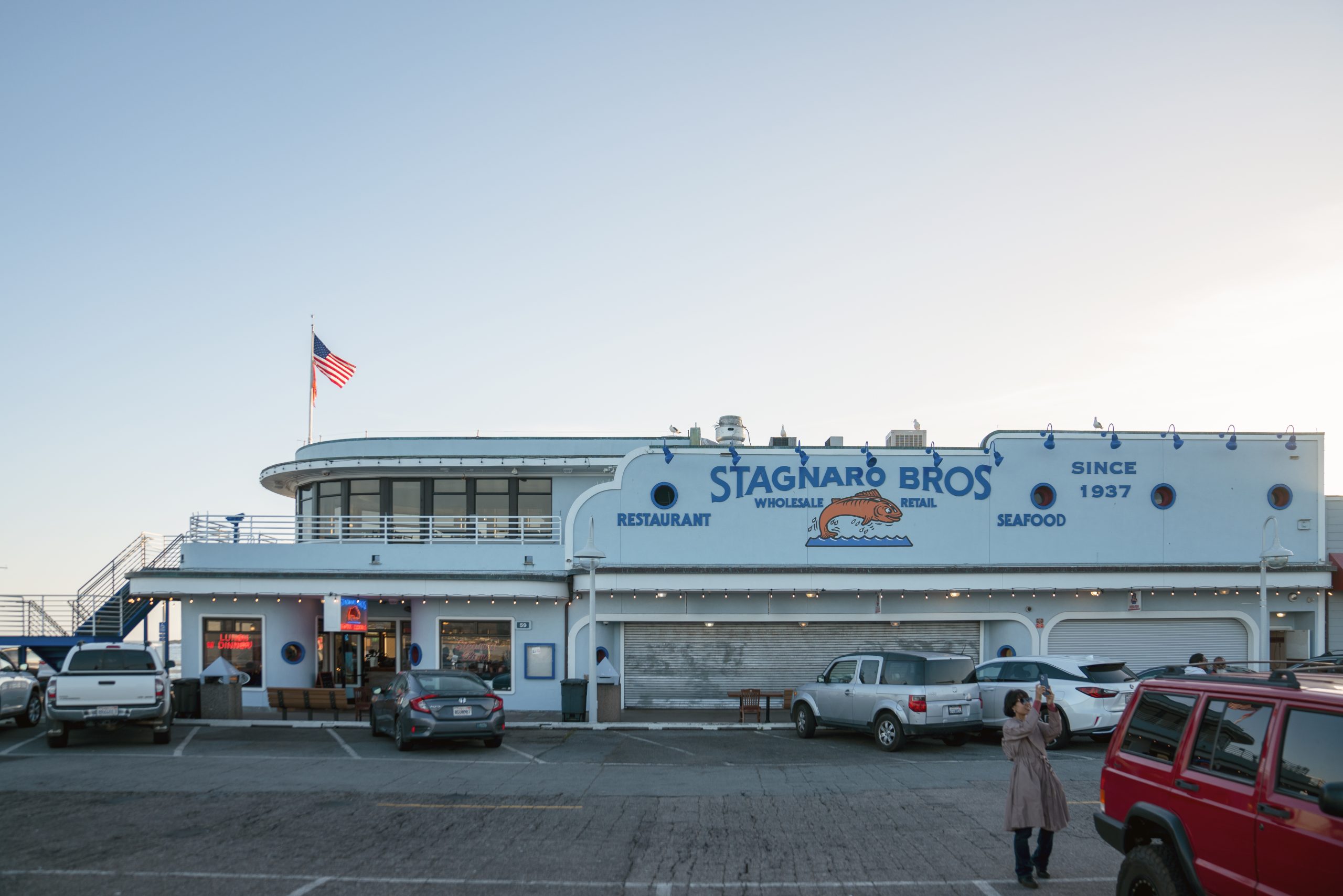
Pier 39 is a famous shopping centre and tourist attraction built on a pier in San Francisco, California. It has shops, restaurants, an arcade, street performances, an aquarium and 3D virtual games. But a friend living in California brought us here to see something more special, which she introduced as the “ủa animals”. When we got there, I burst out laughing to find that her “ủa animals” were sea lions. They lay sunbathing on wooden floats, constantly making a delightful “ủa, ủa, ủa” sound. Some say the sea lions moved to the harbour after the 1989 Loma Prieta earthquake (or perhaps even before) because they felt safe and peaceful in the bay. We also enjoyed clam chowder in a round bread bowl at a little shop by the harbour, then fresh seafood at a restaurant overlooking the sea. Perhaps because first-day impressions multiply every feeling, I voted it the most delicious afternoon meal of our time in California.
Yosemite
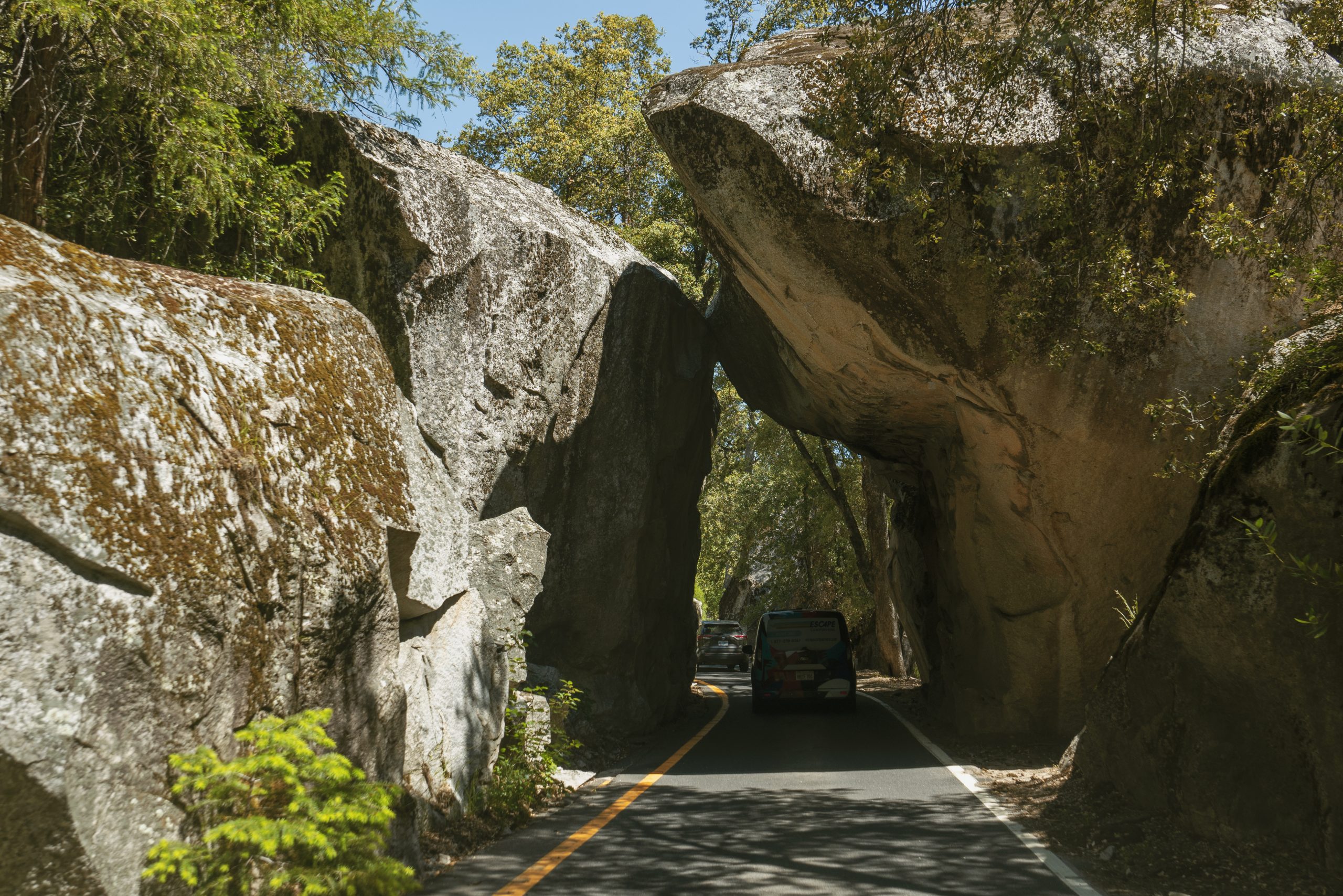
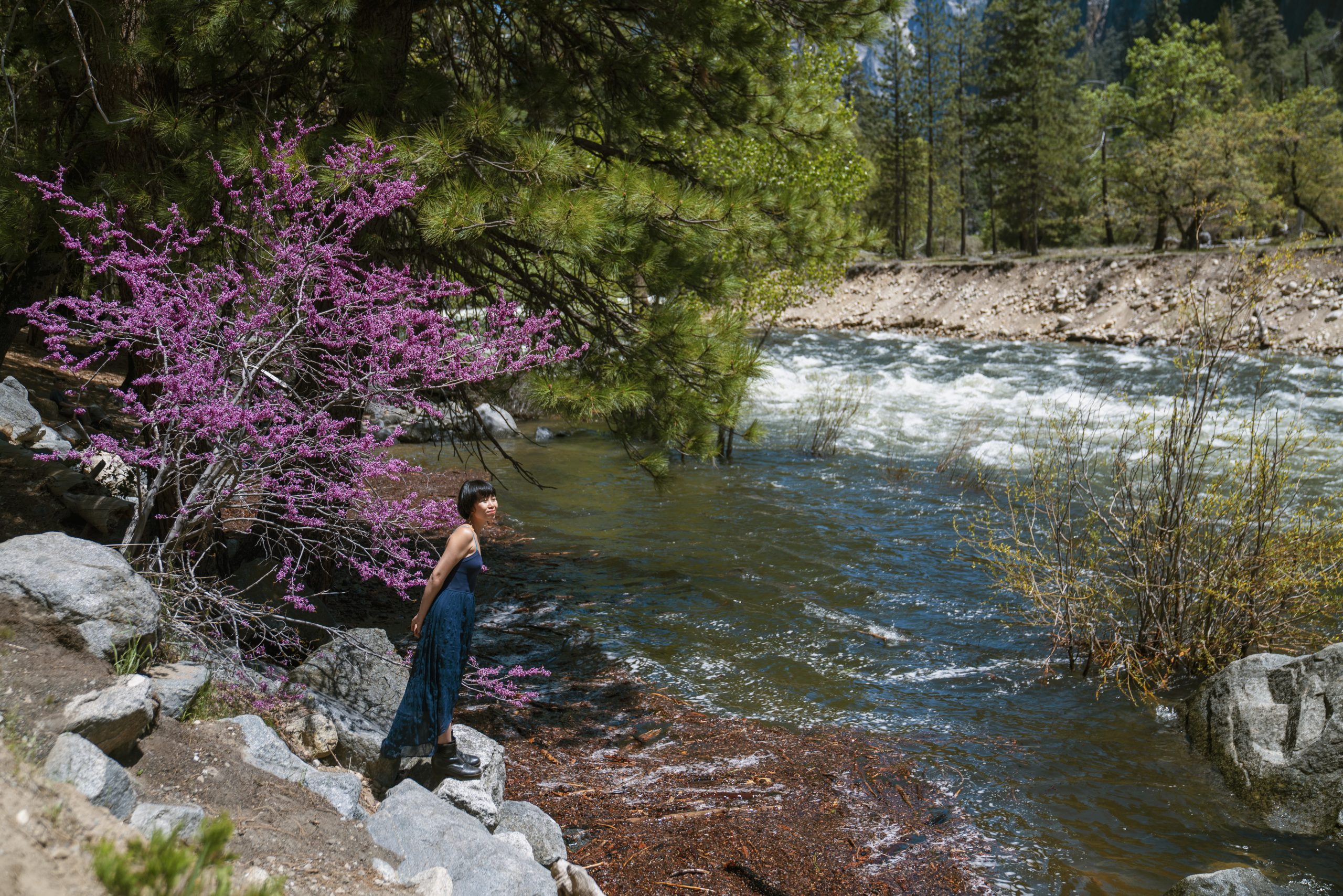
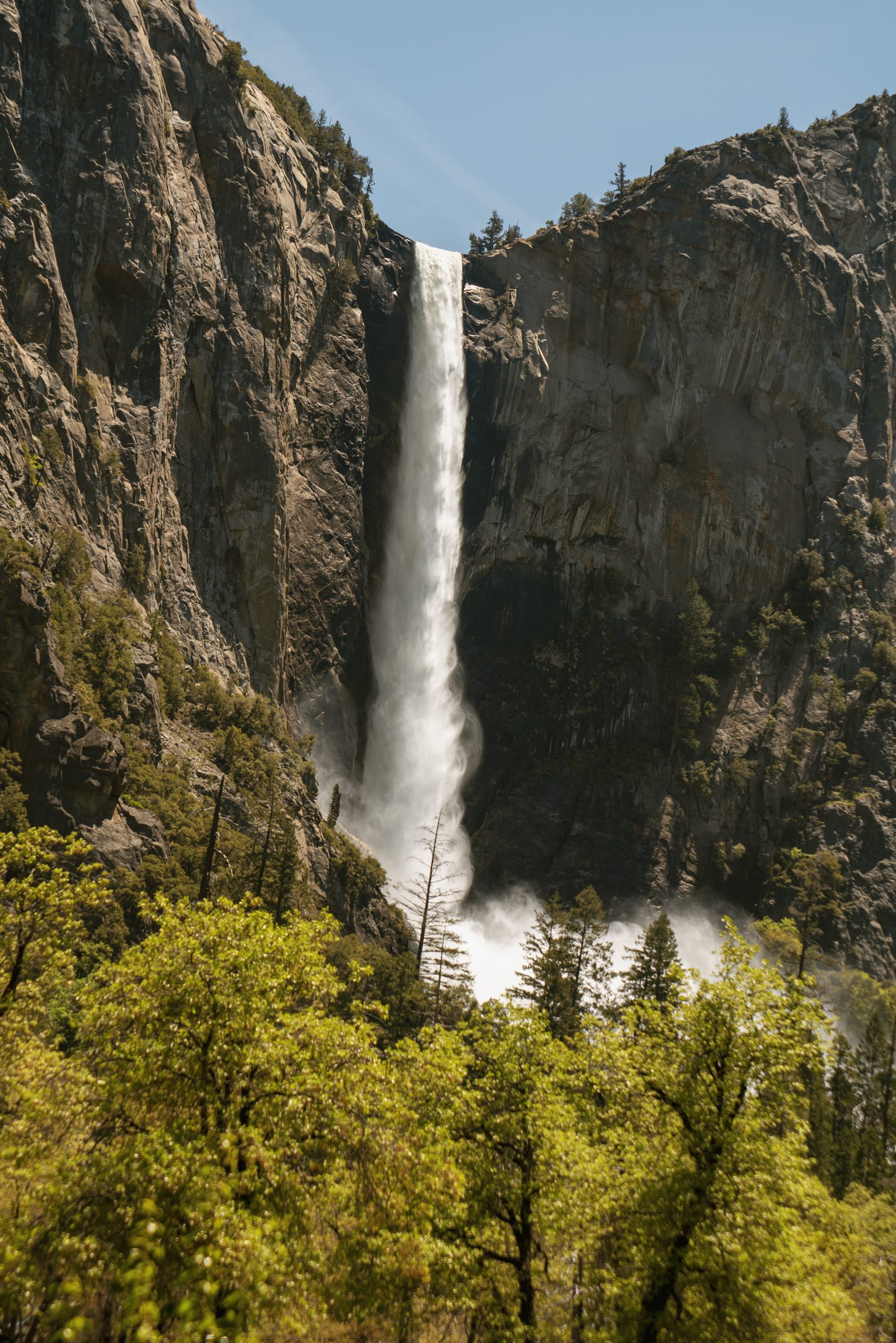
Yosemite National Park borders Sierra National Forest to the south-east and Stanislaus National Forest to the north-west. Designated a World Heritage Site in 1984, Yosemite is internationally renowned for its granite cliffs, waterfalls, clear streams, giant sequoia groves, lakes, mountains, meadows, glaciers and biodiversity. Nearly 95% of the park is designated wilderness. Yosemite is one of the largest and least fragmented habitat blocks in the Sierra Nevada. The scenery is poetic and peaceful, with big shady trees, waterfalls tumbling from high cliffs and babbling streams. At the restaurant area, I noticed signs asking visitors to “put leftover food in sealed bins so our bear friends don’t come to eat unsuitable food that harms their health.” That alone shows how well America protects its nature. Yosemite, like the other national parks we visited, is a place where people see themselves as part of nature and learn to respect and live in harmony with it.
Downtown Los Angeles
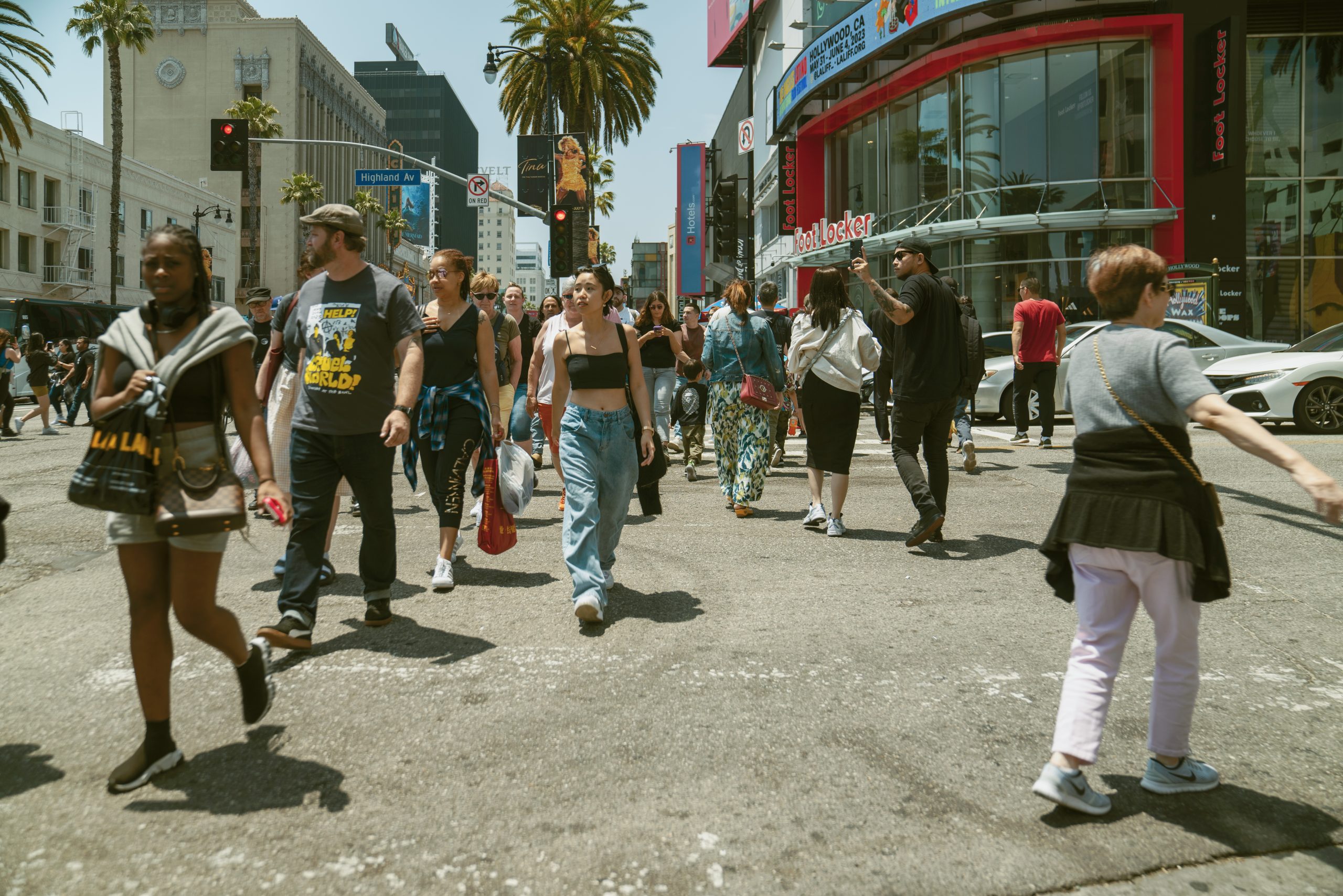
As a child I often hummed the chorus of “Hotel California”, and only later did I learn that the song, released by the Eagles in 1977, reflects upper-class life in Los Angeles. In downtown Los Angeles, you can feel the cinema in the air, echoing from the buildings, seeping into the streets, dangling from the signs, swirling beneath every step and written openly on people’s faces.
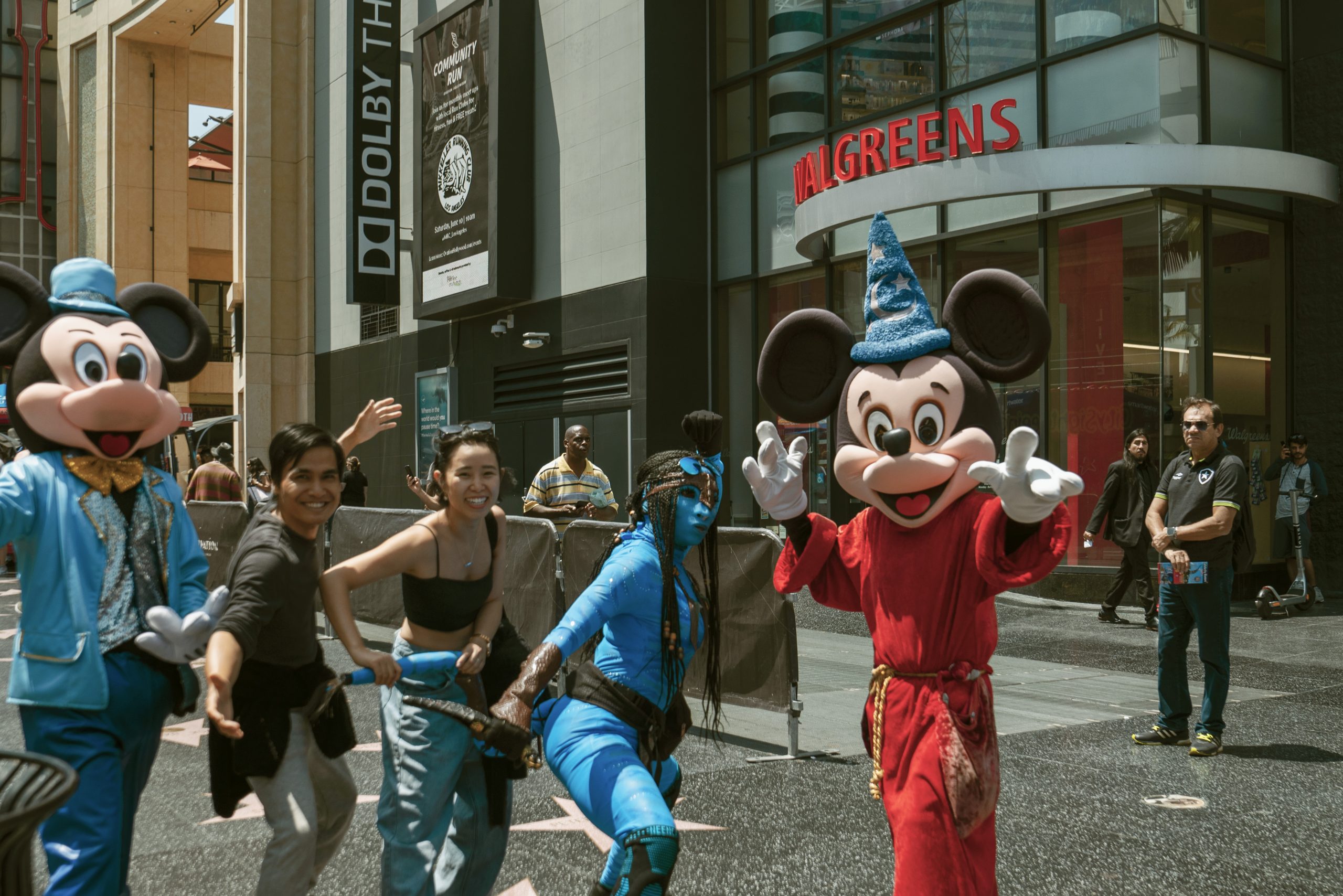
In the heart of Los Angeles is a street that draws crowds of visitors for souvenir photos: the Walk of Fame, with more than 2,600 five-pointed stars bearing the names of celebrities honoured for their contributions to the entertainment industry. The street is covered with posters of films from different eras, as well as mannequins of film characters you once adored (or loathed).
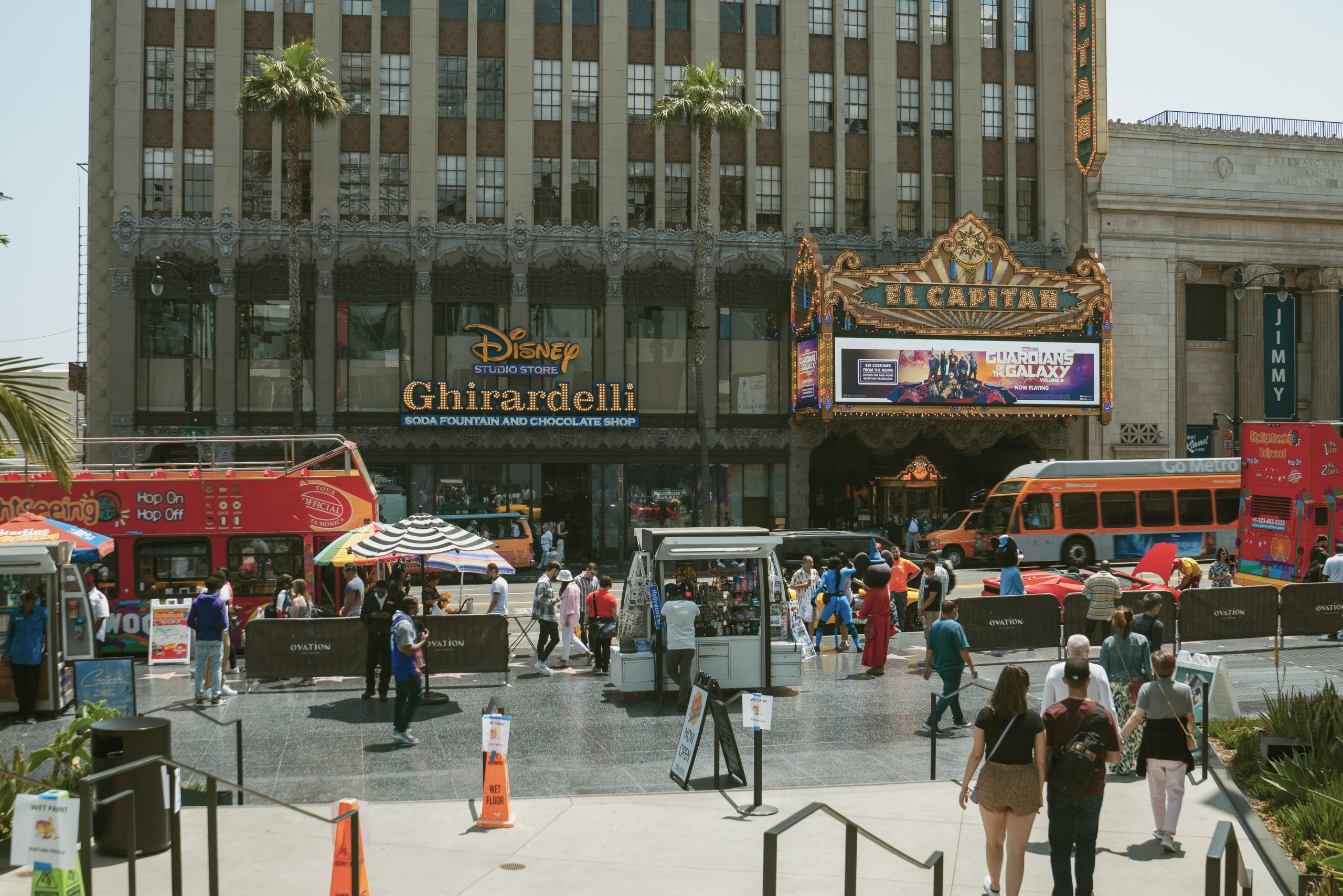
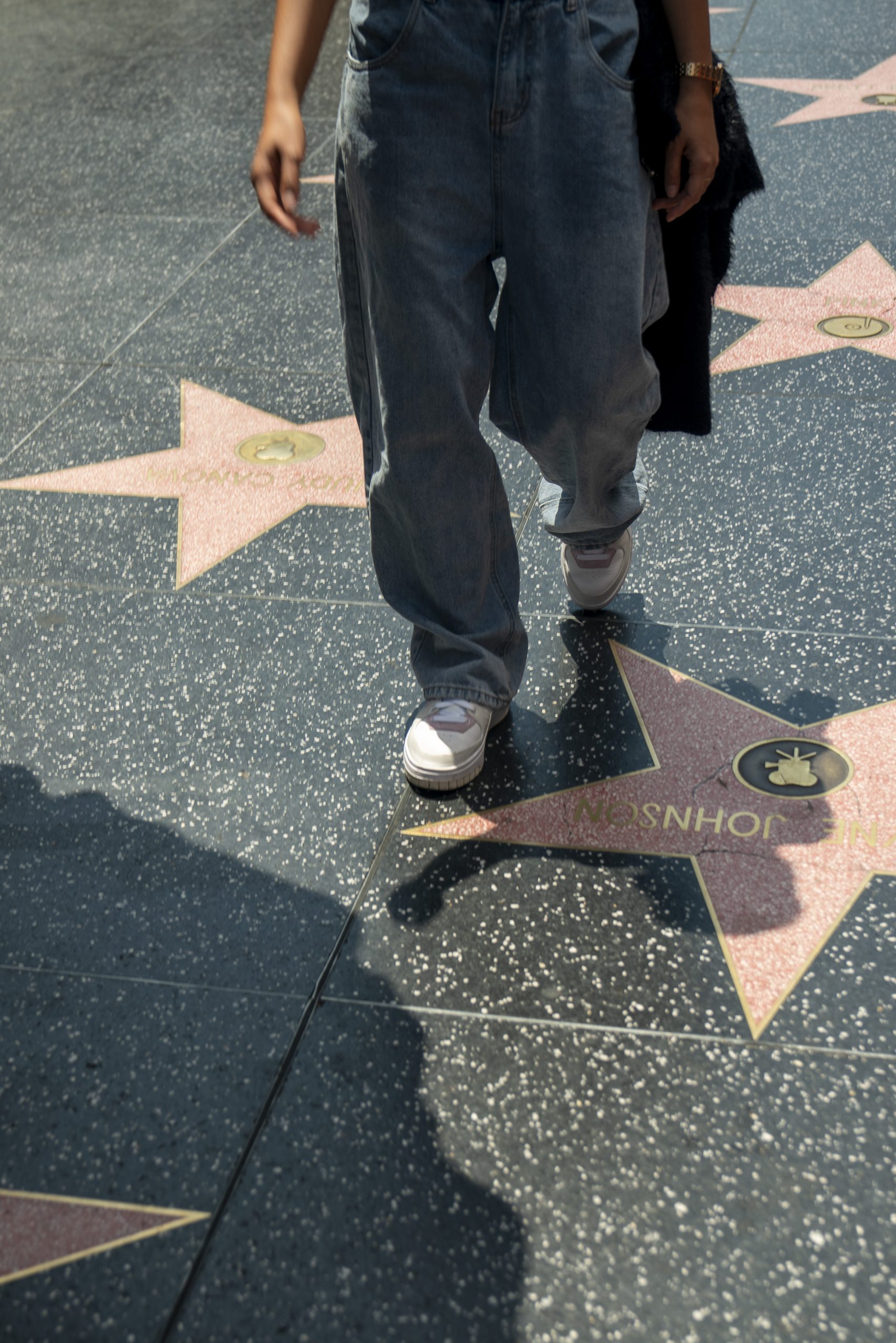
However much you dislike the hustle and the unpleasant stale smell of rubbish and homeless encampments, here you still have to love it first, because the cinematic pieces of famous films seem to have become part of us long ago, bringing something wonderfully familiar.
Hollywood Sign
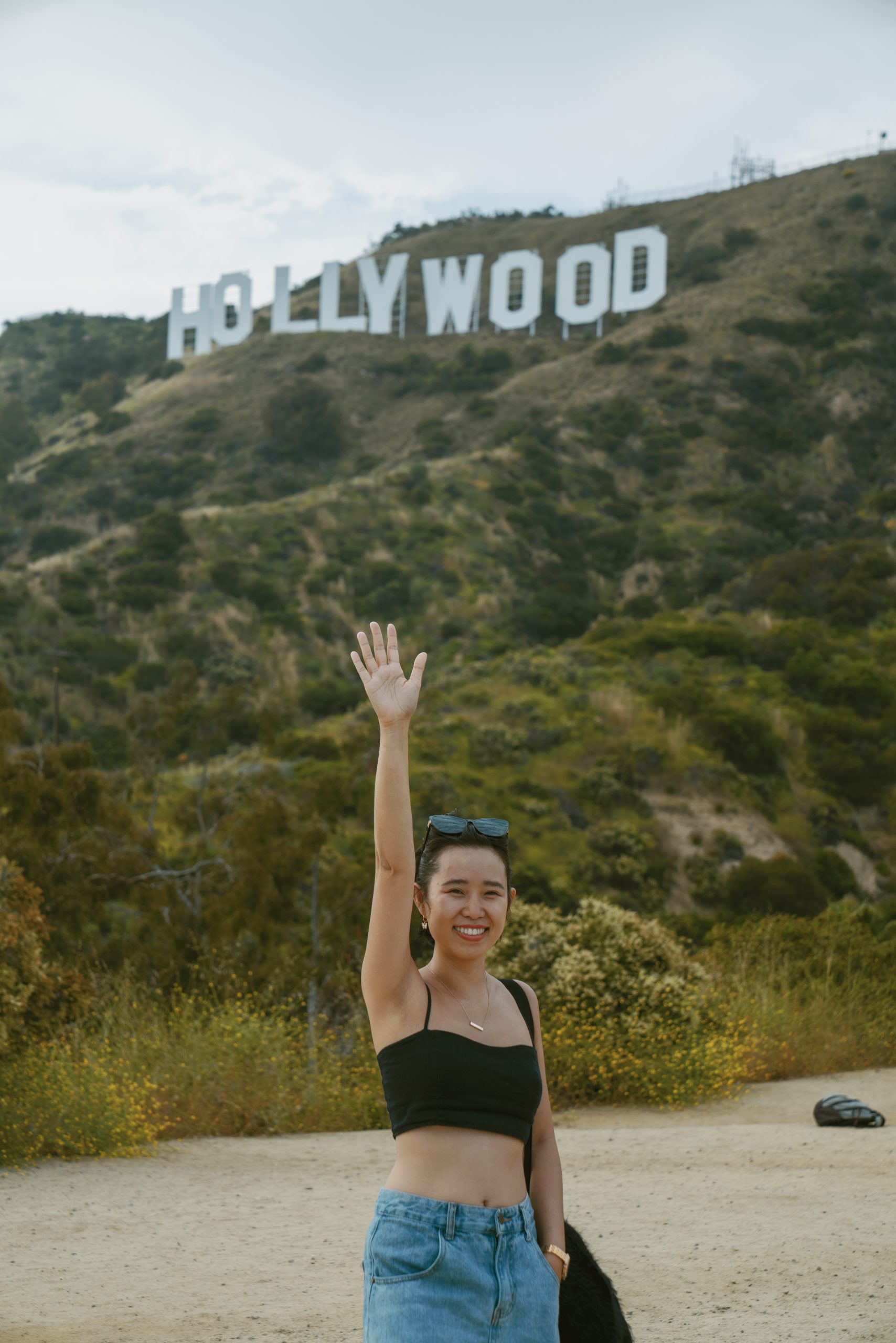
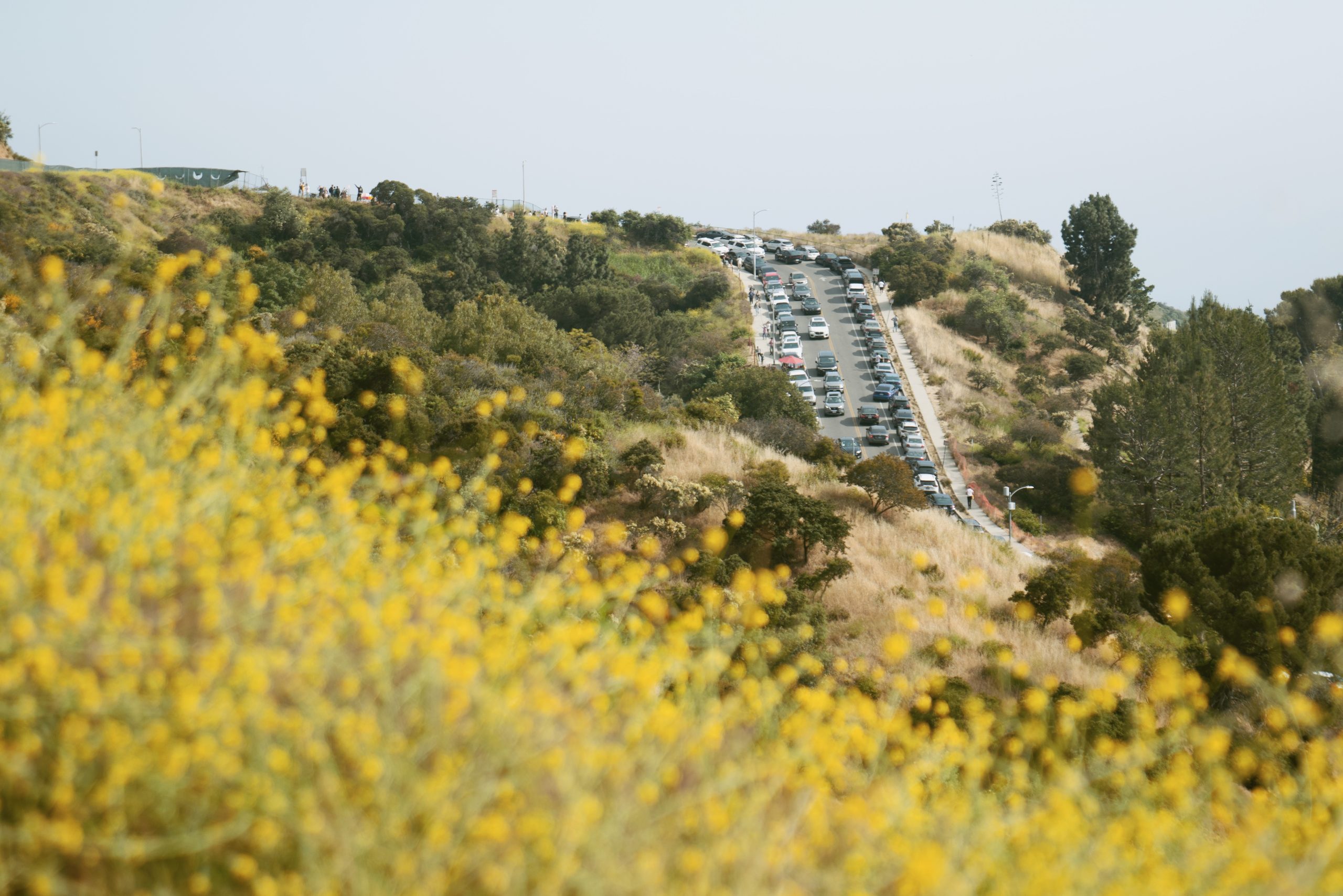
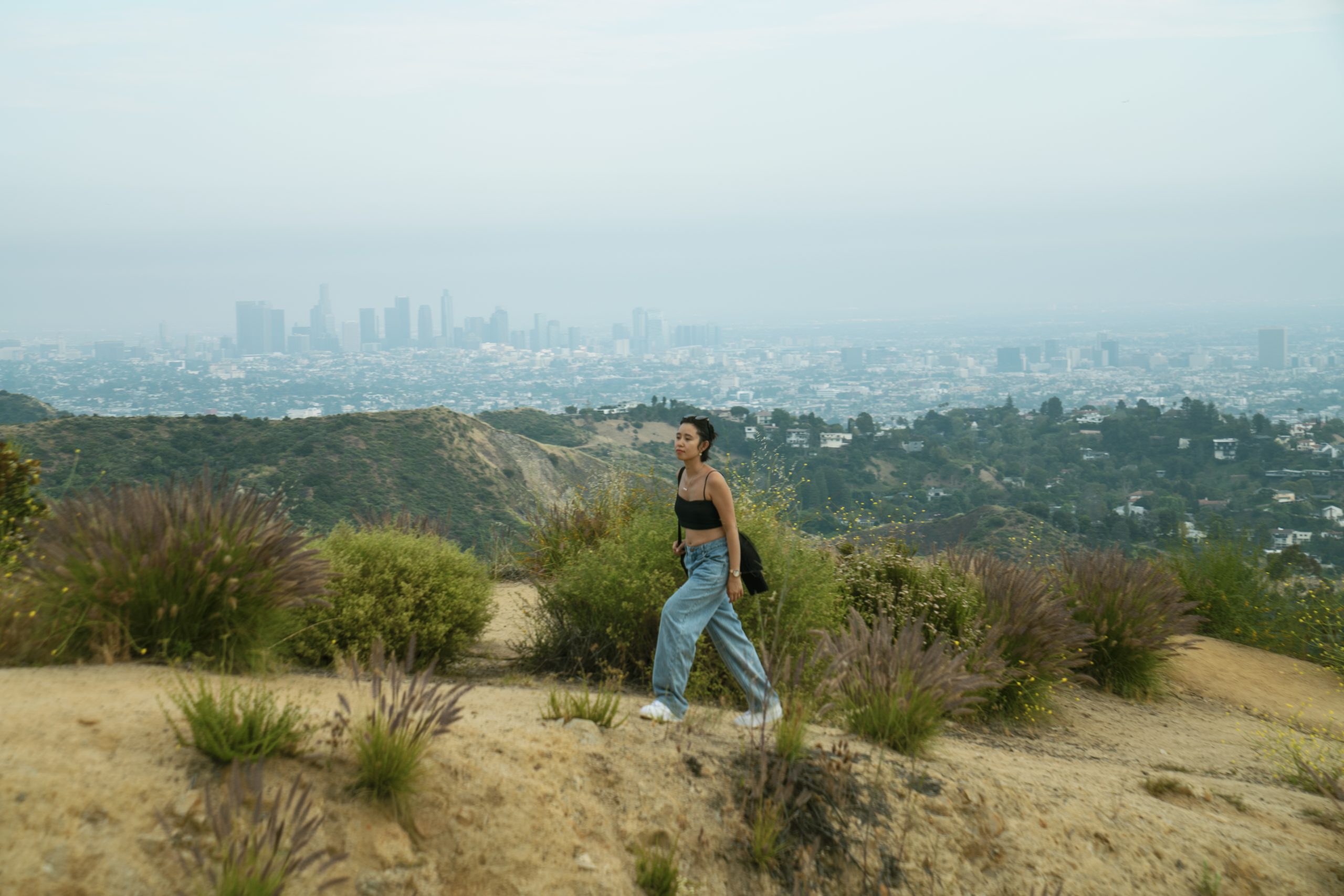
Surely no one who comes here can miss the legendary Hollywood sign that appears in so many films. In the afternoon, crowds of visitors stroll from the foot to the top of the hill to breathe in the fresh air, very different from the noisy city centre. The villas on winding slopes and the clumps of wildflowers reminded us of our beloved Đà Lạt. Perhaps this is why many Vietnamese feel California is familiar.
La Jolla Cove
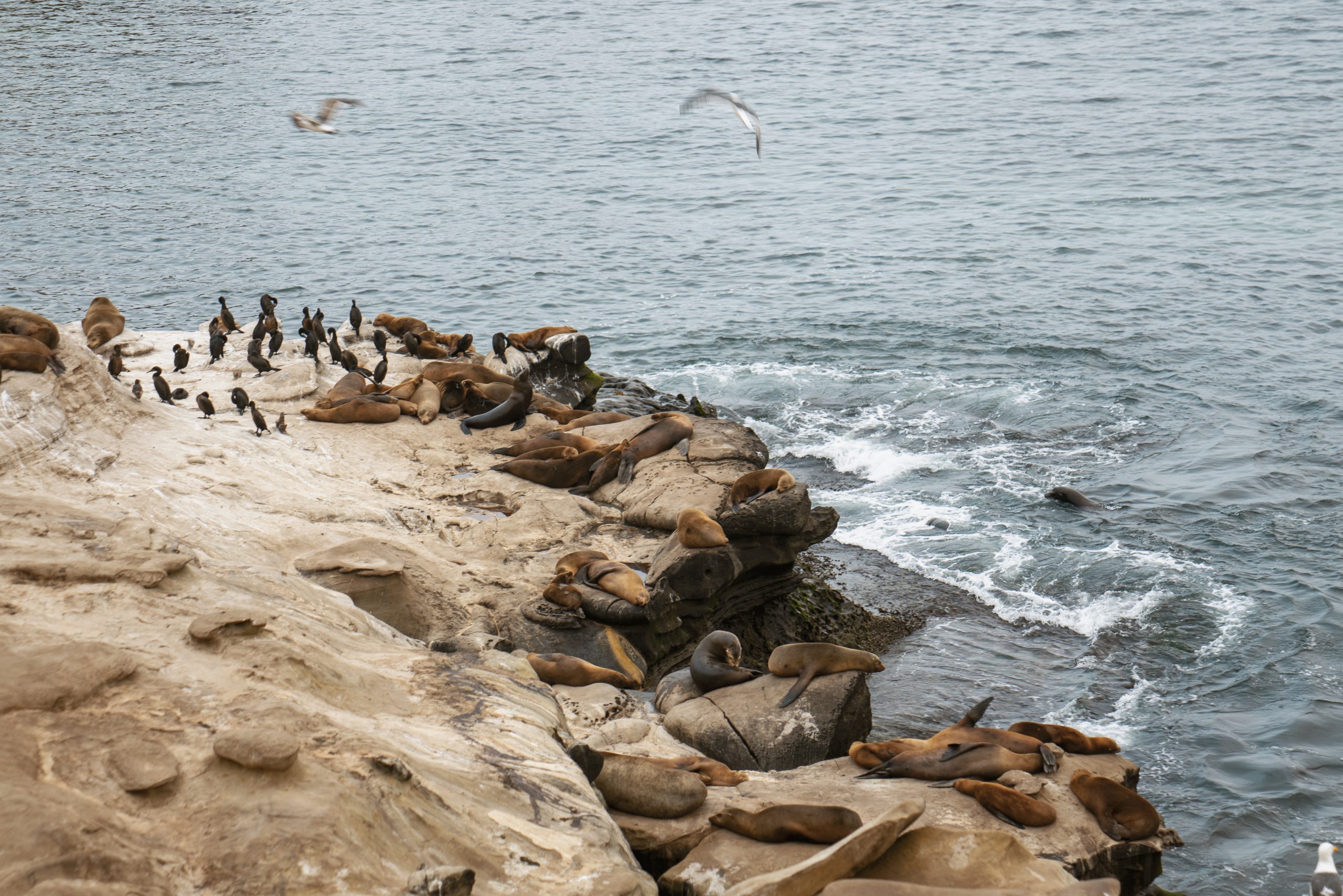
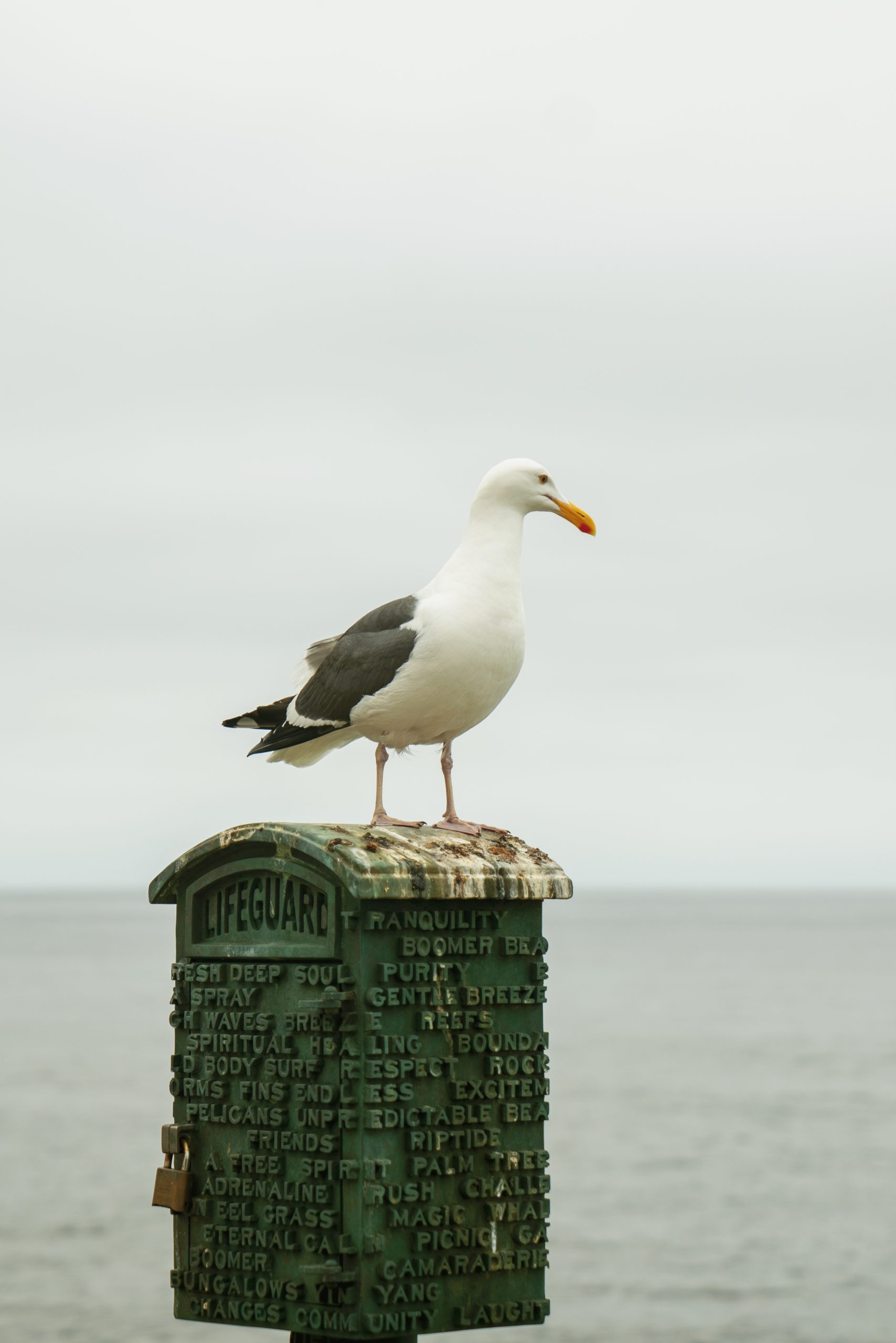
Driving down the west coast from Los Angeles towards San Diego, you can stop to admire the beautiful scenery at any time. At La Jolla Cove, the long stretch of rocks is an ideal resting place for seals and pelicans. We were thrilled to recognise the sea lions from afar by their signature “ủa, ủa, ủa”. I also spotted a sea lion swimming lazily, then rolling ashore to play on the sand. The area is protected, so visitors are not allowed to do water sports. When we arrived, many locals and tourists had gathered in the afternoon to watch the sea and share the wonderfully fresh, cool air. They strolled hand in hand or sat quietly on the sand. Children played. Although the weather was not ideal – cloudy, with strong winds whipping waves onto the shore – I felt at ease, being present in a quiet moment of my own.
Tuna Harbor Park
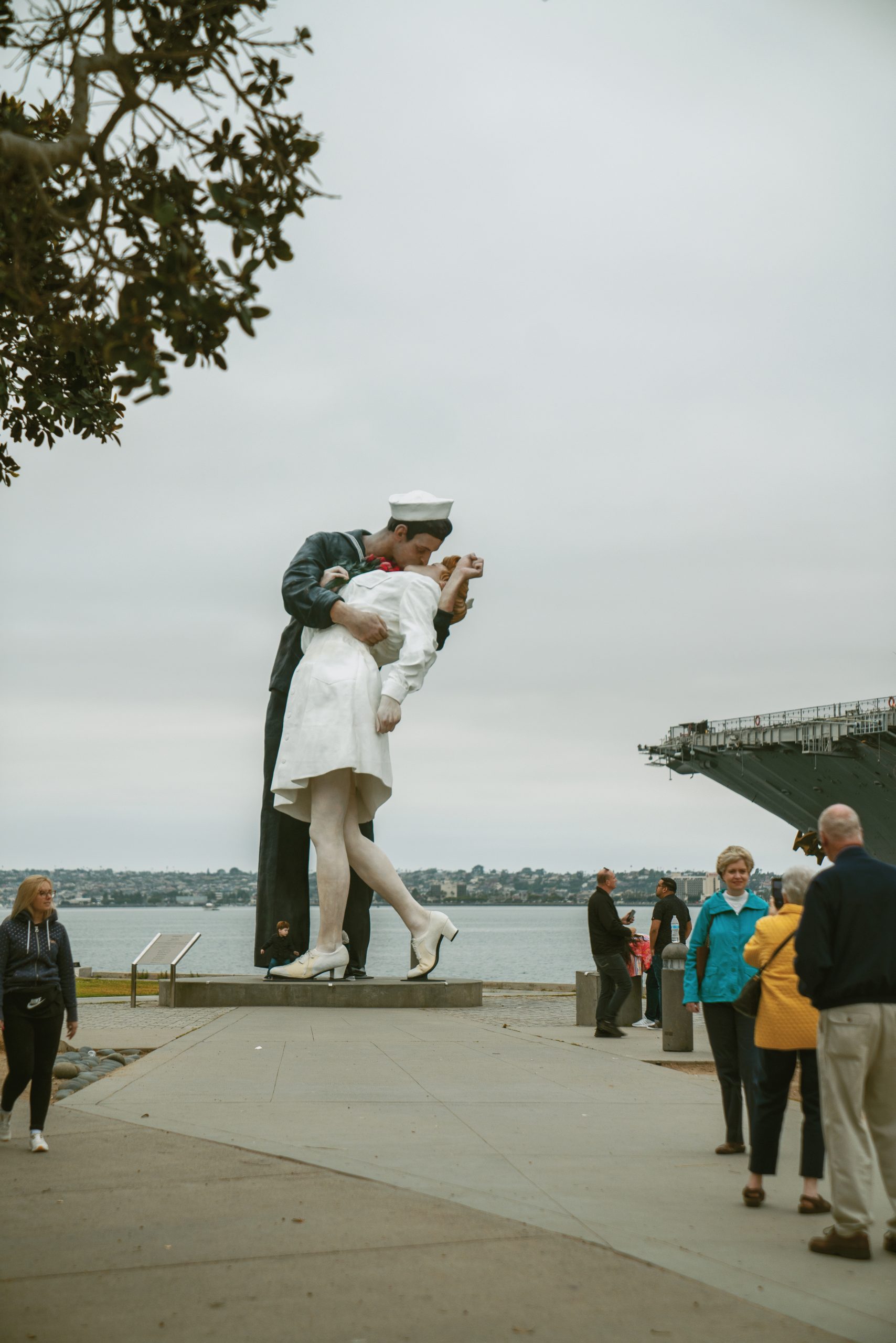
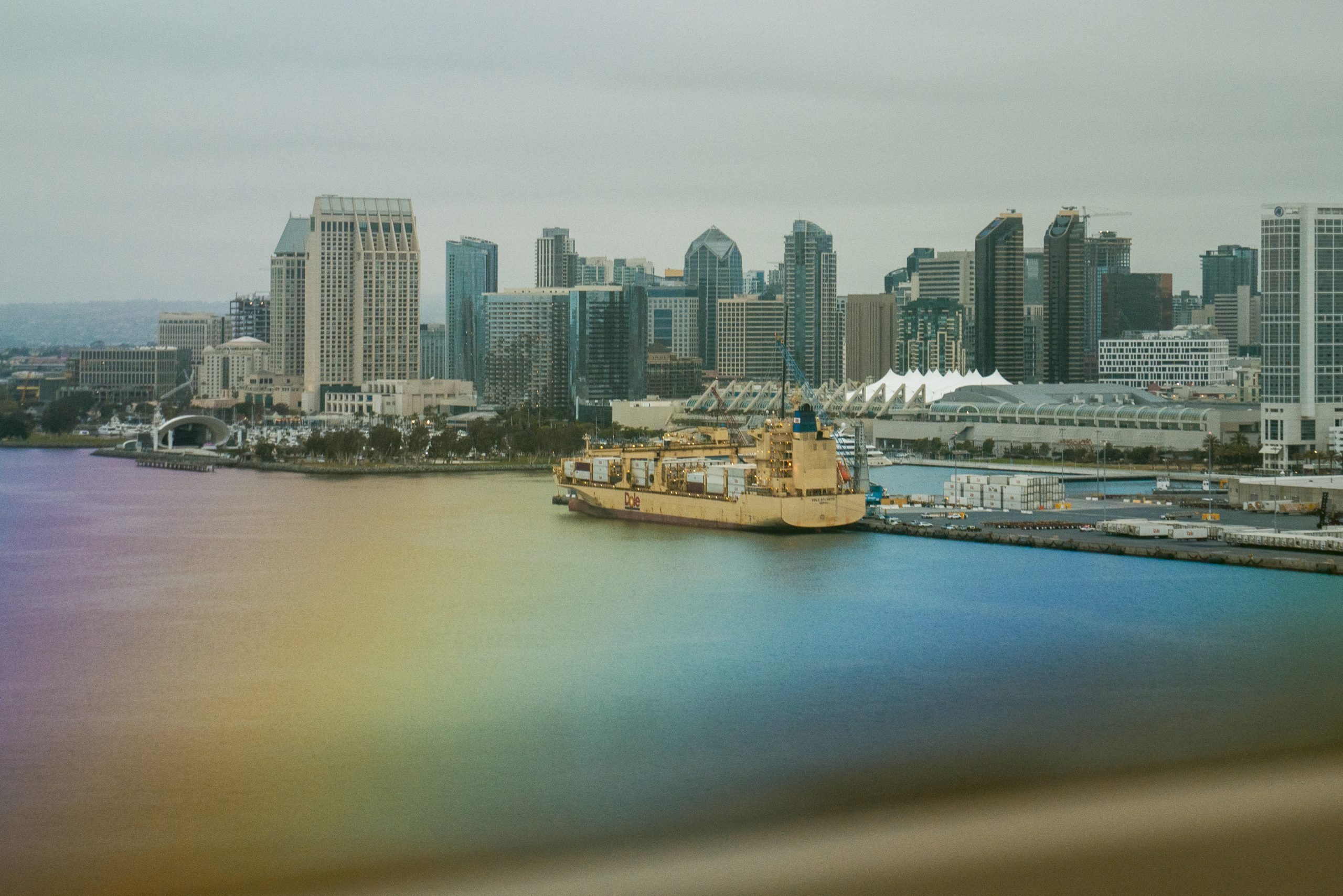
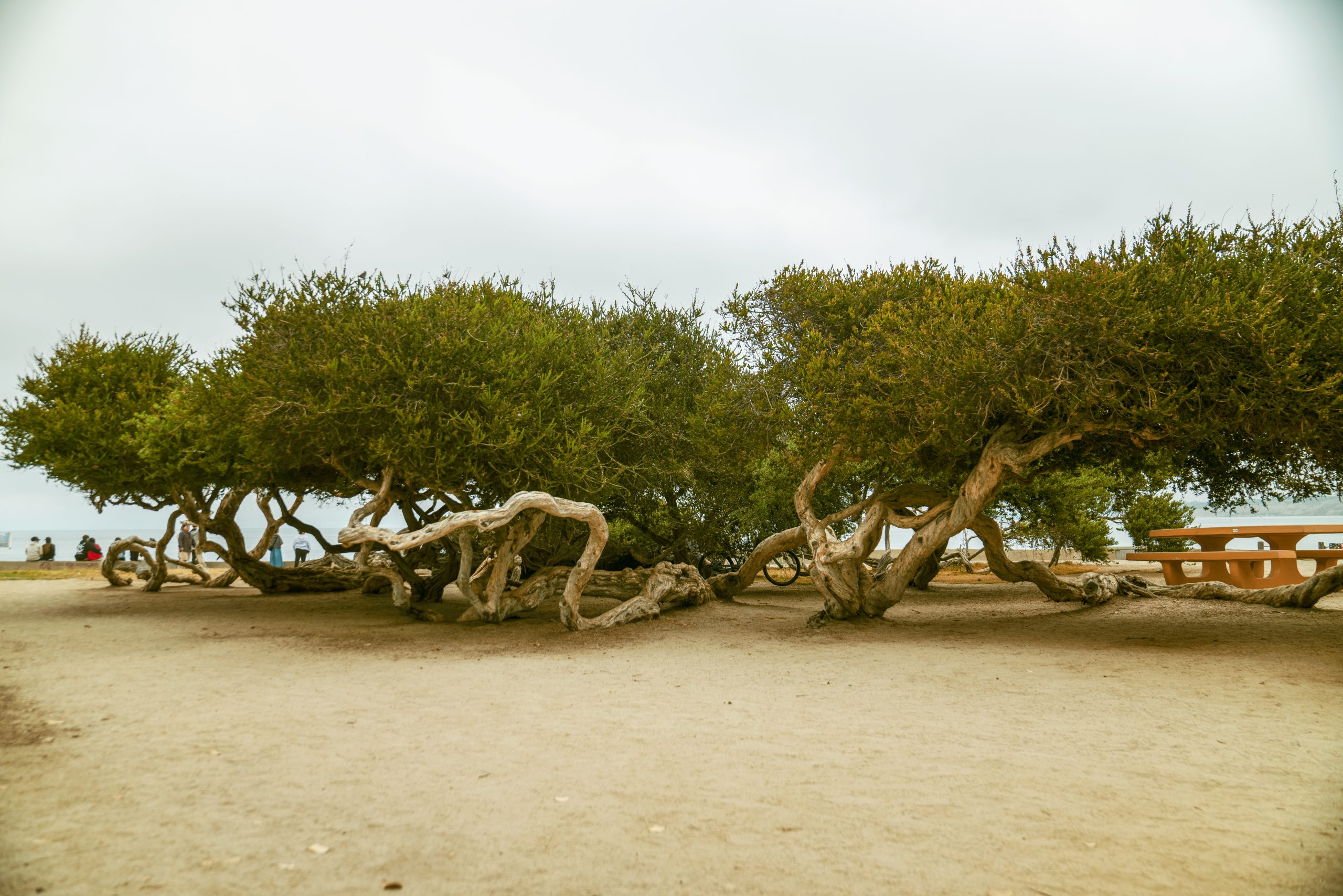
Once an important berth for the navy, the harbour still has a large military ship docked right there. On deck, there seemed to be a party for service members; people in sailor uniforms gathered to eat, drink and sing with their arms around each other. There are also many memorials and sculptures. One of them is Seward Johnson’s “Unconditional Surrender”, based on the famous kiss between a sailor and a young woman in Times Square after Japan’s surrender – surely deeply moving for anyone who has lived through separation. For a time, Tuna Harbor became a tuna port, a reminder of San Diego’s commercial fishing industry. Today the harbour is a park with lovely areas for walking, cycling, boating and relaxing. That day, on the windy harbour, our hearts were joyful, knowing that every road opens onto a vast sky.