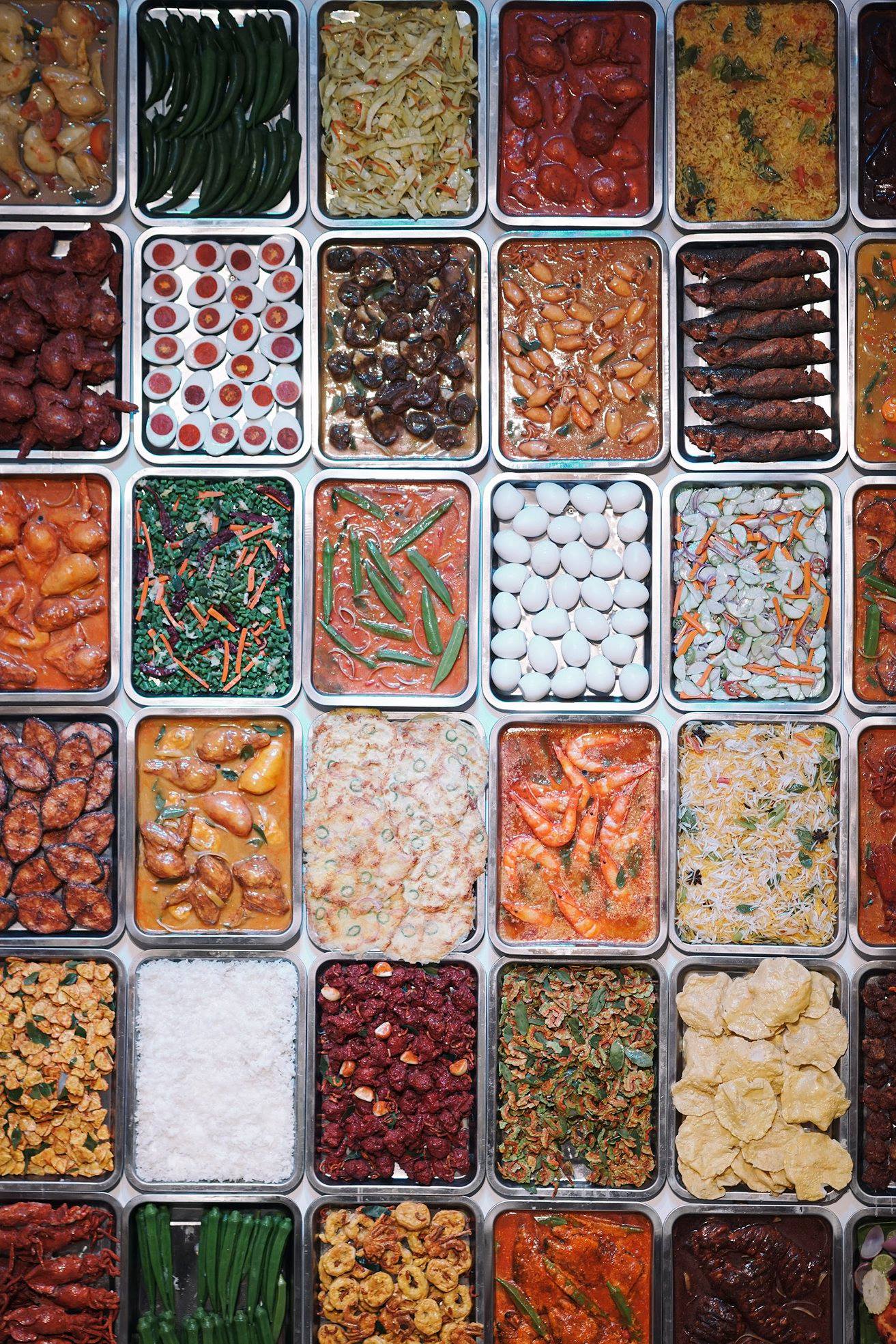
Local Culture Through the Lens of Cuisine
The world we live in is vast, filled with diversity in landscapes, people, languages, customs, and traditions. One of the most remarkable ways to understand the culture of a place is through its local cuisine. From simple street food to lavish feasts, food not only satisfies the palate but also carries stories that reflect the lifestyle, history, and soul of a community.
Food and Community
Interestingly, while brainstorming for this article, I was introduced to the book “The Story of Hoi An Food” by Nir Avieli. This is a profound study on the role of cuisine in the social life of Hội An, a famous town in central Vietnam. Using an ethnographic approach, the author explores how food not only reflects but also shapes social relationships, gender roles, religion, and cultural identity.
Avieli emphasizes that Hội An dishes are not merely food but cultural symbols, marked by historical traces and cultural exchanges from China, Japan, and France. He also highlights the important role of women in preparing and maintaining traditional values through food, analyzing how family meals reflect social structures and family relationships, and delving into feasts and festivals from weddings to religious rituals to illustrate how cuisine connects communities and expresses collective identity. He further discusses how tourism and globalization affect Hội An’s culinary scene, from changes in ingredients to cooking methods and presentation.

In the Introduction, he writes: “Breakfast in a small alley along the Hoi An river has never been a simple matter, as the choices and variety seem overwhelming…” This reminded me of the awkward situation around 2009 when I was living in Singapore. Each morning, stepping out onto the street, I deeply missed Vietnam’s breakfast stalls. While Vietnamese breakfasts are diverse and open very early, in Singapore, shops often open after 8 a.m., and the first and only image that comes to mind is a crisp, buttery Kaya toast with soft-boiled eggs and kopi or teh. It was my first time living in a foreign country and realizing that cuisine is a mirror reflecting a culture.
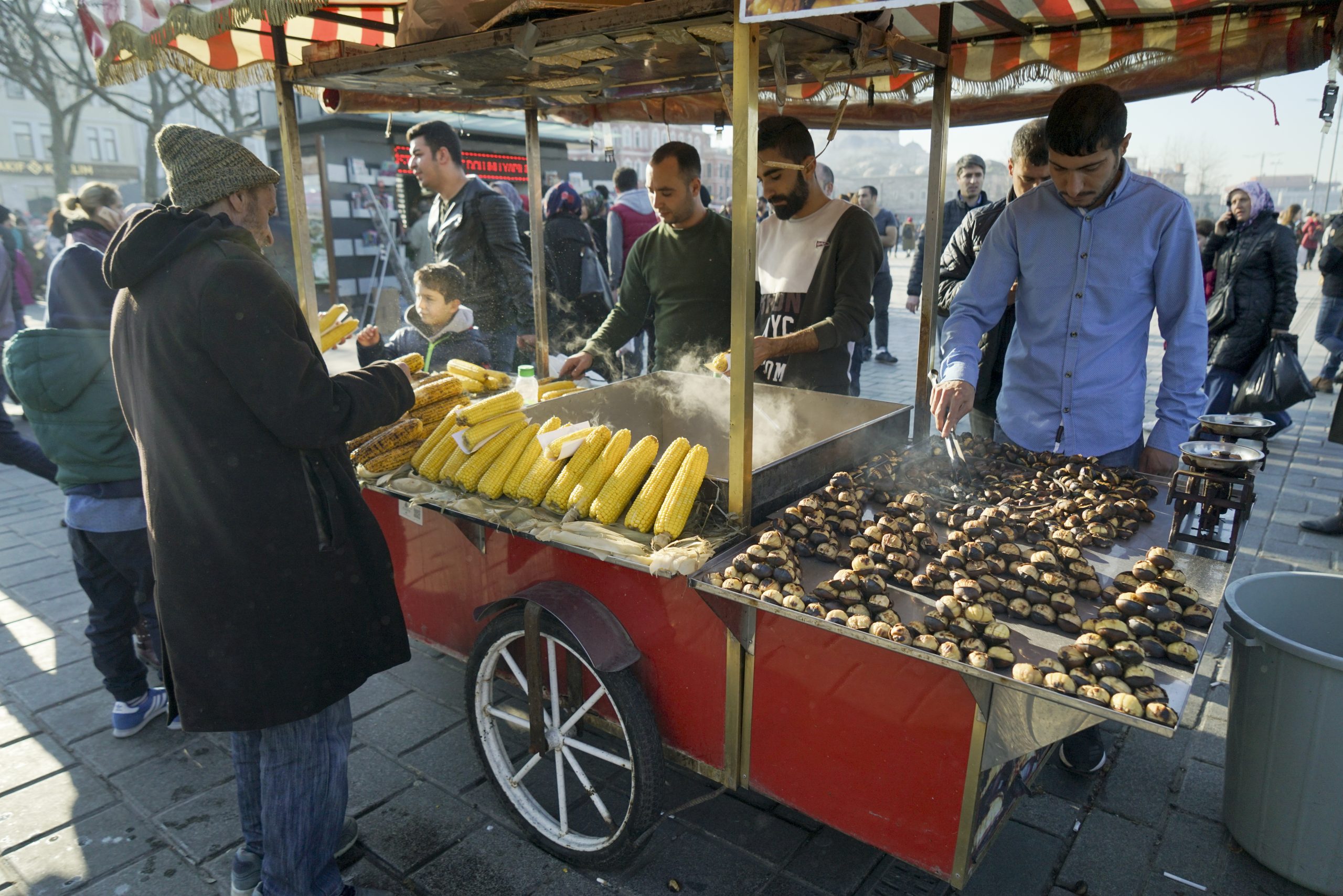
Since then, I have developed a passion for books and articles on food, and wherever I travel, I make it a point to visit local markets and taste dishes prepared by locals. For example, inspired by the vignettes in “Other Colors” by Turkish writer Orhan Pamuk, I became fascinated by street food carts in Istanbul and the atmosphere surrounding them. Pamuk wrote that in Istanbul, people eat fast food to escape the traditional Islamic association of food with mothers, grandmothers, and sacredness, seeking novelty and breathing in modern life. I felt naturally immersed in the city’s rhythm while queuing for a kebap sandwich, a pomegranate juice, or ice cream. In Huế, reading Phi Tân’s “Về Huế ăn cơm,” I not only enjoyed famous local dishes such as bún bò, bèo-nậm-lọc, cơm âm phủ, and cơm hến, but also explored rustic family meals like mushroom stew with bamboo shoots, anchovy soup, tamarind pork, and banana stem cooked with beef bones. While tasting the food, I observed the cook’s techniques, table arrangements, family routines, and listened to stories around the table to connect more deeply with Huế’s culture.
Indeed, enjoying local cuisine is more than eating; it is cultural exchange. Japanese cuisine like sushi, ramen, matcha is not just food but a reflection of lifestyle, respect for nature, and attention to balance. Italian cuisine like pizza and pasta is not merely fast food but embodies love for life, creativity, and regional pride. In a Bangkok street stall, tasting Pad Thai allows one to observe and feel the city’s bustling rhythm. Participating in a Chinese hotpot meal connects diners through lively conversation. In France, culinary culture is not only about taste but also about the art of living: selecting fresh ingredients, presenting food elegantly, and enjoying meals slowly demonstrate respect for life and aesthetic values.
Cuisine as a Bridge for International Travel
Today, culinary tourism has become a popular trend, allowing travelers to experience culture through food. Culinary tours, cooking classes, and local food festivals not only deepen understanding of culture but also enable direct interaction with locals. Festivals like Oktoberfest in Germany or La Tomatina in Spain allow tourists to enjoy food while immersing themselves in vibrant cultural activities.
In 2015, I worked for Withlocals, a Netherlands-based travel service, to assess local culinary tours in Thailand, taking a two-week business trip to Bangkok and Chiang Mai. At that time, Airbnb had yet to explore this potential, and tour companies were only beginning to connect tourists directly with locals. I was excited about this new experience, and it met my expectations. In Bangkok, I met two hosts named Som at The Yard Bangkok homestay. They invited us home for a homemade meal cooked by a housekeeper in her sixties. I learned how to make authentic Thai papaya salad and tom yum soup, discovering that palm sugar is essential for the flavor. In Chiang Mai, Aree took me to local markets, and at his home, we cooked red curry, spicy-sour coconut chicken soup, pad thai, and fried chicken cakes. Previously, I relied on packaged Thai spices, but with Aree’s guidance, I now confidently prepare curry and broth from fresh ingredients.
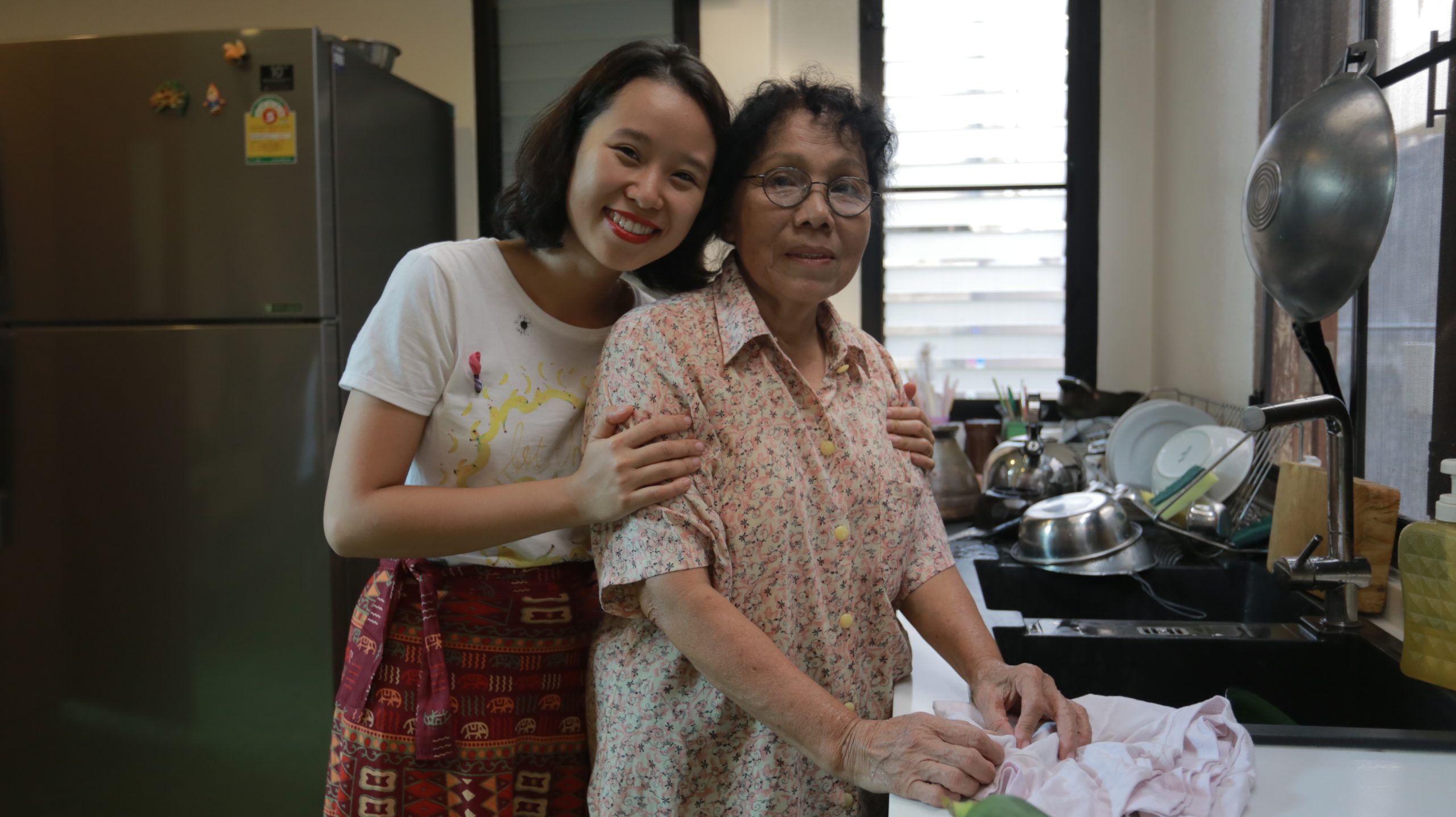
During this trip, I also met other Thais, and stepping into their homes and kitchens helped me understand modern Thai lifestyles and discover aspects of their emotions and thinking through their cooking, presentation, and eating habits. For instance, Thai families often use forks and spoons instead of chopsticks, a result of Western influence during modernization under Kings Rama IV and V in the 19th century. This utensil choice suits Thai dishes, designed for scooping, while chopsticks are still used for noodles, reflecting a flexible cultural fusion.
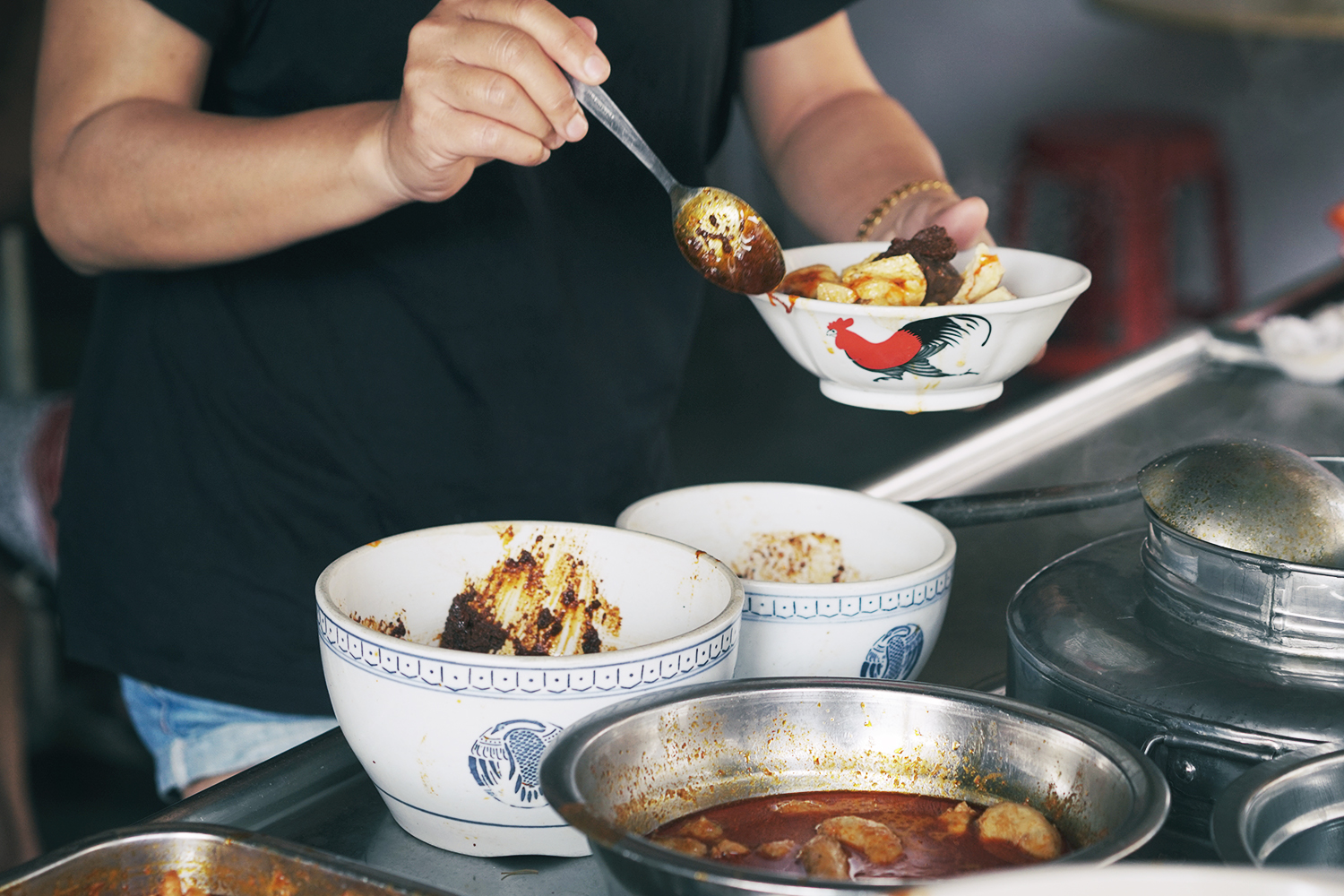
Another memorable culinary experience was in Penang, Malaysia. Wandering into a local market near George Town, I was amazed by the diversity of food. Having lived in Singapore, I was familiar with Malaysian cuisine but found it lacked appeal to my taste. Yet the market offered unfamiliar but delicious dishes: fried batter pieces served in paper for easy eating on the go; peanut egg tarts with crispy edges and soft centers; dry and soup-based hủ tíu with shredded duck, fish balls, herbs, and no additional vegetables; stir-fried hủ tíu with bean sprouts, chili, dried fish, and sambal; sticky rice with dried fish, nuts, mushrooms, pork, egg, and sambal; and tofu pudding with soy milk sweetened with palm sugar. Locals gathered in small family groups, chatting and laughing, creating a vibrant atmosphere. Ingredients, flavors, preparation, and presentation revealed cultural exchanges among Chinese, Indian, and Malaysian communities.
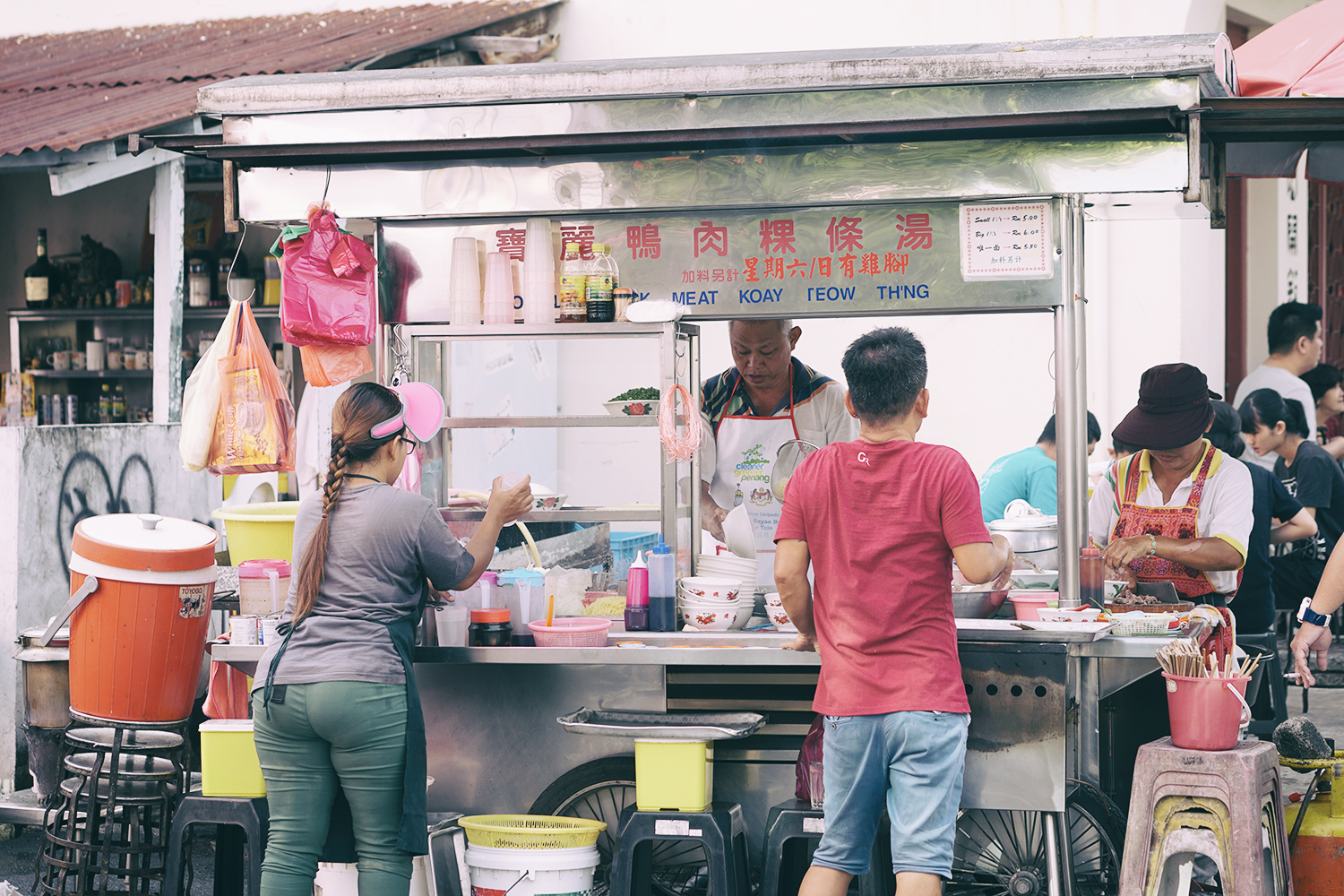
Penang also preserves Peranakan cuisine, a mix of Chinese settlers and Malay locals, producing dishes with complex flavors balancing spicy, sour, sweet, and salty tastes. Meals are intricately prepared, reflecting family unity and refinement. I visited Kebaya restaurant, trying fish curry, raw crab salad with seaweed, lamb stew with cinnamon, star anise, soy sauce, and sweet rice dumplings filled with palm sugar and butter. French cooking techniques add creativity and sophistication, showing the evolving and globally influenced Peranakan cuisine.
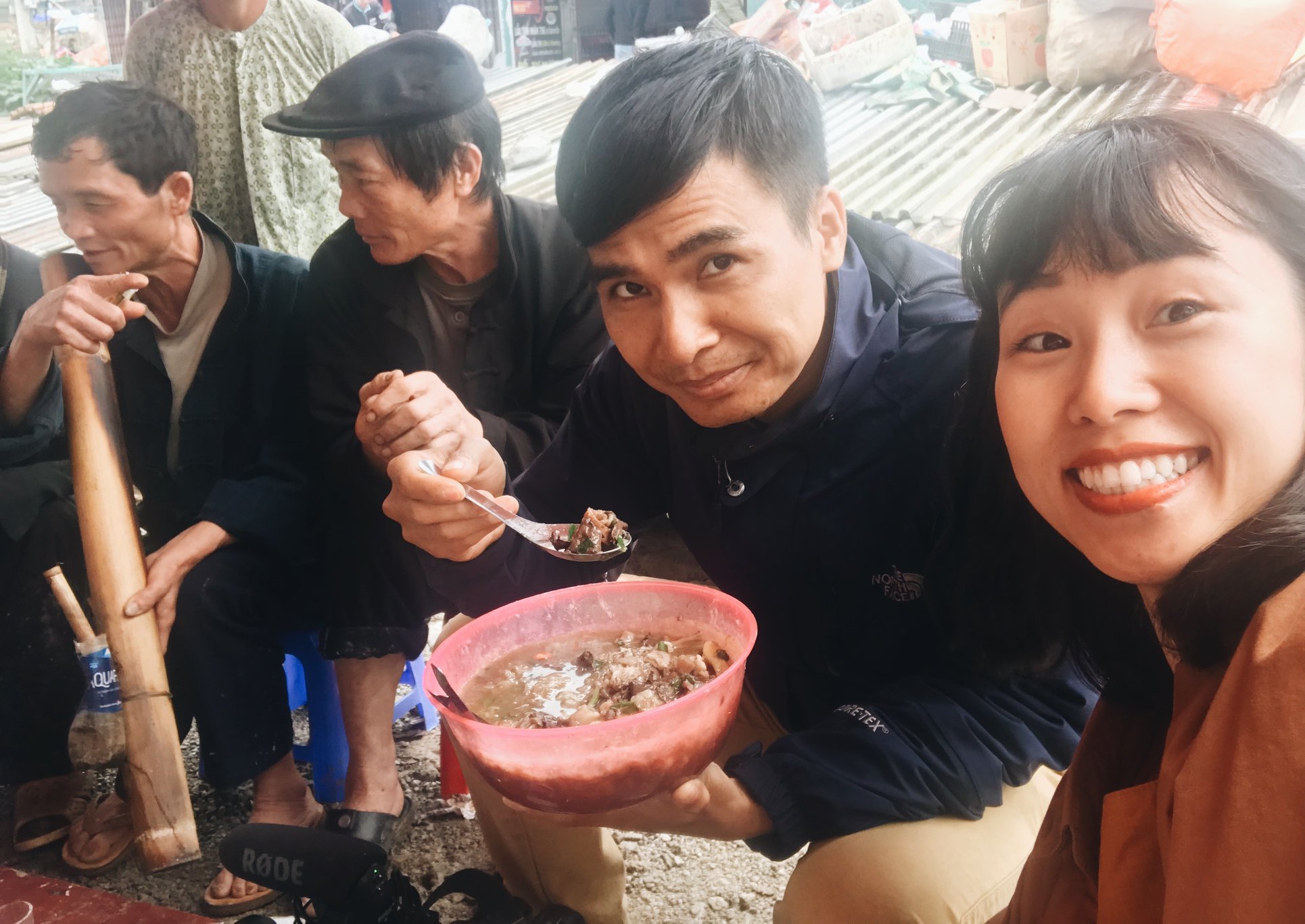
Countless other local culinary experiences could be recounted from tasting ethnic minority dishes in Đồng Văn’s chilly morning market to luxurious meals at Dubai’s Burj Al Arab, and fine dining at a Michelin-starred restaurant in Seoul. Traveling widely enriches past experiences, while past experiences provide a foundation for new discoveries. Among all travel experiences, tasting local cuisine is the gateway to understanding a place’s culture. Food is a bridge between our soul and the world.
Originally published in Travellive Magazine