
Lyon Nguyễn – Dance for Everyone
Lyon Nguyễn is a choreographer, movement artist and visual artist. He founded Thân Nghiệm, a club where people can dance together regardless of age, body shape or health. Recently, Lyon and his collaborators ran a dance workshop for deaf people.
Thân Nghiệm – the body’s experience
Lyon Nguyễn earned a Bachelor of Fine Arts at Sam Houston State University (USA), did his postgraduate studies and taught dance composition and dance theory at the University of Utah (USA), and worked in the Contemporary Dance department of the Hồ Chí Minh City Dance School. He now teaches Contact Improvisation, contemporary dance technique, adult ballet and creative movement in Hồ Chí Minh City.
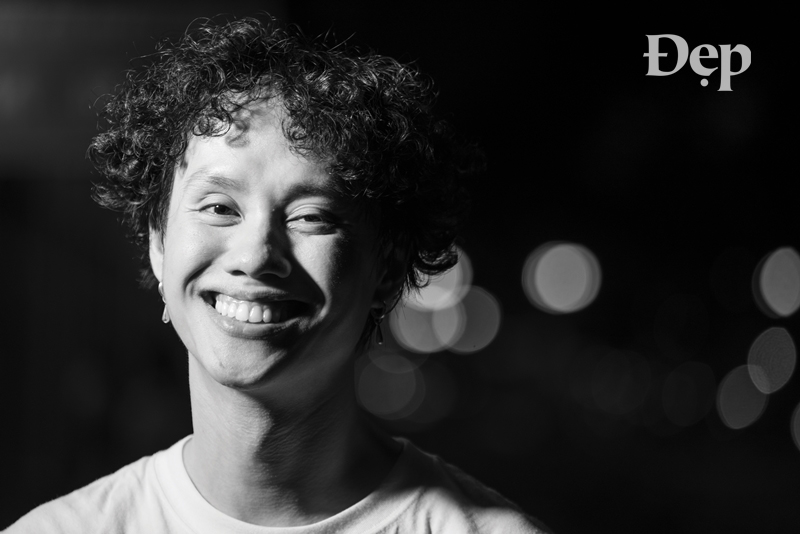
He shares: “When I first went to the US to study communications, I felt very lonely. Luckily, dance classes brought me joy. Every time I walked into a room where twenty people were dancing together with me, I was so happy. In my first semester I signed up for one dance class. In the second, two classes; the next, three… My teacher advised me to switch schools and study dance. I was completely lost: starting dance at twenty, how could I be as good as those who had trained since childhood? With her encouragement I decided to try, and who I am today is proof that you can pursue dance at any time.
When I came back to Vietnam, I was sad that the dance knowledge I had been trained in in the US was not yet widely known here. But precisely because of that, I felt my role as an educator rise and my role as an artist step back. Sharing knowledge with dance lovers, teaching people who have never danced before, and seeing them rejoice in every movement, I remember myself at twenty when I first fell for this art.”
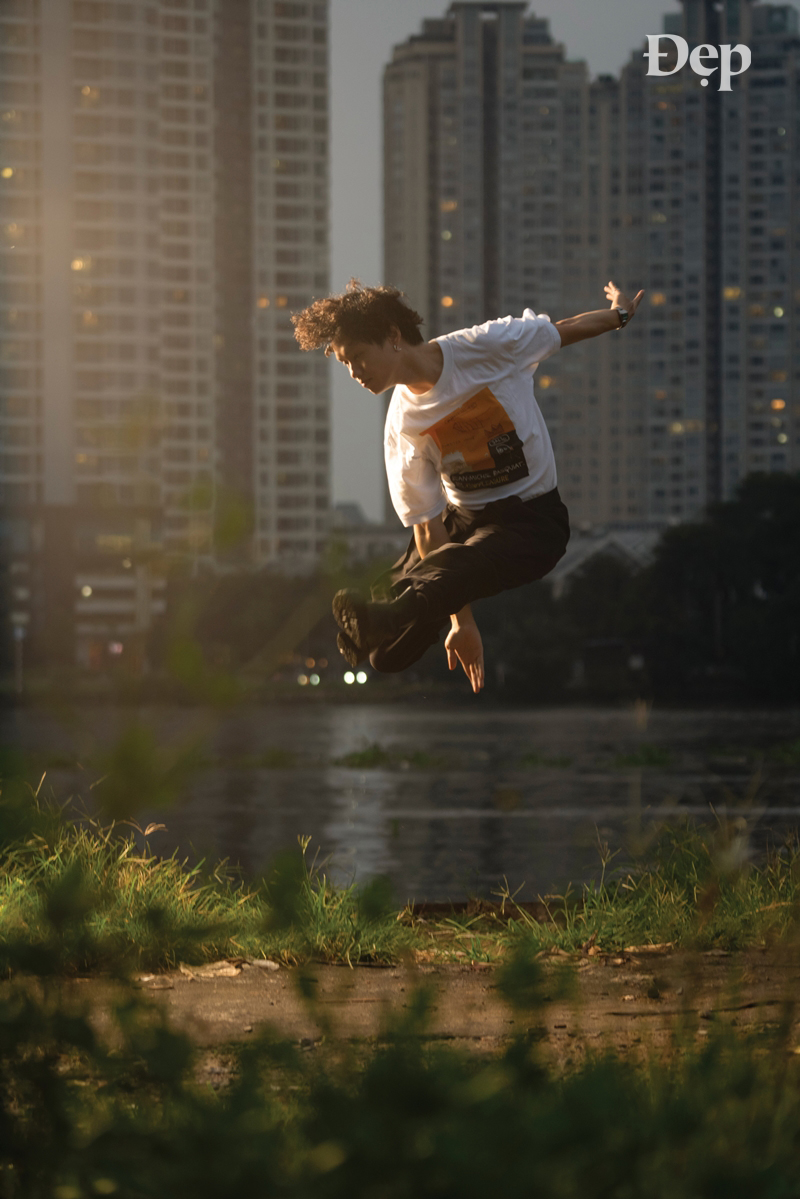
Dance teaching can be roughly divided into two schools: teaching movements and teaching embodied feeling. Lyon named his club Thân Nghiệm, meaning bodily movement that springs from imagination. For example, you imagine you are a jellyfish, and however a jellyfish moves, you move that way.
A dance class for deaf people
“Deaf people feel music through the vibration of sound waves. Usually I have to use words so people can understand a movement. But when teaching dance to deaf people, I only need to move, and they watch and follow. Everything happens very naturally,” Lyon says.
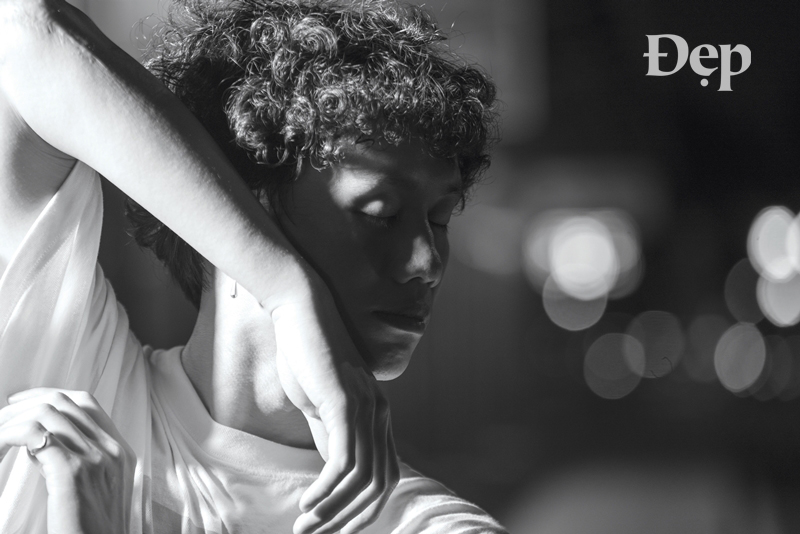
At the opening ceremony of the 2012 Olympics, the world enjoyed a performance by percussionist Evelyn Glennie. Profoundly deaf, she often plays barefoot so she can be in as much physical contact with her surroundings as possible and feel the vibrations of sound. In the documentary “Human: The World Within”, Mandy Harvey, an American jazz and pop singer-songwriter who lost her hearing after an illness at eighteen, tells a deeply moving story of her journey with music. To feel music through vibrations, she trained using many methods. Asked whether she felt deprived because she could not hear her own voice, Mandy replied that she feels wonderful being able to experience music in a special way. With effort, love and faith, there will be more than one Evelyn Glennie and one Mandy Harvey in the world. In the deaf community, there are people who long to become stage actors, film actors or professional dancers.
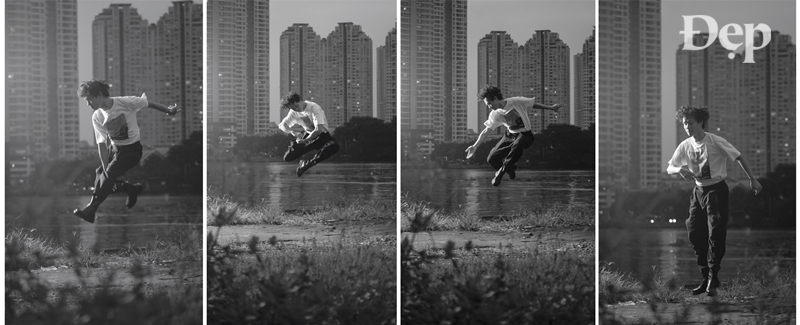
Lyon is working with Saigon Theatreland to find support for holding dance classes for deaf people more regularly, aiming to teach embodied dance so people can experience emotion fully and giving deaf people the chance to learn and pursue dance. In addition, the activities Lyon and his collaborators organise focus on creative education, starting with loving and learning about the history of dance.
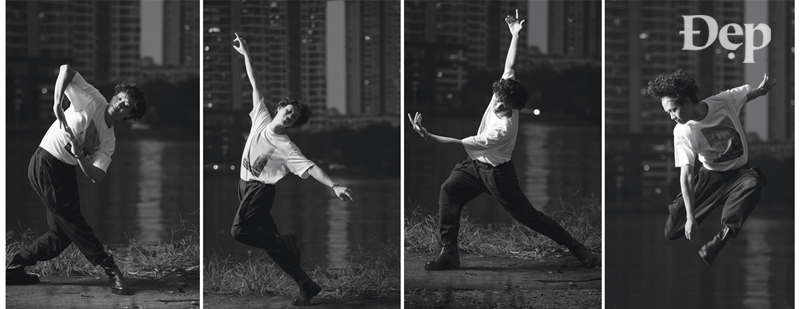
Art is a kindness
The people who come to Thân Nghiệm are diverse in age, occupation, body shape and physical condition. For Lyon, dance has no limits. At Thân Nghiệm, it is common to see students dancing alongside middle-aged men and women. With older people especially, Lyon often teaches embodied dance so they can release their emotions and feel at ease in every movement.
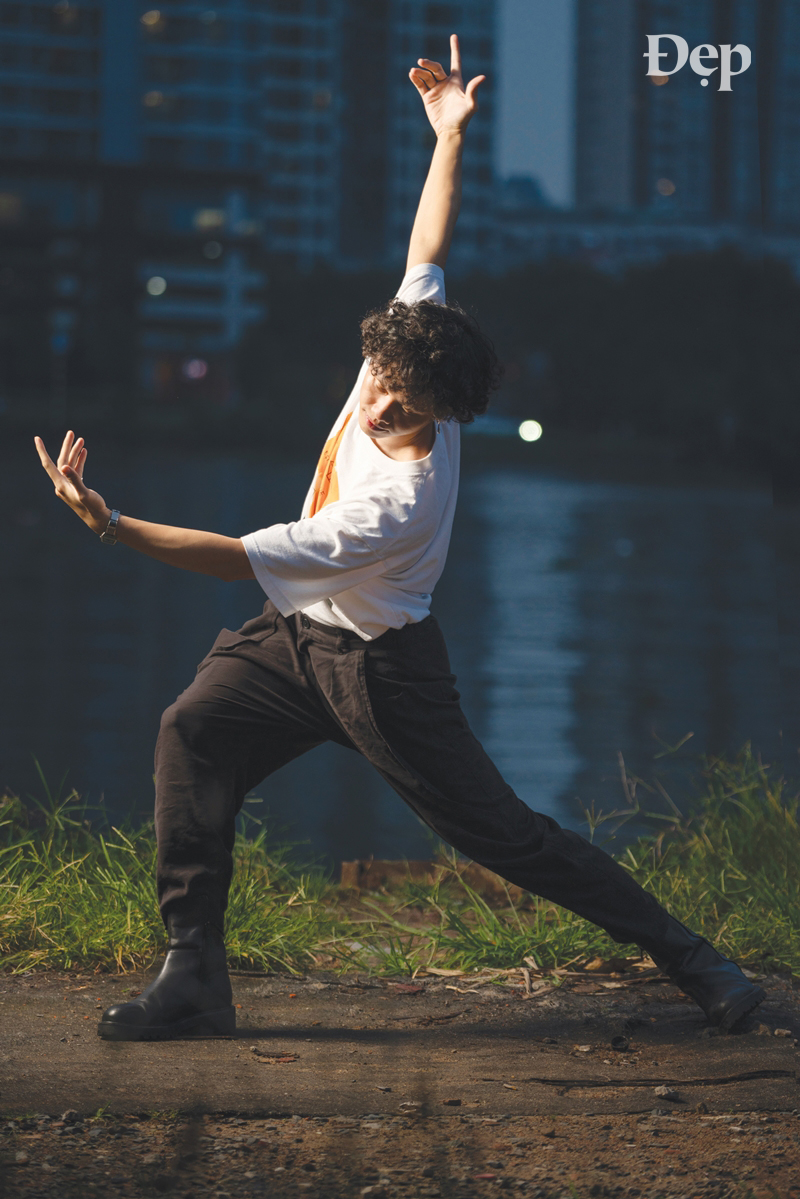
Lyon says that at the dance school he attended in the US, there were round-bodied students and even a hunchbacked teacher in his sixties. Everyone, old and young, whatever their appearance, danced together. Dance is not only a performing art but also an activity that strengthens community bonds. No one decrees that a dancer must be young, cool or sexy. “Can a sixty-year-old dance with me? Why not?” – he concludes with a rhetorical question.
Art is, by nature, a kindness. Would you agree with me that art in general, and dance in particular, is all the kinder when it is for everyone?
Mark Twain is often quoted as saying: “Kindness is the language which the deaf can hear and the blind can see.” It means that goodness and kindness are universal values that can cross every barrier of language and body. Step into a dance class for deaf people or a health class for highland women, talk with an artist or a social activist, and you can easily understand this saying both literally and figuratively. What these people share is an open, compassionate heart and projects that reach out to future generations.


