Travel Blogger Tâm Bùi: Walking on Peaceful Ground
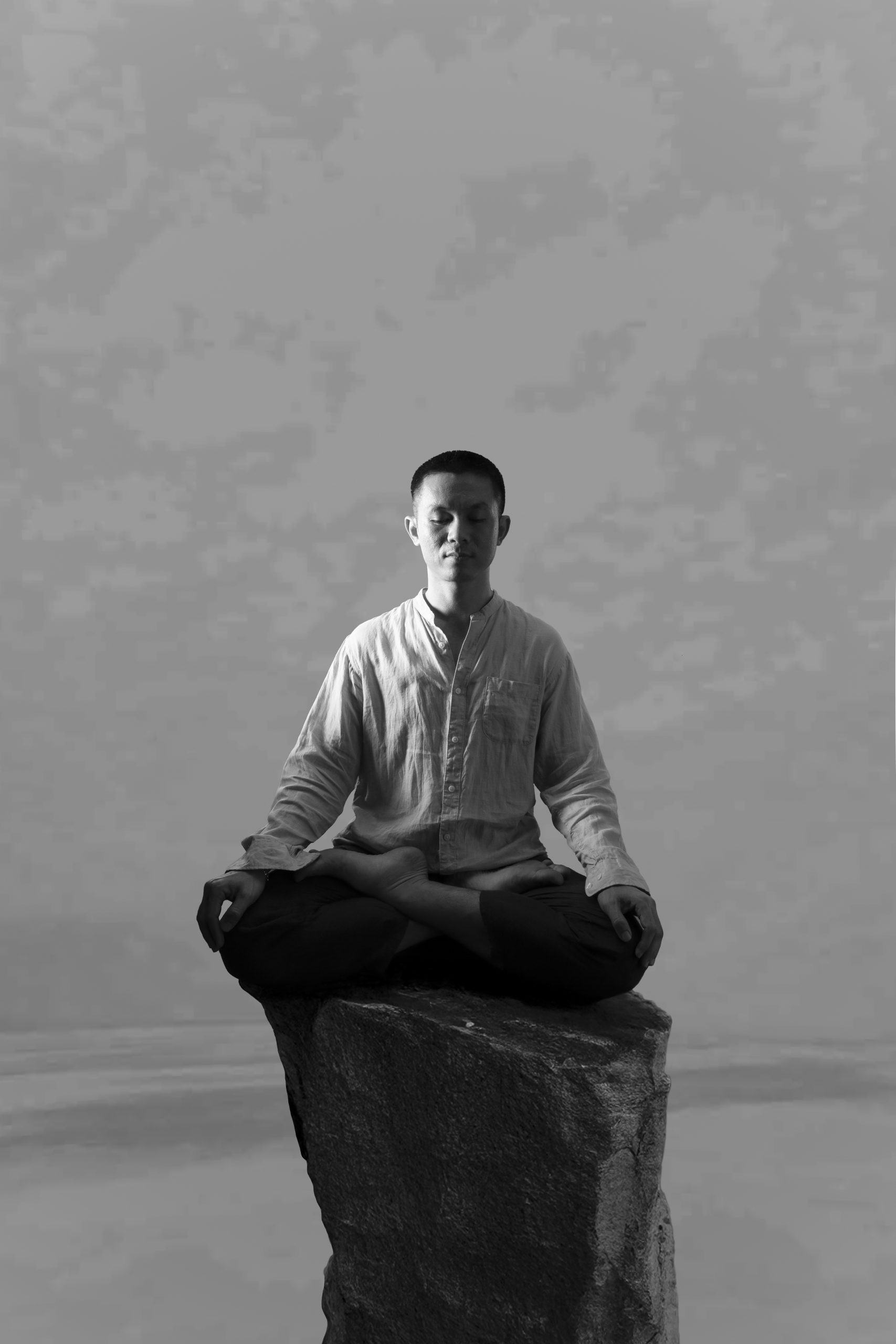
For Tâm Bùi, a photographer and content creator known for his travel diaries and mindful living, “đất lành” (peaceful ground) is not simply a place on the map. It is an inner state. He believes that wandering through many lands is essential to expanding one’s worldview, yet learning to pause is equally important. What truly matters is not how far you go, but whether you can carry stillness within every step.

When the Mind Is at Peace, the Ground Becomes Peaceful
I have known Tâm for more than ten years. I’ve always admired him and followed each of his journeys. What fascinates me most is his inner serenity. He remains calm and anchored, untouched by external turbulence, no matter the situation. When we sit with friends, both of us tend to be quiet. Our conversations come in fragments – unfinished yet somehow always connected. The content may not be new, but I enjoy how he keeps finding fresh insights within familiar topics, digging deeper into the essence of things. Perhaps that is why whenever I think of Tâm Bùi, I think of the words “đất lành.”
He reflects on how, long before us, our ancestors distinguished between peaceful ground and chaotic ground. There are places where you immediately feel peace upon arrival, and others where misfortune seems to find those who live there. These observations passed through generations, distilled into the saying “đất lành chim đậu” (on healing land, birds perch). For example, when people visit temples or monasteries, their minds often settle naturally. It may be the presence of sacred energy, or the collective spirit of monks whose compassion radiates outward and soothes those who come. But Tâm believes that “lành” is not merely a quality of the land. It is a state of consciousness. A deeply peaceful person can harmonize the energy around them, even transforming a troubled place into a gentle one.
On a recent trip to Bhutan, he felt a profound sense of purity in the air, the scenery, the people, the culture, and even the food. Bhutan lies in the Himalayas, where steep mountains both challenge daily life and preserve the land’s untouched, sacred stillness. What moved him most was the compassion and mindful ethics of the Bhutanese people. Most locals eat vegetarian; there are no slaughterhouses in the entire country. Meat, when needed, is imported from neighboring India. The absence of killing reflects a philosophy of respecting all living beings. Homes follow the same architectural style, blending quietly into nature. There are no billboards on the streets, and shopping is not encouraged; the Bhutanese believe materialism cannot bring happiness.
Their cuisine reflects the same spirit: simple, organic, nourishing. When he tasted the food, he sensed not only the purity of the ingredients but also the gratitude in how they cherished each meal. The Bhutanese live very wholesomely. They honor plants, animals, and the environment. Even stray dogs or cats wandering on the streets are treated with kindness and protected. Where many people choose to live with compassion, the land becomes a testament to a simple but powerful truth: when the mind is peaceful, the land becomes peaceful too.
Returning Home, Returning Inward
During a visit to Tibet, Tâm witnessed vultures feeding on a human body. The scene led him to practice “Asubha Bhāvanā,” a Buddhist meditation on the impermanence of the body. In that moment, he recognized that our physical form is merely a vehicle for experience; when its purpose is fulfilled, we can let it go. He also recalls crying uncontrollably when seeing a photograph of a friend who had chosen to ordain. His tears held both nostalgia for the past and joy that his friend had found a path worthy of leaving everything behind. Each journey taught him something and helped him strengthen his inner world.

Over time, he realized that traveling more could not answer life’s bigger questions: “What is true happiness?” and “How do we live a meaningful life?” Travel did not always make him happier; at times, it made him more restless. So he learned to pause. From someone who always wanted to keep moving, he practiced staying still, listening inward, observing his emotions, and becoming comfortable with solitude. From that stillness came the answers he once sought elsewhere.
In his book “Cá Hồi” (Salmon), Tâm uses the metaphor of salmon, born upstream, venturing into the vast ocean, then returning to where they began, to describe his own journey. After years of exploring the world, he returned to his inner self, seeking understanding and healing. To him, returning is not only “hồi hương,” a coming home to strengthen body and spirit, but also “hồi hướng,” a turning outward to serve others and make life better. Everyone, at some point, needs to return in order to restore balance and peace.

Today, if he had to choose a place to call his personal peaceful ground, he says it would be his home. His work keeps him traveling, but he always longs for that small house, for his two affectionate cats, his workspace, his room, and especially the quiet corner of the bed where he falls asleep peacefully each night. In his calm voice, bright with joy, I can sense how deeply content he feels returning to his own peaceful ground.
Crafting Peace
Lately, Tâm wakes every day with gratitude for his work, his friends, his family, his home, his health, and the clarity that allows him to grow. Looking back, he realizes he already has many conditions for happiness. These, too, are peaceful grounds he is blessed with each day. “Sometimes,” he says, “we forget these blessings because we chase too much or work beyond our limits. When expectations fail, we feel unhappy and inadequate. The more we grasp, the more incomplete we feel.” So he practices reminding himself of what he already has. Compared to many people, these conditions are precious gifts. When he recognizes this, inner peace arises naturally, making life softer, lighter, and more meaningful.
He believes that when each of us finds peace within, we can organically share it with others. If we crafting peace every day, that energy radiates outward on its own, like a candle glowing quietly. Those around us benefit from its light even when the candle puts in no effort.

His use of the word “chế tác,” which means to craft or to cultivate, for an inner state is beautiful. Crafting something requires effective methods such as mindfulness practice, spiritual discipline, or religious guidance. Daily life also offers countless ways to craft peace, including thinking kindly of others, offering encouragement, helping someone feel hopeful, sharing what we have, and easing another person’s burden.
His reflections remind me that instead of searching endlessly for a peaceful land, we might pause and look at the land beneath our feet. How has it been tended? What seeds have been planted? What goodness could still be nurtured? Perhaps the place we stand on is already “đất lành,” if we choose to stay and cultivate it. And perhaps, by living with kindness, each of us becomes a peaceful land for someone else to rest in. The world grows gentler when each person chooses to live as a “mảnh đất lành.”
FEATURE: NURTURING GOODNESS
Somewhere inside each of us is a “seed of goodness.” To nurture it is to cultivate gentleness through patience, faith, and love: a heartfelt home-cooked meal, a look free of judgment, a timely word of encouragement, or the quiet space for someone to simply be themselves.
“Nurturing Goodness” tells the story of a chef who cooks not only to nourish the body but also to care for the spirit; a son who grew up with little yet chose love and the hope of building a joyful family; a young man wandering far and wide only to learn that “good soil” has always been within his own heart.
And perhaps, as you walk through his story, you may recognize that you too are nurturing something gentle inside yourself, for your loved ones or for the world, even if you must wait a very long time before the season of harvest arrives.
Originally published in Đẹp Magazine, Issue 298
Words: Lê Ngọc
Photography: Ngọc Ánh
Stylish: Võ Đoan Trang
Production Assistants: Viết Hương, Chung Min